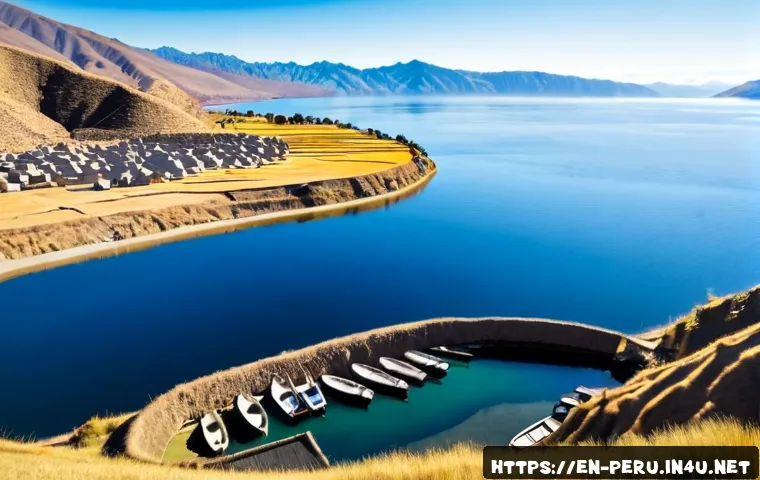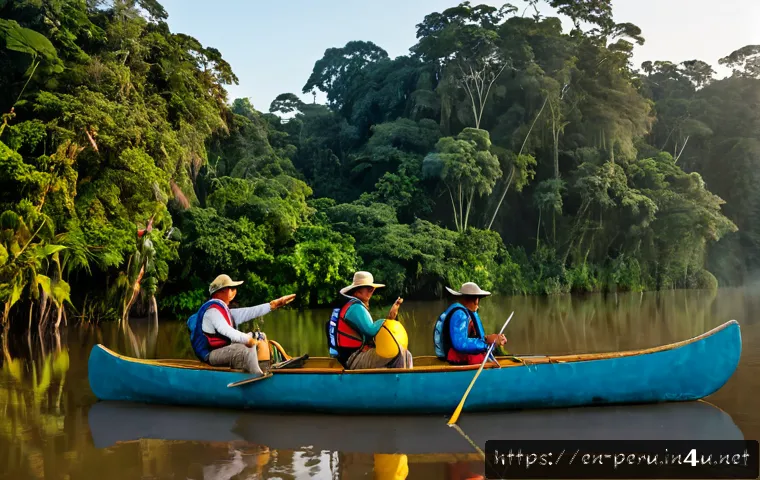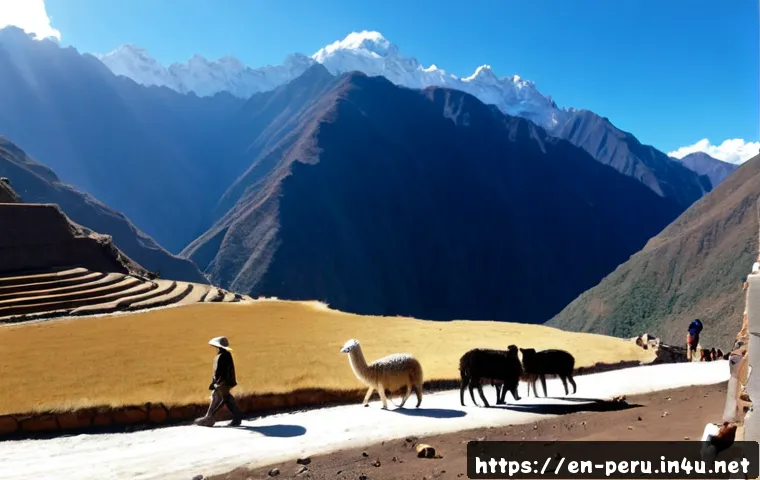
Peru does not have one “best season” because the coast, Andes, and Amazon follow very different weather patterns. For sunny coastal travel, roughly December to March is usually the strongest fit; for highland trekking, the generally drier period from about May to September is often easier to plan around.
The Amazon stays warm and humid throughout the year, so river levels, trail conditions, and the kind of wildlife excursion matter as much as the forecast.
A multi-region itinerary needs separate clothing and booking decisions for Lima, Cusco, Machu Picchu, and rainforest areas. Comparing guided tours, flexible fares, accommodation location, and travel insurance terms can be practical when weather-related disruptions are a concern.
Check short-term conditions close to departure, especially for high-altitude routes and rainforest activities.
At a Glance
- Beach-focused trips: Lima and much of the Pacific coast are typically warmest and sunniest from roughly December to March.
- Trekking-focused trips: Much of the Andes is generally drier from about May to September, although high elevations can still bring cold nights.
- Rainforest-focused trips: The Amazon is warm and humid year-round; compare river, trail, and excursion conditions rather than relying on a single seasonal label.
| Region | Seasonal Planning Window | Main Trade-Off | Packing Focus | Suitable Travel Style |
|---|---|---|---|---|
| Pacific Coast | Roughly December to March for warmer, sunnier conditions | Cooler coastal winter can bring overcast skies and garúa mist | Light layers, sun protection, and an extra layer for cooler periods | City stays, coastal sightseeing, beach-focused itineraries |
| Andes Highlands | About May to September for generally drier conditions | Sunny days can be followed by very cold nights at high elevation | Warm layers, rain protection, sun protection, and sturdy walking gear | Guided trekking, Cusco stays, Machu Picchu visits |
| Amazon Rainforest | Warm and humid year-round | Rainfall can affect river levels, trails, and wildlife excursions | Light breathable clothing, rain protection, and quick-drying items | Rainforest lodge stays and guided nature excursions |
Peru’s Weather at a Glance: One Country, Three Very Different Climate Zones
Quick answer for coast, Andes, and Amazon travel
Peru is easiest to plan when you treat it as three separate climate zones: the Pacific coast, the Andes highlands, and the Amazon rainforest. Travelers prioritizing sun along the coast often look at the period from roughly December through March. Those planning Cusco, Machu Picchu, or high-altitude hikes commonly favor the generally drier conditions from about May through September. For the Amazon, the right choice depends less on finding a “dry” month and more on matching a rainforest lodge or guided excursion with expected river and trail conditions.
Why month-by-month advice can be misleading without a regional plan
A calendar alone does not explain Peru’s weather. Lima can be cool and misty while Cusco has a clear day and a cold evening, and Amazon conditions can be humid regardless of the month. Altitude, microclimate, and exact location can change the experience even within the same travel period. Build the route first, then compare seasonal conditions for every stop.
Coast vs. Andes vs. Amazon: Seasonal Comparison for Trip Planning
Pacific coast: sunshine, summer heat, and winter garúa
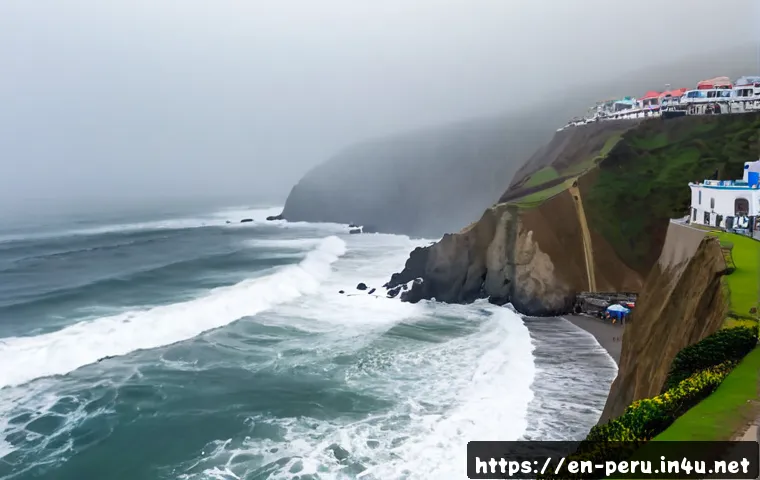
Lima and much of the coast are typically warmest and sunniest from roughly December to March. During the coastal winter, cooler temperatures, overcast skies, and the local mist known as garúa are common, particularly around Lima. This does not make the coast unsuitable for travel, but it does change expectations for beach time, city views, and what to pack.
Andes: dry-season trekking conditions and wet-season trade-offs
In much of the Andes, the drier period generally runs from about May to September, while wetter conditions are more common from roughly November to March. For Cusco, Machu Picchu, and trekking areas, the dry season can bring sunny days but also cold nights caused by high elevation. During wetter periods, a flexible plan can be useful because short-term weather may affect walking conditions and transport arrangements.
Amazon: humidity, rainfall, river levels, and excursion conditions
The Amazon remains warm and humid year-round. Rainfall patterns can affect river levels, trail conditions, and the format of wildlife excursions. Instead of choosing a rainforest trip based only on a general weather label, ask how the lodge or tour operator adapts activities to current conditions. A river-based outing and a trail-focused excursion may not offer the same experience at the same time.
Comparison table: weather, crowds, activities, and booking considerations
For a coast-and-highlands route, the key decision is usually whether you value coastal sunshine or generally drier trekking conditions more. For an itinerary including the Amazon, add a third decision: whether the available excursions match your interests under current river and trail conditions. Accommodation location, tour inclusions, and transport logistics can matter as much as the season itself.
Choosing Travel Dates by Activity and Budget
Best timing for Machu Picchu, Cusco, and high-altitude hikes
If your priority is highland walking or a guided trek, the generally drier period from May to September is a logical starting point. It is still important to prepare for strong sun during the day and cold temperatures at night. Do not assume a dry-season date guarantees identical conditions across every route, because local weather and elevation can vary.
When coastal cities and beaches are most appealing
For travelers who want warmer and sunnier coastal conditions, roughly December through March is usually the clearest fit. If Lima is part of a larger Peru itinerary during coastal winter, pack for cooler, overcast conditions rather than expecting the same weather found in the Andes or rainforest.
Rainforest lodge trips: what to compare beyond the weather forecast
When comparing rainforest lodges or Amazon tours, look beyond a daily forecast. Ask whether the itinerary is centered on river travel, forest trails, wildlife viewing, or a mix of activities. Also review what happens if rainfall changes access conditions. Excursion flexibility can be more useful than a broad promise of ideal weather.
Peak-season demand, flexible reservations, and tour value
Travel demand can affect the availability of flights, hotels, permits, and guided trekking services. Rather than assuming one period is always cheaper, compare the total trip setup: cancellation terms, included transport, accommodation location, and the practical value of a guided tour. Flexible reservations may be worth considering when your route depends on weather-sensitive trekking or regional connections.
Packing and Booking Mistakes to Avoid
Underestimating cold nights and strong sun in the highlands
High elevation can mean sunny days followed by cold nights. Pack layers instead of relying on one heavy item, and include sun protection as well as warm clothing. This is especially important for travelers who are using a guided trek or spending several days around Cusco and Machu Picchu.
Assuming Lima’s coastal weather matches Cusco’s conditions
This is one of the most common planning errors. Lima’s coastal winter may be cool and misty, while the Andes can have very different conditions due to altitude. A single suitcase strategy rarely works well for a multi-region Peru itinerary. Use separate packing lists for coast, highlands, and rainforest stops.
Booking non-flexible transport during wetter travel periods

Wetter conditions can affect roads, trekking routes, rail services, or attractions, but the impact on a specific date cannot be predicted in advance. Review fare rules and cancellation terms before choosing non-flexible flights, rail tickets, or regional transport. Confirm current service information close to departure.
When travel insurance and guided services may add practical value
Travel insurance may be worth reviewing when a trip includes multiple non-refundable bookings or weather-sensitive connections. Read the policy conditions carefully, including exclusions and documentation requirements. Guided services can also be useful for high-altitude trekking or rainforest travel when route logistics, local conditions, and activity planning are central to the experience.
Seasonal Tips for Different Peru Itineraries
First-time visitors combining Lima, Cusco, and Machu Picchu
Plan for contrast. A trip that begins in Lima and continues to Cusco should include both coastal layers and highland warm clothing. If you travel during the Andes dry season, remember that Lima may still be in its cooler, mistier period. If you travel during coastal summer, check the expected highland conditions separately.
Trekking-focused travelers
Start with the generally drier May-to-September period, then compare trek conditions, transport logistics, and permit availability for the exact route. A guided trekking tour can simplify route planning, but compare what is included, how weather changes are handled, and what support is available during the itinerary.
Families and comfort-focused travelers
For a comfort-focused route, reduce unnecessary climate changes where possible and allow time between regions. Choose lodging locations that make transfers practical, and avoid packing assumptions based on only one destination. Clear cancellation terms can be helpful when coordinating several travelers and multiple reservations.
Travelers adding the Amazon to a multi-region route
Add the Amazon as its own planning category. Check transfer timing, baggage needs, lodge access, and the likely balance between river and trail excursions. The rainforest is not simply an extension of Cusco or Lima weather, so a region-specific tour can make the schedule easier to manage.
Selection Criteria and Comparison Summary
Choose generally drier highland travel if clearer trekking conditions are your main priority, while preparing for cold nights and strong daytime sun. Choose the coastal summer period if warmer, sunnier conditions around Lima and the coast matter most. For an Amazon stay, compare lodge access, river and trail activities, and how excursions adjust to rainfall. Before paying for flights, hotels, rail tickets, or tours, check cancellation terms, transport arrangements, altitude-related itinerary pacing, and travel insurance wording. For guided tours and lodges, review the detailed inclusions and booking conditions on the relevant provider page.
Conclusion
The best time to visit Peru depends on the places and activities in your itinerary, not on one nationwide weather rule. Roughly December to March often suits coastal sunshine, while about May to September is generally more favorable for Andean trekking conditions. The Amazon requires a different approach because humidity and rainfall patterns influence daily excursion options. A well-planned route uses regional packing, flexible expectations, and up-to-date local checks.
Useful Things to Know
1. Peru’s seasons are generally opposite those in the Northern Hemisphere: December through February is summer, while June through August is winter.
2. Garúa is the local name for the mist commonly experienced around Lima during the cooler coastal season.
3. High elevation can create a large difference between daytime and nighttime comfort in the Andes.
4. A rainforest itinerary may change with river levels and trail conditions, even when the temperature remains warm.
Important Notes
Exact temperatures, rainfall, trail conditions, and transport impacts vary by town, altitude, and short-term weather events. Current airline schedules, permit availability, hotel rates, tour pricing, rail operations, and road conditions should be confirmed directly before booking and again close to departure. This seasonal guide is for trip-planning comparison, not a guarantee of conditions on a specific date.
Frequently Asked Questions
Q1. What is the best month to visit Peru for Machu Picchu and Cusco?
A1. For travelers focused on generally drier conditions in the Andes, about May through September is a common planning window. However, Cusco and Machu Picchu are high-altitude destinations where local conditions can vary, and cold nights remain possible during the dry season.
Q2. Is Peru cheaper to visit during the rainy season?
A2. It is not possible to assume that Peru is always cheaper during wetter periods. Flight dates, hotel location, tour demand, permits, and booking terms all affect the final cost. Compare total itinerary costs and cancellation conditions instead of relying on a seasonal price assumption.
Q3. Do I need a guided tour or travel insurance for Peru during wetter months?
A3. Neither is automatically required by the weather alone. A guided tour may be useful for trekking or rainforest logistics, while travel insurance can be worth considering when you have several non-refundable bookings or weather-sensitive connections. Review the exact tour support, policy coverage, exclusions, and cancellation terms before purchasing.