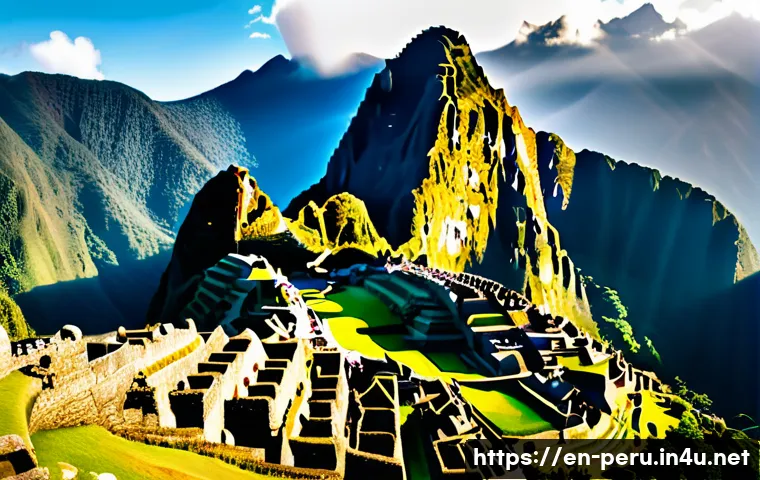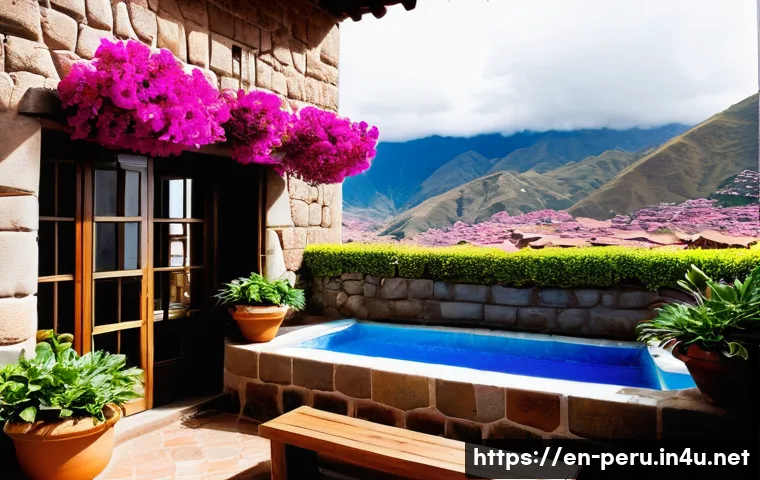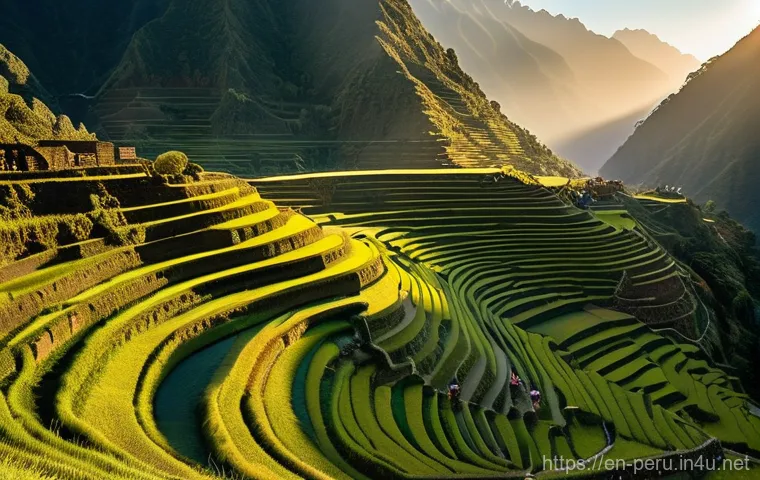
Exploring Peru on foot offers an unforgettable adventure filled with breathtaking landscapes, rich cultural heritage, and diverse ecosystems. From the legendary Inca Trail to lesser-known routes, trekking here reveals stories etched into mountains and valleys.
Whether you’re a seasoned hiker or a curious traveler, Peru’s trails promise both challenge and awe-inspiring beauty. The combination of ancient ruins, vibrant local communities, and stunning natural wonders makes these treks truly unique.
Ready to uncover the best trekking paths Peru has to offer? Let’s dive into the details and discover them together!
Immersing in the Andean Highlands: A Journey Through Time and Terrain
Tracing Ancient Footsteps Amidst Snow-Capped Peaks
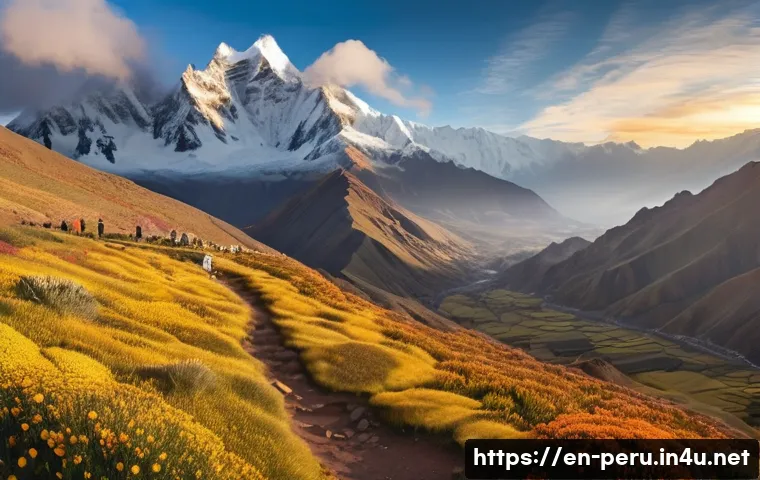
Walking through the Andean highlands feels like stepping back into a living history book. The crisp mountain air fills your lungs as you navigate trails once trodden by ancient civilizations.
Each turn reveals vistas of towering snow-capped peaks, their sheer majesty humbling even the most seasoned trekker. The terrain here varies dramatically—from gentle grassy slopes to rugged rocky ascents—offering a physical challenge that keeps you engaged and connected to the land.
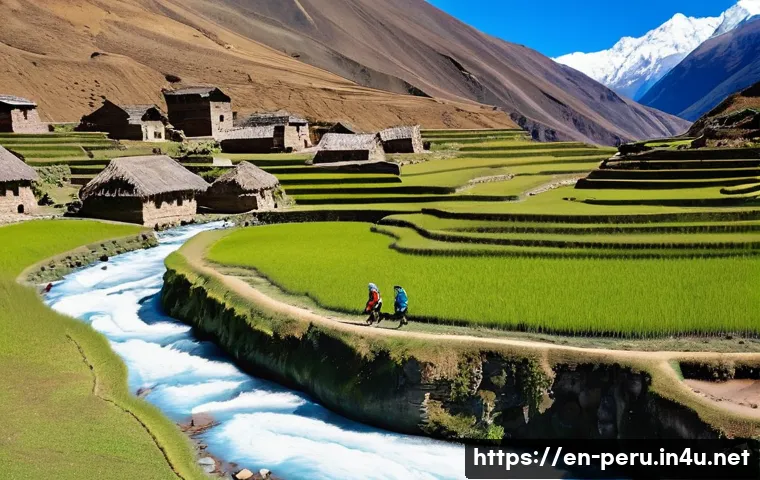
Along the way, scattered ruins peek through the landscape, whispering stories of Incan ingenuity and resilience. The vibrant colors of native wildflowers contrast beautifully with the stark rock faces, creating photo-worthy moments at every bend.
Local Communities: Culture Beyond the Trail
One of the most rewarding aspects of trekking in the Andean highlands is the chance to encounter indigenous communities who have preserved their traditions for centuries.
Staying in small villages along the route, you’ll witness vibrant textiles handwoven with symbolic patterns, hear folk songs that echo ancestral memories, and taste hearty, locally sourced meals that fuel your journey.
These interactions add depth to the trek, transforming it from a mere physical challenge into a cultural exchange. Often, villagers offer warm hospitality, sharing stories and inviting trekkers to participate in age-old ceremonies or festivals.
This blend of natural grandeur and human warmth makes the Andean highland experience uniquely enriching.
Preparing for Altitude and Weather Variability
The highlands’ elevation demands careful preparation to ensure a safe and enjoyable trek. Altitude sickness can sneak up on even the fittest hikers, so gradual acclimatization and staying hydrated are key.
Weather here is famously unpredictable; mornings might greet you with brilliant sunshine, only to be replaced by sudden rain showers or chilly winds by afternoon.
Packing layers and waterproof gear is essential. Personally, I found that pacing myself and listening closely to my body’s signals made all the difference.
The reward for this preparation is immense—clear, star-studded skies at night and panoramic sunrises that transform the mountains into a glowing canvas.
Venturing Through Lush Cloud Forests and Biodiversity Hotspots
Exploring the Enigmatic Cloud Forest Ecosystem
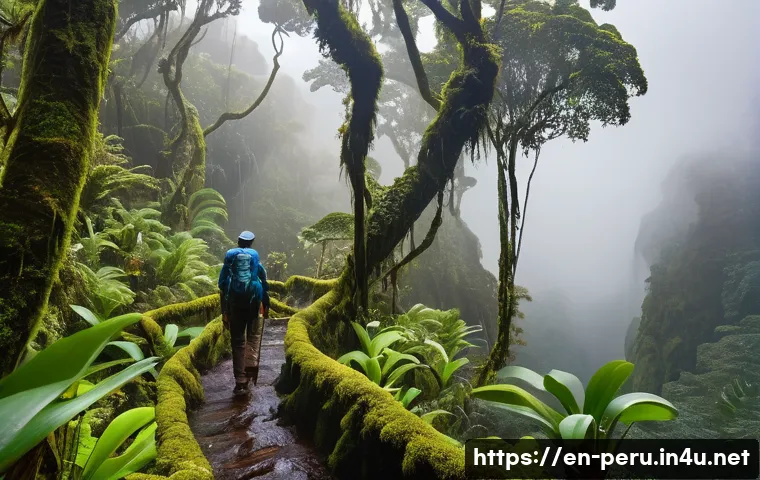
Trekking through Peru’s cloud forests is like entering a verdant dreamscape where mist weaves between towering trees draped in moss and orchids. These ecosystems are biodiversity hotspots, home to elusive species such as the spectacled bear and vibrant quetzal birds.
Walking here requires heightened awareness as the trails can be slippery and the humidity thick. Yet, the sensory experience—the chorus of insects, the scent of damp earth, and the kaleidoscope of green—makes every step worthwhile.
Guided walks often uncover hidden waterfalls and rare plants, adding layers of discovery to your journey.
Connecting with Conservation Efforts and Sustainable Tourism
Many cloud forest trekking routes are intertwined with conservation projects aimed at protecting fragile habitats and supporting local livelihoods. Trekking responsibly means choosing guides and lodges committed to sustainability, ensuring that your adventure contributes positively.
I’ve personally met conservationists working alongside indigenous communities to restore native flora and monitor wildlife populations, which adds a meaningful dimension to the trek.
These efforts help maintain the forest’s health and preserve its magic for future explorers.
Essential Gear and Fitness Tips for Cloud Forest Treks
Due to the dense vegetation and often damp conditions, lightweight waterproof boots with good grip are indispensable. Trekking poles also help navigate uneven terrain and reduce fatigue.
Cardiovascular fitness is crucial since the trails can be steep and long, often requiring several hours of steady hiking each day. I recommend a training routine that includes uphill walking and endurance-building exercises before your trip.
Bringing insect repellent and quick-dry clothing enhances comfort, making your time in the cloud forest all the more enjoyable.
Discovering Hidden Valleys: Off-the-Beaten-Path Treks
Unveiling Secret Trails Away from the Crowds
While the classic routes attract hordes of trekkers, Peru’s lesser-known valleys offer solitude and untouched beauty. These trails wind through remote villages, ancient terraces, and pristine rivers, where you might be the only hiker for miles.
The sense of discovery is thrilling—each day brings new surprises like secluded hot springs or ancient petroglyphs. I recall a trek where the silence was so profound that even the whisper of the wind felt amplified, creating a meditative atmosphere that stayed with me long after.
Challenges and Rewards of Remote Trekking
These hidden valleys often lack the infrastructure of popular paths, meaning accommodations can be basic and supplies limited. This requires a spirit of adventure and flexibility.
The physical demands can be higher, as trails may be less maintained and signposting sparse. However, the rewards—untouched landscapes, authentic cultural encounters, and personal growth—are unparalleled.
Preparing for these treks means carrying essential gear, packing light but smart, and sometimes hiring local guides who know the terrain intimately.
Planning Logistics and Safety Precautions
Because these routes are less frequented, communication and emergency services may be limited. It’s wise to inform someone of your itinerary and expected return times.
Hiring reputable guides not only enhances safety but also enriches the experience through their knowledge of flora, fauna, and history. Weather conditions can change rapidly, so bringing reliable navigation tools and extra provisions is a must.
From my own experience, embracing the unpredictability and respecting local customs turn these treks into unforgettable adventures that challenge both body and spirit.
Sunrise Summits and Panoramic Vistas
Chasing the Dawn on Mountain Peaks
Few experiences compare to reaching a summit just as the first light spills over the horizon. The sky bursts into a spectrum of colors, painting valleys and ridges below in golden hues.
These moments are both physically demanding and emotionally uplifting. I remember one trek where a pre-dawn start meant stumbling through darkness, only to be rewarded with a breathtaking sunrise that made every step worth it.
The sense of accomplishment and awe fosters a deep connection with nature and oneself.
Popular Peaks and Their Unique Features
Peru boasts numerous peaks that offer diverse climbing experiences—from moderate hikes to technical ascents. Each summit reveals distinct landscapes, whether it’s glacial fields, alpine meadows, or rugged crags.
Some peaks are sacred to local communities, adding spiritual significance to the physical challenge. The diversity ensures that whether you’re a casual trekker or an experienced climber, there’s a summit that matches your skills and aspirations.
Essential Preparation for High-Altitude Climbing
Climbing high-altitude peaks requires meticulous preparation. Beyond physical conditioning, acclimatization strategies and proper nutrition are vital.
Gear such as crampons, ice axes, and thermal layers become necessary at higher elevations. Weather windows can be narrow, so flexibility in scheduling is important.
From my climbs, I learned that mental resilience often matters as much as physical fitness. Patience and respect for the mountain environment make summits not just a goal but a profound journey.
Trailside Cuisine and Culinary Traditions
Fueling the Trek with Local Flavors
One delightful surprise on Peru’s treks is the rich culinary tradition that awaits at trail camps and village stops. Staples like quinoa soup, roasted guinea pig, and fresh ceviche provide not just energy but a taste of the region’s heritage.
I found that sharing meals with locals often became the highlight of the day, offering warmth and camaraderie after hours on the trail. Many lodges and homestays pride themselves on using organic, locally sourced ingredients, making every bite both nutritious and authentic.
Traditional Beverages to Warm the Body and Soul
Chicha, a fermented corn drink, and coca tea are common refreshments that have sustained Andean communities for centuries. Sipping coca tea at altitude helped me combat fatigue and nausea, offering gentle relief in a natural way.
These beverages come with stories and rituals that deepen the cultural experience. Sampling them is more than just tasting; it’s connecting with a living tradition that honors the land and its people.
Tips for Managing Nutrition on Multi-Day Treks
Maintaining energy levels on long hikes requires careful meal planning. Balancing carbohydrates, proteins, and fats keeps you fueled without feeling weighed down.
I recommend carrying lightweight snacks like nuts, dried fruits, and energy bars for quick boosts. Staying hydrated is equally important, especially at altitude.
If you’re cooking your own meals, simple recipes with versatile ingredients work best. Remember, good nutrition not only enhances performance but also enriches the overall trekking experience.
Essential Gear and Packing Strategies for Peruvian Treks
Choosing the Right Footwear and Clothing
Selecting footwear is arguably the most critical gear decision. Waterproof, well-broken-in hiking boots with ankle support prevent blisters and injuries on varied terrain.
Layering clothing allows you to adapt to fluctuating temperatures—from chilly mornings to warm afternoons. Breathable, moisture-wicking fabrics keep you comfortable, while a good rain jacket is indispensable.
From my own packing mishaps, I learned that versatility beats bulk every time.
Backpack Essentials for Comfort and Safety
A well-fitted backpack distributes weight evenly, reducing strain on long hikes. Packing essentials include a first aid kit, water purification system, headlamp, and navigation tools like maps or GPS devices.
I always bring a lightweight sleeping bag and a compact tent when camping. Organizing gear in waterproof bags inside the pack helps protect valuables from rain and sweat.
Thoughtful packing not only improves comfort but also enhances your confidence on challenging trails.
Technology and Connectivity Considerations
While many trekking areas are remote, carrying a fully charged phone with offline maps and a portable power bank is advisable. Satellite messengers or personal locator beacons add an extra layer of safety in emergencies.
Some lodges offer Wi-Fi, but don’t count on constant connectivity. Embracing the digital detox can be refreshing, allowing you to fully immerse in the natural and cultural wonders around you.
Comparing Popular Trekking Routes: An Overview
| Route | Duration | Difficulty | Highlights | Best Season |
|---|---|---|---|---|
| Classic Inca Trail | 4-5 days | Moderate to Challenging | Incan ruins, Machu Picchu, diverse ecosystems | May to September |
| Salkantay Trek | 5-7 days | Challenging | Snow-capped peaks, tropical jungle, hot springs | April to October |
| Lares Trek | 3-4 days | Moderate | Traditional villages, Andean culture, stunning valleys | May to September |
| Choquequirao Trek | 7-9 days | Challenging to Very Challenging | Remote Inca ruins, wild landscapes, fewer tourists | April to October |
| Ausangate Trek | 5-6 days | Very Challenging | High-altitude glaciers, colorful mountains, sacred sites | May to September |
In Closing
Exploring the Peruvian highlands offers an unforgettable blend of natural beauty, cultural richness, and personal challenge. Whether trekking ancient trails, immersing in vibrant local traditions, or conquering towering peaks, each experience deepens your connection to this remarkable land. Preparing thoughtfully and embracing the journey’s unpredictability unlocks the true magic of the Andes. This adventure is not just a hike—it’s a transformative journey through time and terrain.
Useful Information to Keep in Mind
1. Acclimatization is key—allow your body time to adjust to high altitudes to avoid sickness.
2. Layered clothing and waterproof gear help you adapt to the Andes’ rapidly changing weather.
3. Supporting sustainable tourism ensures that your trek benefits local communities and conservation efforts.
4. Carry essential safety items such as navigation tools, first aid kits, and communication devices.
5. Fuel your body with balanced meals and stay hydrated to maintain energy and enjoy the trek fully.
Key Takeaways for a Successful Trek
Thorough preparation is essential for trekking in Peru’s diverse landscapes. Prioritize proper fitness training, especially for high-altitude and long-distance hikes. Respect the cultural heritage and environment by engaging responsibly with local communities and following Leave No Trace principles. Choose reliable guides to enhance safety and enrich your experience. Finally, embrace flexibility and patience, as the unpredictable mountain weather and terrain demand both resilience and an open heart.
Frequently Asked Questions (FAQ) 📖
Q: What is the best time of year to go trekking in Peru?
A: The ideal trekking season in Peru generally falls between May and September, which is the dry season. During these months, trails are less muddy, and the skies are clearer, offering stunning views of the Andes and surrounding landscapes.
I’ve personally found that hiking the Inca Trail in June was a perfect balance—fewer crowds and great weather. However, some routes remain accessible year-round, but be prepared for rain and slippery paths outside the dry season.
Q: How difficult are Peru’s trekking routes, and do I need prior experience?
A: Peru offers a wide range of trekking experiences, from moderate day hikes to challenging multi-day treks at high altitudes. The famous Inca Trail, for example, requires a good fitness level because of steep ascents and altitude changes, but it’s manageable with proper preparation.
For less experienced hikers, options like the Lares Trek or shorter routes near Cusco provide beautiful scenery with a bit less strain. Based on my experience, training for a few weeks beforehand and acclimatizing in Cusco helps a lot in making the journey enjoyable and safe.
Q: Are there cultural experiences along the trekking routes in Peru?
A: Absolutely! One of the things that makes trekking in Peru so special is the chance to connect with local communities. Many trails pass through traditional villages where you can experience Andean customs, taste authentic cuisine, and even stay with local families in homestays.
On the Salkantay Trek, for instance, I met Quechua-speaking locals who shared stories and their vibrant weaving traditions. These encounters add a rich cultural layer to the adventure that goes beyond just the natural beauty.