
Peru’s job market is as vibrant and diverse as its rich cultural heritage. From bustling urban centers to remote Andean villages, the types of jobs people pursue reveal a fascinating blend of tradition and modernity.
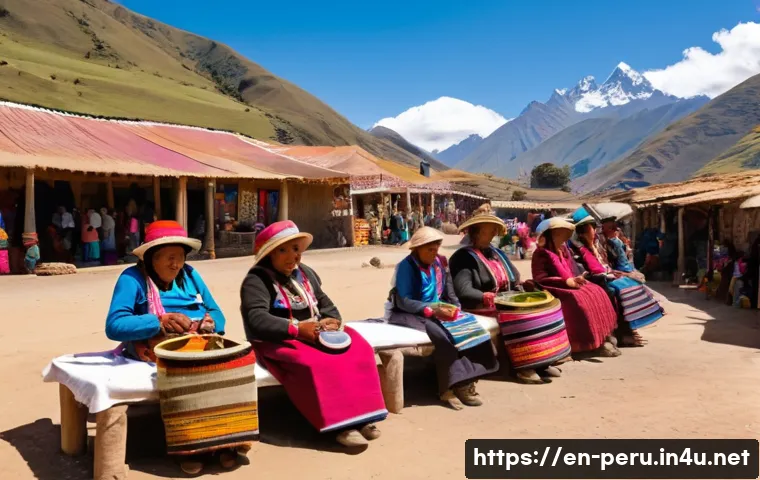
Whether it’s thriving industries like tourism and mining or the growing tech sector, the career landscape is continuously evolving. Many Peruvians are embracing new opportunities while holding onto professions deeply rooted in their history.
If you’re curious about which jobs dominate in Peru and why they’re so popular, let’s dive into the details and uncover the trends shaping this dynamic workforce!
Emerging Opportunities in Peru’s Growing Tech Scene
Startups and Innovation Hubs
Peru’s tech ecosystem has been steadily gaining momentum, especially in cities like Lima and Arequipa. I’ve noticed a surge of startups focusing on fintech, e-commerce, and software development.
Many young professionals are diving into coding bootcamps and tech incubators, eager to ride the wave of digital transformation. It’s exciting to see how innovation hubs are fostering collaboration between entrepreneurs and investors, creating an environment ripe for growth.
From my conversations with locals, there’s a real buzz around how these new ventures are not only generating jobs but also attracting international attention.
Remote Work and Freelancing Trends
The pandemic pushed a lot of Peruvians to explore remote work options, and this shift seems to be sticking around. Freelancing platforms have become popular gateways for professionals in graphic design, content creation, and programming to connect with clients worldwide.
I’ve personally witnessed how this flexibility empowers workers in smaller towns who previously had limited job options. Plus, the ability to work remotely has encouraged a new kind of work-life balance, with many people appreciating the chance to remain close to family while earning a competitive income.
Government and Private Sector Support
Recognizing the importance of tech jobs, both the government and private companies have launched initiatives to boost digital skills training. Scholarships, coding workshops, and public-private partnerships are helping bridge the gap between education and employment.
I find it particularly promising how these programs aim to include underrepresented groups, such as women and indigenous communities, ensuring a more diverse workforce.
This push for inclusivity reflects a broader commitment to sustainable economic development across the country.
Traditional Industries Holding Strong
Agriculture and Farming Roots
Despite the rise of modern sectors, agriculture remains a cornerstone of Peru’s economy and job market, especially in rural areas. Many families continue farming crops like coffee, quinoa, and potatoes, often using techniques passed down through generations.
From what I’ve learned, this sector not only provides employment but also preserves cultural heritage. The challenge, however, lies in balancing tradition with innovation to improve productivity and market access, which some communities are tackling by adopting sustainable farming practices.
Mining’s Enduring Influence
Mining has long been a major employer in Peru, given the country’s rich deposits of copper, gold, and silver. I’ve met workers whose entire families have been involved in this industry for decades.
While mining offers well-paying jobs, it also brings environmental and social challenges that require careful management. Recently, there’s been a push toward more responsible mining practices, and companies are increasingly investing in community development projects.
This evolving approach is crucial for maintaining mining’s role as a stable source of employment without compromising local livelihoods.
Handicrafts and Cultural Preservation
In many Andean villages, traditional crafts such as weaving, pottery, and jewelry-making remain vital sources of income. I recall visiting markets where artisans proudly showcase their work, which blends indigenous motifs with contemporary styles.
These jobs are more than just economic activities—they’re a way to keep cultural identity alive. Tourists often seek out these unique products, supporting local artisans directly.
The challenge lies in scaling these businesses sustainably while protecting the authenticity and craftsmanship that make them special.
Service Sector Expansion in Urban Areas
Tourism and Hospitality Boom
Tourism is undeniably one of Peru’s biggest job creators, especially in cities like Cusco and Lima. I’ve seen firsthand how hotels, restaurants, and tour companies provide countless opportunities for locals.
From guides sharing stories about Machu Picchu to chefs reinventing traditional dishes, this sector offers diverse career paths. Even during economic downturns, tourism tends to bounce back, demonstrating its resilience.
Many workers in this field develop valuable skills in customer service and foreign languages, which can open doors to international job markets as well.
Retail and Customer Service Growth
With urbanization, retail jobs have expanded significantly. Shopping malls, supermarkets, and local markets employ a broad spectrum of workers, from sales associates to inventory managers.
I’ve noticed that these roles often serve as entry points for young people entering the workforce. The dynamic nature of retail also encourages workers to develop interpersonal skills and adaptability.
Additionally, the rise of online shopping has created new positions in logistics and digital marketing, blending traditional retail with tech-driven solutions.
Healthcare and Education Careers
As public awareness around health and education improves, jobs in these sectors are increasingly in demand. Nurses, teachers, and social workers often serve as the backbone of community wellbeing.
I’ve talked to educators who emphasize the importance of continuous training to meet evolving needs, especially in underserved regions. The government’s focus on expanding access to quality healthcare and education means these professions are likely to remain stable and rewarding career choices for many Peruvians.
Job Market Challenges and Workforce Adaptation
Addressing Informal Employment
A significant portion of Peru’s workforce operates in the informal sector, including street vendors, day laborers, and small-scale entrepreneurs. While this provides flexibility and immediate income, it often lacks job security and social benefits.
From my observations, many workers aspire to formalize their businesses but face bureaucratic hurdles and limited access to financing. Efforts to simplify registration processes and provide microloans are gradually helping, but more systemic reforms are needed to protect these workers and enhance their livelihoods.
Skills Gap and Education Alignment
One of the biggest challenges is aligning educational outcomes with market demands. I’ve met graduates who struggle to find jobs because their skills don’t match employer expectations.
To tackle this, vocational training and partnerships between schools and industries are becoming more common. Programs focusing on digital literacy, language proficiency, and practical experience are particularly valued.

This ongoing adjustment is crucial for Peru to stay competitive and ensure young professionals are prepared for future opportunities.
Urban-Rural Disparities in Employment
Employment opportunities in Peru vary widely between urban and rural areas. While cities offer diverse jobs in tech, services, and manufacturing, rural communities often depend on agriculture and artisanal trades.
I’ve seen how this disparity leads to migration toward cities, creating pressure on urban infrastructure and social services. Initiatives aimed at decentralizing economic development and improving rural connectivity are vital to balancing this dynamic and fostering inclusive growth across the country.
Overview of Key Sectors and Employment Characteristics
| Sector | Main Job Types | Geographic Focus | Typical Skills Required | Growth Potential |
|---|---|---|---|---|
| Technology | Software developers, IT support, digital marketers | Urban centers like Lima, Arequipa | Programming, problem-solving, English proficiency | High |
| Agriculture | Farmers, agronomists, agricultural technicians | Rural Andean and Amazon regions | Crop management, sustainability practices | Moderate |
| Mining | Miners, engineers, safety inspectors | Highland regions with mineral deposits | Technical expertise, safety standards | Stable but environmentally sensitive |
| Tourism & Hospitality | Tour guides, hotel staff, chefs | Cusco, Lima, coastal tourist areas | Customer service, multilingualism | High |
| Retail & Services | Salespersons, logistics coordinators | Urban and peri-urban areas | Communication, adaptability | Moderate to high |
| Healthcare & Education | Teachers, nurses, social workers | Nationwide, with focus on underserved areas | Professional training, empathy | High |
Women’s Increasing Role in Peru’s Workforce
Breaking Barriers in Male-Dominated Fields
Peruvian women are making impressive strides in sectors traditionally dominated by men, such as mining and technology. I’ve encountered several inspiring stories of women engineers and entrepreneurs who are not only succeeding but also mentoring the next generation.
This shift reflects broader societal changes and government policies promoting gender equality in education and employment. It’s heartening to see more women gaining leadership roles, which helps challenge stereotypes and opens new doors for others.
Entrepreneurship and Small Business Ownership
Many women are turning to entrepreneurship as a way to balance work and family life. From running local shops to launching online businesses, female entrepreneurs contribute significantly to the economy.
Based on my discussions with some of these business owners, access to microfinance and training programs has been crucial in helping them grow. These ventures often focus on community-oriented products and services, reinforcing social bonds while generating income.
Challenges and Support Systems
Despite progress, women still face obstacles such as wage gaps, limited childcare options, and cultural expectations. However, support networks and advocacy groups have been instrumental in providing resources and raising awareness.
I’ve attended workshops where women share experiences and strategies to overcome workplace discrimination. These collective efforts are essential in fostering a more inclusive and equitable job market for all Peruvians.
Impact of Global Trends on Peru’s Employment
Climate Change and Green Jobs
Climate change is influencing job opportunities in Peru, especially in sectors like agriculture and energy. There’s growing interest in green jobs, including renewable energy technicians and environmental consultants.
I’ve observed projects aimed at reducing carbon footprints and promoting sustainable resource management, which create new employment avenues. These roles often require specialized knowledge and reflect Peru’s commitment to international environmental agreements.
Digital Transformation and Automation
Automation and AI are slowly making their way into Peru’s industries, impacting jobs in manufacturing and services. While some routine tasks are being replaced by machines, new roles focused on managing and maintaining these technologies are emerging.
I find it fascinating how companies are balancing efficiency with workforce adaptation, investing in reskilling programs to help employees transition.
This trend underscores the importance of lifelong learning in today’s job market.
International Trade and Foreign Investment
Peru’s participation in global trade agreements has spurred foreign investment, particularly in mining, agriculture, and manufacturing. This influx of capital often brings new technologies and management practices, influencing local employment patterns.
From what I’ve gathered, workers benefit from improved working conditions and training opportunities, though competition can also intensify. Navigating these changes requires flexibility and openness to continuous professional development.
Closing Thoughts
Peru’s evolving job market showcases a dynamic blend of tradition and innovation, reflecting the country’s resilience and adaptability. From booming tech startups to enduring agricultural roots, opportunities are expanding across diverse sectors. Embracing new skills and inclusive growth will be key to sustaining this positive momentum. It’s inspiring to witness how communities and industries are coming together to shape a promising future for Peru’s workforce.
Useful Information to Keep in Mind
1. Peru’s tech scene is rapidly growing, especially in urban areas, creating exciting career paths in software, fintech, and remote work.
2. Traditional industries like agriculture and mining remain vital, balancing cultural heritage with modern sustainability efforts.
3. The service sector, particularly tourism and retail, offers diverse jobs that help develop valuable interpersonal and language skills.
4. Women are increasingly breaking barriers and leading in fields once dominated by men, supported by targeted programs and networks.
5. Global trends such as climate change and digital transformation are shaping new employment opportunities, emphasizing the need for continuous learning.
Key Takeaways
Peru’s workforce is at a crossroads where innovation meets tradition, requiring ongoing adaptation to economic and social changes. Strengthening digital skills, supporting formal employment, and addressing regional disparities are critical challenges. Meanwhile, fostering inclusivity—especially for women and marginalized groups—will enhance long-term sustainable growth. Understanding these dynamics is essential for anyone interested in Peru’s labor market and future development opportunities.
Frequently Asked Questions (FAQ) 📖
Q: What are the most common industries providing jobs in Peru today?
A: Peru’s job market is heavily influenced by industries like tourism, mining, agriculture, and the growing technology sector. Tourism thrives thanks to Peru’s rich cultural sites like Machu Picchu, attracting millions of visitors annually and creating numerous jobs in hospitality and guiding services.
Mining remains a backbone of the economy, offering employment in extraction and related fields. Recently, the tech sector has been expanding, especially in urban hubs like Lima, providing opportunities in software development and digital services.
This blend of traditional and modern industries offers a wide array of career paths for Peruvians.
Q: How do traditional jobs coexist with modern professions in Peru?
A: Many Peruvians skillfully balance traditional roles with modern career opportunities. For instance, in Andean villages, people may continue farming or weaving using age-old techniques passed down through generations, while younger community members often seek jobs in cities within emerging sectors like technology or education.
This coexistence is a reflection of Peru’s respect for its cultural heritage alongside its ambition to grow economically. In my experience, this dynamic creates a unique workforce where innovation meets tradition, allowing Peruvians to maintain their roots while embracing change.
Q: What challenges do job seekers face in Peru’s evolving job market?
A: Job seekers in Peru often grapple with challenges such as regional disparities, skill mismatches, and limited access to high-quality education or training programs, especially outside major cities.
While Lima and other urban centers offer diverse opportunities, rural areas may have fewer options, prompting many to migrate for work. Additionally, adapting to the demands of the tech-driven economy can be tough for those without specialized skills or resources.
From what I’ve observed, continuous learning and flexibility are key for Peruvians aiming to thrive in this changing landscape. Employers and government initiatives are increasingly focusing on bridging these gaps, but progress is gradual.