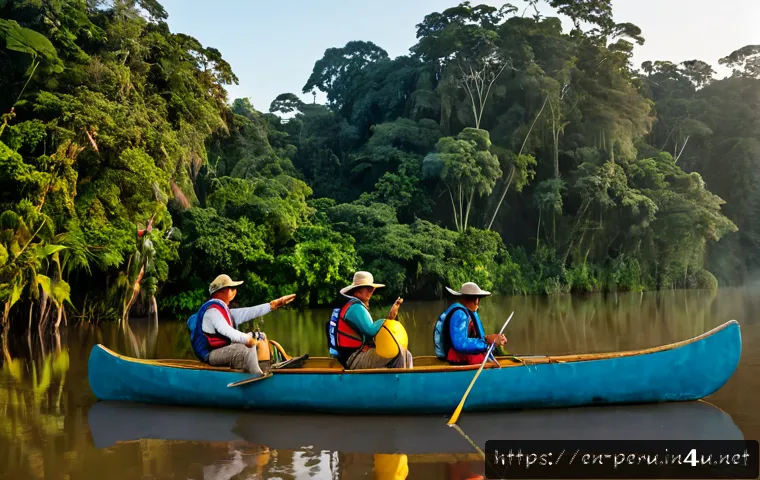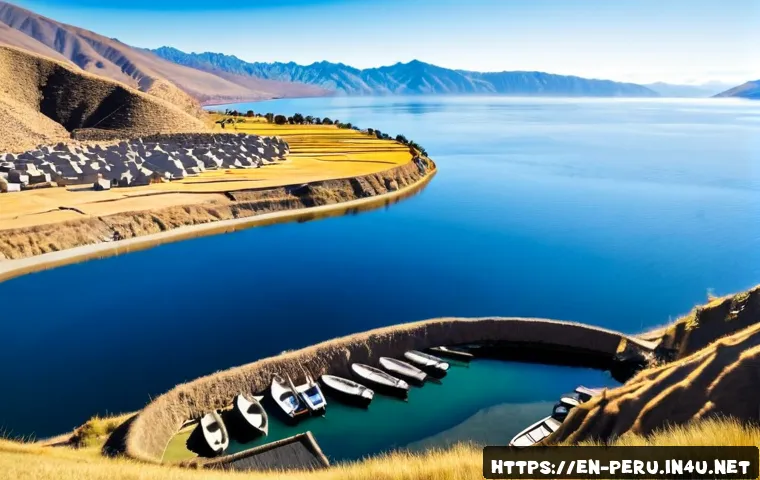
Lake Titicaca is generally identified as Peru’s largest lake, and it is shared with neighboring Bolivia. For most travelers, the main choice is whether to take a day trip from Puno or book an overnight stay closer to the lake.
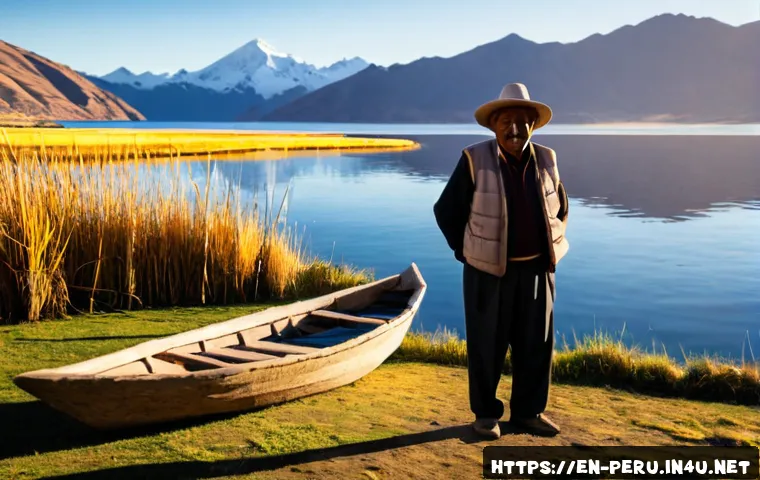
A guided boat tour can simplify transfers and activity planning, while independent travel may offer more flexibility. The right option depends on your available time, comfort at altitude, preferred pace, and interest in island experiences.
Before reserving a tour, hotel, or transport connection, compare what is included and confirm current conditions directly with the provider.
At a Glance
- Lake Titicaca is generally recognized as Peru’s largest lake and is shared with Bolivia.
- Puno is a common base for arranging lake tours, boat transfers, and nearby accommodation.
- Your biggest planning decision is usually a day tour versus an overnight island stay.
| Option | Best For | What to Compare Before Booking |
|---|---|---|
| Group day tour | Travelers with limited time | Pickup point, boat time, group size, activities, meals, and return transfer |
| Private boat tour | Flexible schedules or a more tailored visit | Route, waiting time, guide language, boat standards, and cancellation terms |
| Overnight island stay | Slower travel and cultural activities | Boat logistics, lodging setup, meals, luggage handling, and weather backup plans |
| Puno hotel stay | Convenient transport connections | Tour pickup access, breakfast timing, storage, and onward travel arrangements |
The Short Answer: Peru’s Largest Lake
Lake Titicaca is generally recognized as the answer to “What is the largest lake in Peru?” It is a major destination for travelers building a Peru itinerary around Puno, lake excursions, and possible onward travel toward Bolivia. The practical question is not simply where the lake is, but how much time you want to spend there.
Why Lake Titicaca Is Generally Recognized as the Answer
Lake Titicaca is the lake most travelers and travel planners mean when discussing Peru’s largest lake. It is known for its highland setting, boat trips, island visits, and the range of guided experiences available from Puno. If your itinerary includes only one lake destination in Peru, this is usually the one being considered.
What Travelers Should Know About Its Peru–Bolivia Location
The lake is shared by Peru and Bolivia, so a Lake Titicaca itinerary can be either Peru-focused or part of a cross-border route. Do not assume that a lake tour includes border travel or that a Peru departure automatically connects to Bolivia. Confirm the route, transport arrangements, and any current entry requirements directly before making reservations.
Planning a Visit From Puno
Puno is commonly used as a starting point for Lake Titicaca tours and accommodation. It can be a practical base if you want hotel choices, organized pickup options, and a clearer place to begin or end transport. Still, a convenient map location does not guarantee a simple connection, especially if your arrival time, departure time, or tour pickup point is tight.
Common Starting Points and Transfer Considerations
When comparing Puno hotels or tour listings, check the exact pickup arrangement. Some operators may collect guests from selected locations, while others may require meeting at a designated point. Ask whether transfers are included, whether luggage can be brought, and what happens if transport delays affect the meeting time.
Day Trip, Overnight Stay, or Independent Itinerary
A day trip is often the clearest choice for travelers with a short Peru itinerary. It may package boat transport, a guide, and planned stops into one booking. An overnight stay can suit travelers who want less rushing and more time around the lake, but it adds lodging and return-boat details. An independent itinerary may provide more control, although you will need to coordinate boat travel, timing, and accommodation yourself.
Compare Tours, Boat Trips, and Accommodation Options
Tour listings can look similar at first glance, yet the useful differences are often in the details. Compare the complete travel day, not only the headline destination. A lower-priced option may have fewer inclusions, a less convenient meeting point, or a schedule that leaves little room for weather changes.
Group Tour Versus Private Tour: What to Compare
A group tour can be suitable if you value a structured plan and do not mind sharing the day with other travelers. A private tour may be worth considering if your schedule is fixed, you prefer a more flexible pace, or you are coordinating a family or small group. In either case, review the planned route, guide arrangements, pickup location, boat duration, and what time you are expected to return.
What May Be Included in the Quoted Price
Before paying, look beyond the main tour price. Check whether the quote includes hotel pickup, boat transportation, guide services, activities, meals, entrance-related costs, and return transfers. If something is described as optional, ask whether it affects the main experience or requires cash payment on the day. Clear inclusions make it easier to compare tours fairly.
Choosing Between a City Hotel and an Island Stay
A city hotel in Puno may be the easier choice for travelers arriving late, leaving early, or arranging separate transport. An island stay can offer a more immersive lake experience, but you should confirm comfort expectations, meal arrangements, access to electricity or services where relevant, and how weather may affect the boat schedule. Choose the setting that matches your tolerance for logistics, not just the most attractive photo.
Altitude, Weather, and Booking Mistakes to Avoid
Lake Titicaca travel requires a little more preparation than a simple city sightseeing stop. Altitude, sun, wind, changing temperatures, and transport timing can all affect how comfortable the visit feels. Leaving room in your schedule is often more useful than trying to fit every activity into one tightly planned day.
Allowing Time to Acclimatize
If you are arriving from a lower elevation, consider allowing time to settle before a long boat trip or active itinerary. Individual responses to altitude vary, so avoid treating another traveler’s experience as a guarantee. A gentler first day may be preferable to booking an early, demanding excursion immediately after arrival.
Checking Boat Safety, Pickup Details, and Cancellation Terms
Ask practical questions before booking: Who operates the boat? Where exactly is pickup? Is the return transfer included? What happens if weather or operational conditions change the schedule? Review cancellation and amendment terms carefully, particularly when a tour is connected to a flight, bus, or cross-border plan.
Packing for Sun, Wind, and Changing Temperatures
Pack for more than the temperature shown in a forecast. Lake conditions can feel different during a boat ride, and changing weather may make layers useful. Sun protection, water, and clothing that works in wind can make the day more comfortable. Confirm current weather conditions shortly before departure rather than relying on seasonal assumptions.
Which Lake Titicaca Experience Fits Your Travel Style?
The best Lake Titicaca experience is the one that fits your route without creating unnecessary pressure. A longer stay is not automatically better if it complicates your transport plan. Likewise, a fast day trip may be the right choice if it lets you see the lake while keeping the rest of your Peru travel manageable.
Best Fit for Short Peru Itineraries
Choose a well-organized day tour from Puno if you have limited time and want a simple structure. Focus on the full duration, departure time, return time, and hotel transfer details. This approach works best when you have enough buffer before your next transport connection.
Best Fit for Cultural Activities and Slower Travel
An overnight stay may suit travelers who want more time for local activities and a less hurried visit. Compare the accommodation style, meal plan, activity schedule, and return-boat logistics. It is a better fit when you can remain flexible and are comfortable with a more remote travel setup.
Best Fit for Travelers Continuing to Bolivia
If Bolivia is your next destination, treat the lake visit and the border crossing as related but separate planning tasks. Confirm whether your chosen tour ends where you need it to, and verify current transport and entry arrangements before committing to hotels or tickets. A route that looks efficient online may not align with your actual departure day.
Choosing a Tour and Stay: Comparison Summary
Before reserving, compare total duration, pickup and drop-off locations, boat route, group size, included services, accommodation conditions, and cancellation rules. A day tour is usually the simpler choice for a short schedule. An overnight stay can be worthwhile when the lake itself is a priority rather than a brief stop between other destinations. Check the official details and current conditions on the relevant tour, transport, or accommodation page before booking.
A Final Checklist Before Paying or Reserving
Confirm the meeting point, all stated inclusions, return timing, luggage policy, accommodation location, payment conditions, and cancellation process. If you are connecting onward, leave time for possible changes in boat or road transport. Keep booking confirmations accessible without relying only on mobile data.
When Spending More May Be Worthwhile
A higher-priced option may be worth considering when it provides a schedule that better matches your travel plans, clearer transfers, more suitable lodging, or a route that reduces stress. Do not assume that a higher price guarantees a better experience. Compare the actual services and conditions rather than choosing based on price alone.
Final Thoughts
Lake Titicaca is generally recognized as Peru’s largest lake, but the travel experience can vary widely based on the tour format and where you stay. Puno can be a useful base for travelers who value organized transport and hotel convenience. For a smoother visit, decide first how much time you have, then compare tours and accommodation around that decision. A careful review of inclusions and timing can prevent avoidable surprises.
Useful Information to Keep in Mind
1. Confirm current tour schedules before booking.
2. Allow flexibility for altitude and changing weather.
3. Check whether hotel pickup and return transfers are actually included.
4. Treat a Bolivia connection as a separate logistics check.
5. Choose an island stay only if you are comfortable with the added boat and lodging arrangements.
Important Notes
Exact tour prices, hotel availability, transport schedules, weather conditions, and entry requirements can change. This guide is intended as a comparison framework, not a substitute for current information from tour operators, transport providers, accommodation hosts, or official authorities. Confirm all time-sensitive details directly before reserving or traveling.
Frequently Asked Questions
Q1. What is the largest lake in Peru?
A1. Lake Titicaca is generally identified as the largest lake in Peru. It is shared with Bolivia and is commonly visited from Puno.
Q2. Is Lake Titicaca worth visiting on a short Peru itinerary?
A2. It can be worthwhile if your route allows enough time for transport, altitude adjustment, and a boat excursion. A day tour may be the most practical format for a short itinerary, provided the timing works with your onward plans.
Q3. Should I book a Lake Titicaca day tour or stay overnight near the lake?
A3. Choose a day tour if you want a simpler, time-efficient visit from Puno. Consider an overnight stay if you prefer a slower pace and are prepared to compare lodging, meals, boat transfers, and weather-related logistics.