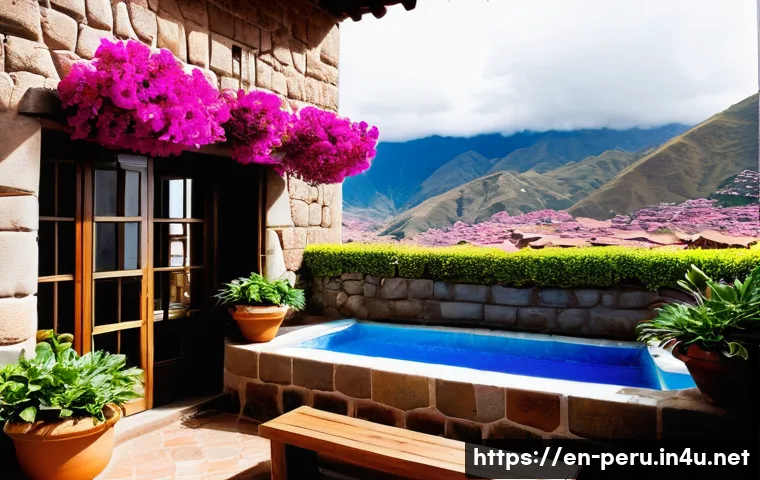
Choose a Peru eco tour by matching the ecosystem, your comfort level, and the number of travel days you truly have. The best value is rarely the lowest advertised rate; it is the itinerary with clear inclusions, realistic transport plans, and practices you can verify before booking.
Amazon eco-lodges can suit wildlife-focused travelers, while Andes trips are often a better fit for guided trekking and cultural landscapes. Coastal options may appeal to travelers with limited time, and community-based stays require a respectful, participation-minded approach.
Compare guide support, group format, meals, transfers, equipment, and environmental practices before paying a deposit. Remote travel in Peru can involve changing schedules, so flexibility matters as much as the headline itinerary.
Quick Overview
- Choose the Amazon for rainforest wildlife and lodge-based river travel, the Andes for trekking and high-altitude landscapes, or the coast for shorter nature-focused trips.
- Compare what is included before choosing the lowest advertised rate, especially transfers, meals, permits, equipment, and accommodation.
- Verify sustainability claims, guide credentials, wildlife practices, and community benefit-sharing directly with the operator.
| Region or Experience | Best For | Typical Trip Format | Logistics Level | What to Verify Before Booking |
|---|---|---|---|---|
| Amazon rainforest | Wildlife observation and river travel | Eco-lodge or guided multi-day itinerary | Higher | Boat transfers, luggage limits, guide support, wildlife rules |
| Andes | Trekking and cultural landscapes | Guided hike or supported trek | Moderate to high | Physical requirements, altitude planning, permits, equipment |
| Coastal and marine areas | Shorter wildlife-focused excursions | Day trip or brief guided tour | Lower to moderate | Seasonality, viewing expectations, boat safety, transport timing |
| Community-based stays | Local culture and slower travel | Hosted visit or overnight experience | Moderate | Local leadership, respectful participation, benefit-sharing |
Which Peru Eco Experience Fits Your Trip Best?
Quick answer: choose by ecosystem, comfort level, and available travel days
Start with the kind of experience you want most: wildlife, trekking, remote comfort, or local culture. An Amazon eco tour may involve lodge stays and river transport, while an Andes itinerary can require more physical preparation. If you have a tight schedule, a coastal nature trip may be easier to connect with other parts of a Peru itinerary. Do not select only by photos or a low starting price.
Why responsible travel planning matters in remote areas
Remote travel depends on transport connections, weather, local conditions, and the operator’s planning. A responsible guided tour should communicate what happens if schedules change and what support is available away from major towns. Clear information is especially important when an itinerary includes boats, trails, altitude, or limited medical access.
A fast comparison of Amazon, Andes, coast, and community stays
The Amazon generally suits travelers who prioritize rainforest observation and are comfortable with more complex logistics. The Andes suit people seeking active travel, cultural landscapes, and guided hiking support. Coastal trips can work well when time is limited. Community-based experiences are strongest when travelers value learning, patience, and respectful interaction rather than a tightly packaged attraction.
Compare Peru’s Main Nature Travel Regions Before Booking
Amazon rainforest: wildlife, river travel, and lodge-based itineraries
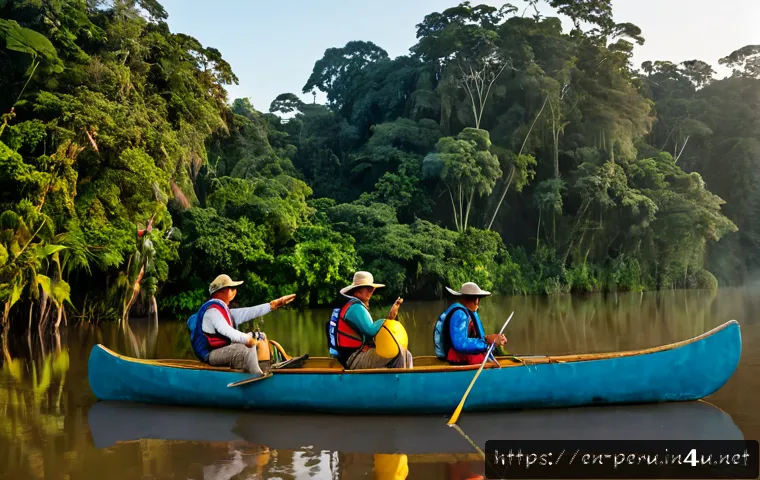
Amazon tours often combine wildlife viewing, guided walks, boat transport, and an eco-lodge stay. Ask whether transfers, meals, excursions, and accommodation are included in the quoted tour cost. Wildlife sightings should never be presented as guaranteed. A better sign is an operator that explains how guides minimize disturbance and how guests are expected to behave around animals.
Andes: trekking, high-altitude conditions, and cultural landscapes
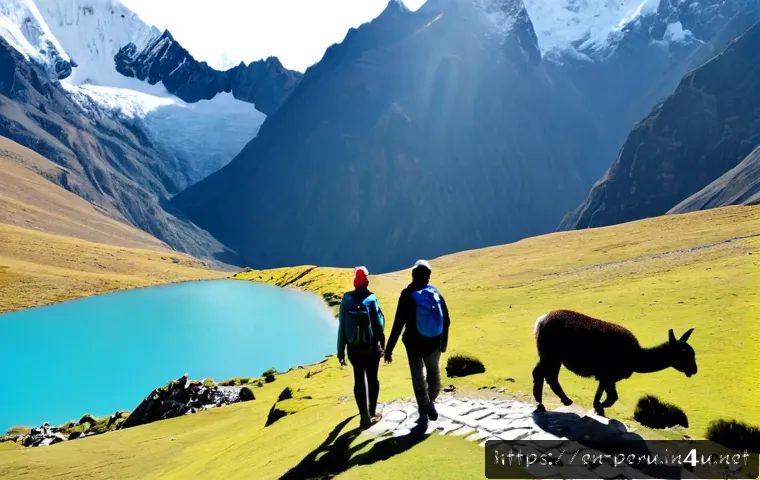
Andes eco travel can range from day hikes to more involved trekking itineraries. Confirm the walking demands, elevation considerations, pace, equipment expectations, and whether a guide handles route logistics. Your physical comfort and acclimatization time matter more than an ambitious itinerary. Ask what happens if a participant needs to stop or alter the plan.
Coastal and marine options: seasonality and wildlife-viewing expectations
Coastal and marine excursions can be a practical option for travelers who want nature without a long lodge stay or multi-day trek. Conditions and wildlife-viewing opportunities can vary by season, so treat promotional images as examples rather than promises. Confirm departure points, boat arrangements, weather policies, and the operator’s viewing distance rules.
Community-based experiences: what respectful participation can look like
A community-based stay should not feel like a staged encounter designed only for visitors. Look for clear information about who leads the experience, how local participants are compensated, and what guests are expected to contribute or respect. Learn first, ask before photographing people, and avoid assuming every activity is available on demand.
What Makes an Eco Tour Worth the Cost?
Compare inclusions beyond the advertised rate
A useful Peru eco-lodge comparison goes beyond the nightly or package rate. Review transfers, accommodation type, meals, guided activities, permits, entry fees, equipment, and pickup arrangements. An apparently cheaper guided tour may require separate payments for essentials. Compare the total trip cost in PEN, not just the headline price.
Questions to ask about guides, local employment, waste, and wildlife practices
Ask whether guides are trained for the route and whether local people are employed in meaningful roles. Request practical details about waste handling, refill options, wildlife viewing, and group conduct. Broad statements such as “green,” “ethical,” or “sustainable” are not enough without specific answers.
When a small-group tour or eco-lodge may offer better value
A small-group format or eco-lodge may be worth considering when it provides clearer guiding, simpler logistics, and a more manageable experience in a remote area. It is not automatically more sustainable or better than an independent plan. Compare the itinerary, support level, accommodation standards, and impact practices rather than relying on one label.
Budget planning in PEN: transport, permits, meals, gear, and tips
Build a budget in PEN with room for transport to the departure point, permits where applicable, meals not listed as included, gear, tips, and extra accommodation before or after the tour. Remote-area schedules and luggage rules can change, so keep your connection plan realistic. Ask for a written list of inclusions and exclusions before committing.
Booking Steps, Safety Checks, and Common Mistakes
Check physical requirements, altitude considerations, and medical access
Read the physical requirements carefully, especially for trekking and high-altitude itineraries. Ask about walking distances, terrain, support options, and access to assistance in remote areas. Do not assume that a “beginner-friendly” description means the same thing for every traveler.

Confirm transport connections and realistic travel times
Check where the tour actually begins and ends. An Amazon lodge itinerary may involve separate flights, road transfers, or boat travel, while a trek may require an early pickup from another town. Confirm luggage restrictions and avoid booking a tight onward connection immediately after a remote excursion.
Avoid tours that promise guaranteed wildlife sightings or use unclear conservation claims
Guaranteed wildlife sightings are a warning sign because nature cannot be scheduled. Be cautious when an operator makes conservation claims without explaining its practices, local partnerships, or visitor rules. Responsible tourism should reduce pressure on wildlife, not turn close encounters into a sales promise.
Pack for changing weather without buying unnecessary gear
Ask for a current packing list specific to your route and accommodation. Bring adaptable layers and only the items you are told are necessary. Before purchasing specialized equipment, check whether it is included, available to rent, or unsuitable for local transport limits.
Choose by Travel Style: Wildlife, Trekking, Comfort, or Local Culture
Best fit for first-time Peru visitors with limited time
Choose a clearly organized coastal trip or a shorter guided experience with straightforward transfers. This can reduce logistical pressure while still adding a nature-focused element to a broader Peru visit.
Best fit for travelers prioritizing wildlife observation
An Amazon eco-lodge or guided rainforest itinerary may be the best match. Prioritize operators that explain observation practices, guide expertise, transport arrangements, and realistic expectations for sightings.
Best fit for hikers who need guided logistics
Choose an Andes operator that clearly describes the route, physical demands, guide support, group planning, and equipment needs. A guided trek can be valuable when navigation, timing, permits, or changing mountain conditions add complexity.
Best fit for travelers seeking more comfort in remote settings
Compare eco-lodges by room setup, meals, transfers, activity pacing, and support rather than assuming “eco” means either luxury or discomfort. Comfort levels vary widely, and the details should be confirmed directly.
Selection Criteria and Comparison Summary
Before paying a deposit, check five points: the full itinerary and transfer plan; every inclusion and exclusion; physical and luggage requirements; guide, wildlife, and community practices; and cancellation or change terms. Compare operators on transparency, not just on attractive images or a low advertised rate. If you are comparing eco-lodges or guided tours, review the official itinerary and detailed conditions on the relevant booking page before deciding.
Final Thoughts
A good Peru eco tour should fit your time, energy, comfort expectations, and travel budget. The most responsible choice is usually the one that provides specific, verifiable information about logistics and impact. Leave room for changing conditions in remote areas, and choose an itinerary that does not depend on unrealistic promises. Careful comparison can make both the planning process and the trip itself feel more manageable.
Useful Information to Know
Keep written confirmations: Save the itinerary, inclusion list, pickup details, and cancellation terms. Ask early: Questions about transport, meals, gear, and room arrangements are easier to resolve before payment. Stay flexible: Weather and remote transport can affect timing without notice.
Important Notes
Exact prices, availability, group sizes, permits, weather, transport schedules, and included services vary by operator, route, season, and accommodation level. Sustainability claims, local benefit-sharing, wildlife practices, and guide credentials should be checked directly with each provider. This guide is a comparison framework, not a guarantee of tour conditions or outcomes.
Frequently Asked Questions
Q1. How much should I budget for an eco tour in Peru?
A1. Budget for more than the advertised tour rate. Include transport, permits where applicable, meals not listed, equipment, tips, and extra accommodation. Ask the operator for the full cost in PEN and a written list of exclusions.
Q2. Are Peru Amazon eco tours suitable for first-time visitors?
A2. They can be, particularly when the operator provides clear transfers, lodge details, guided activities, and packing guidance. First-time visitors should allow for changing schedules and confirm the level of comfort, boat travel, and luggage limits.
Q3. How can I tell whether a Peru tour operator’s sustainability claims are credible?
A3. Look for specific answers about local employment, community benefit-sharing, waste practices, wildlife-viewing rules, and guide credentials. Avoid relying on broad eco labels alone, and be cautious of operators that promise guaranteed animal encounters.