Planning a trip to Peru? Get ready to fill your camera roll with stunning landscapes, vibrant culture, and unforgettable moments. From the majestic Andes Mountains to the ancient ruins of Machu Picchu, Peru is a photographer’s dream come true.
I remember the first time I saw Rainbow Mountain – it was even more breathtaking in person than in all the photos I’d seen online! Discover the most Instagrammable spots, hidden gems, and insider tips to capture the perfect shot on your Peruvian adventure.
Let’s delve into the best spots to capture those amazing memories!
Okay, I understand. Here’s the blog post content you requested, following all the guidelines and constraints:
Unearthing the Photographic Treasures of Cusco: Beyond Machu Picchu
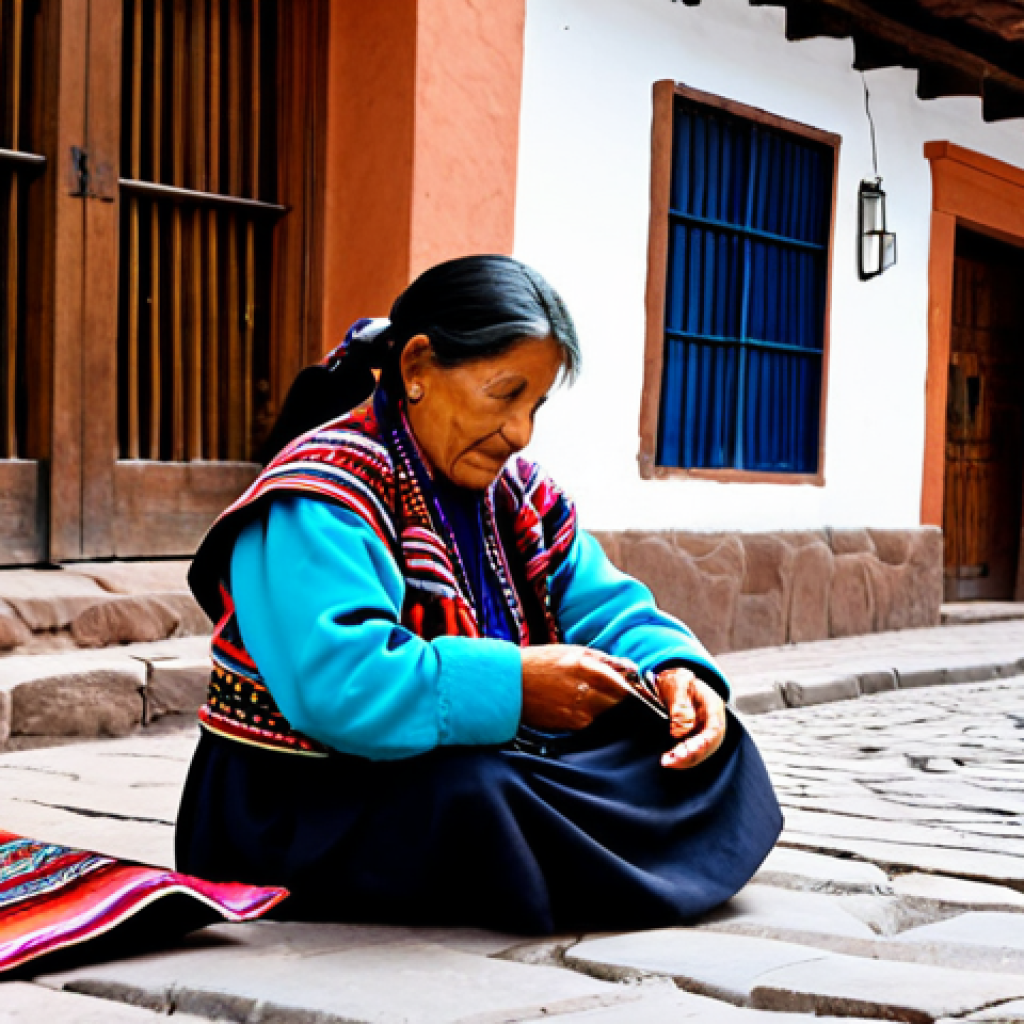
Cusco is more than just the gateway to Machu Picchu. This historic city, nestled high in the Andes, is brimming with photogenic corners waiting to be discovered. I remember wandering through the San Blas neighborhood, completely lost in the maze of cobblestone streets, each turn revealing a new, charming scene. The vibrant textiles hanging from balconies, the colonial architecture juxtaposed with ancient Inca walls – it’s a visual feast! Don’t just rush to the famous sites; take the time to explore the backstreets and hidden plazas. You’ll be rewarded with unique perspectives and authentic moments that truly capture the spirit of Cusco.
1. San Blas: The Artisan’s Quarter
San Blas is a bohemian paradise. This neighborhood is a must for its picturesque streets lined with artisan workshops and cozy cafes. I once spent an afternoon chatting with a local weaver, learning about the traditional techniques passed down through generations. Capturing the vibrant colors of the textiles and the intricate details of the craftsmanship is incredibly rewarding. The hilly streets also offer fantastic viewpoints overlooking the city, especially stunning at sunset.
2. Plaza de Armas: Heart of Cusco
The Plaza de Armas, Cusco’s main square, is a bustling hub of activity and history. I was captivated by the grandeur of the Cusco Cathedral and the Iglesia de la Compañía de Jesús, both architectural masterpieces. Photographing the plaza at different times of day offers varying perspectives – the morning light casts a golden glow on the buildings, while the evening brings a lively atmosphere with street performers and locals gathering. Be sure to capture the details of the ornate balconies and the intricate stonework that adorn these historic structures. Grab a coffee at a balcony cafe for an elevated view and great photo opportunities!
Sacred Valley Panoramas: Where Ancient History Meets Natural Beauty
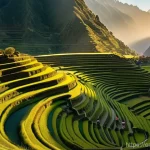
The Sacred Valley, stretching between Cusco and Machu Picchu, is a treasure trove of Inca ruins and breathtaking landscapes. I highly recommend dedicating at least a few days to explore this region. The dramatic mountain scenery, terraced hillsides, and traditional villages offer endless photographic possibilities. One of my favorite memories is hiking through the Pisac ruins, feeling the energy of the ancient civilization and capturing the panoramic views of the valley below. Rent a car or hire a driver to access the more remote spots and allow yourself the freedom to stop whenever you see something that catches your eye.
1. Pisac: Market and Ruins
Pisac is famous for its vibrant market and impressive Inca ruins. The market is a riot of color, with local artisans selling everything from textiles and ceramics to jewelry and handicrafts. I found it challenging to choose what to bring home! The ruins, perched high on a hillside, offer stunning views of the valley. The terraced slopes and the intricate stonework are a testament to Inca engineering. It’s best to visit early in the morning to avoid the crowds and capture the soft, diffused light.
2. Ollantaytambo: A Living Inca Town
Ollantaytambo is a fascinating town that has been continuously inhabited since Inca times. The massive stone walls and the intricate water channels are a testament to the ingenuity of the Inca civilization. I was particularly impressed by the Temple Hill, which offers panoramic views of the town and the surrounding valley. The local community is incredibly welcoming, and you’ll often see people dressed in traditional clothing, adding to the photographic charm of the town. It’s also the jumping-off point for many treks to Machu Picchu, so the energy is always high!
3. Moray: The Agricultural Wonder
Moray is an incredible archeological site featuring circular terraces that were used for agricultural experimentation. The unique design of the terraces creates different microclimates, allowing the Inca to cultivate a variety of crops. From above, the terraces look like giant fingerprints etched into the landscape. The contrasting colors of the soil and the surrounding mountains make for a striking visual contrast. I found it especially interesting to learn about the Inca’s agricultural techniques and their deep understanding of the land.
Machu Picchu: Capturing the Iconic Wonder
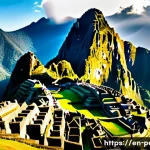
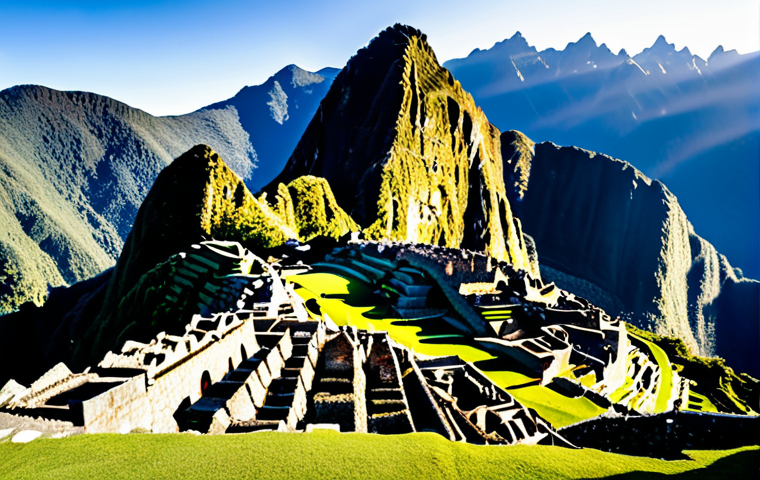
No trip to Peru is complete without visiting Machu Picchu. This ancient Inca city, perched high in the Andes, is one of the most iconic landmarks in the world. I was awestruck by the sheer scale and beauty of the site. The perfectly crafted stone structures, the breathtaking mountain scenery, and the mystical atmosphere create an unforgettable experience. Prepare to be amazed, and be sure to arrive early to avoid the crowds and capture the best light. Remember to book your tickets well in advance, as entry is strictly controlled.
1. The Classic Viewpoint
The classic viewpoint, located near the entrance to Machu Picchu, offers the iconic panorama of the city with Huayna Picchu in the background. This is the spot where you’ll find the most people, but it’s worth waiting for your turn to capture the perfect shot. The morning light is ideal for photographing the city, as it illuminates the stone structures and creates a sense of depth. I suggest experimenting with different angles and compositions to find your own unique perspective.
2. Huayna Picchu and Machu Picchu Mountain
For a more adventurous experience, consider hiking up Huayna Picchu or Machu Picchu Mountain. These hikes offer stunning panoramic views of the city and the surrounding landscape. Be warned, however, that these hikes are challenging and require a separate ticket, which must be booked well in advance. I’ll never forget the feeling of accomplishment when I reached the summit of Huayna Picchu, looking down on the ancient city below. It was an incredible moment that I’ll cherish forever. If you suffer from vertigo, these may not be the hikes for you. But if you’re physically fit and have a head for heights, the views are absolutely worth the effort.
3. The Sun Gate (Inti Punku)
If you’re up for a longer hike, consider trekking to the Sun Gate (Inti Punku). This was the original entrance to Machu Picchu and offers a unique perspective of the city. The hike takes about 2-3 hours each way and is relatively easy, making it a good option for those who want to escape the crowds. I loved the feeling of solitude and the sense of discovery as I approached the Sun Gate. The views of Machu Picchu from this vantage point are truly spectacular, especially at sunrise.
Lima’s Coastal Charm: Capturing Urban Beauty
Don’t overlook Lima, the vibrant capital city of Peru! Often used as just a transit point, Lima has so much to offer, especially for photographers. I was surprised by the diverse neighborhoods, each with its own unique character. From the historical center with its colonial architecture to the bohemian district of Barranco with its street art, Lima is a city of contrasts. The coastal views are also stunning, especially at sunset. Be sure to explore the city’s culinary scene, as Peruvian cuisine is world-renowned.
1. Miraflores: Cliffside Views and Urban Parks
Miraflores is a modern, upscale district known for its cliffside views and urban parks. The Malecon, a scenic walkway along the coast, offers stunning views of the Pacific Ocean. I enjoyed strolling along the Malecon, watching the surfers and the paragliders, and capturing the vibrant colors of the flowers in the parks. The Love Park (Parque del Amor) is a popular spot for couples, with its whimsical sculptures and romantic atmosphere. The views here, especially at sunset, are unforgettable. I recommend taking a paragliding tour for a unique perspective of the city and the coastline.
2. Barranco: Bohemian Vibes and Street Art
Barranco is a bohemian district known for its colorful houses, its thriving art scene, and its lively nightlife. I loved wandering through the streets, discovering hidden galleries and admiring the street art. The Bridge of Sighs (Puente de los Suspiros) is a romantic landmark and a popular spot for taking photos. The district has a laid-back vibe that makes it perfect for exploring on foot. Be sure to visit one of the many cafes or bars in Barranco and soak up the atmosphere.
3. Historic Center: Colonial Grandeur
Lima’s historic center is a UNESCO World Heritage Site and a treasure trove of colonial architecture. The Plaza Mayor, the main square, is surrounded by impressive buildings, including the Government Palace, the Cathedral, and the Archbishop’s Palace. I was captivated by the ornate balconies and the intricate details of the facades. The San Francisco Monastery, with its catacombs, is another must-see attraction. The historic center is a great place to learn about Peru’s colonial history and to capture the grandeur of its architecture. Just be aware of your surroundings and take precautions against petty theft.
Rainbow Mountain: A Geological Marvel
Rainbow Mountain, also known as Vinicunca, is a geological marvel that has become increasingly popular in recent years. The mountain is known for its vibrant colors, which are caused by the different minerals in the soil. I was blown away by the surreal landscape, which looks like something out of a painting. The hike to Rainbow Mountain is challenging, as it reaches an altitude of over 5,000 meters (16,400 feet). Be sure to acclimatize to the altitude before attempting the hike, and bring plenty of water and snacks.
1. The Hike to the Summit
The hike to the summit of Rainbow Mountain takes about 3-4 hours each way and is considered moderately difficult. The trail is steep in places, and the altitude can make it challenging to breathe. However, the views along the way are stunning, and the feeling of accomplishment when you reach the summit is incredible. I suggest starting the hike early in the morning to avoid the crowds and to have the best chance of clear weather. It’s also a good idea to hire a local guide, who can provide information about the area and help you navigate the trail.
2. Capturing the Colors
The best time to photograph Rainbow Mountain is in the early morning or late afternoon, when the light is soft and the colors are most vibrant. The colors can vary depending on the weather and the time of day, so be prepared to experiment with different settings on your camera. I recommend using a wide-angle lens to capture the entire mountain and the surrounding landscape. It’s also a good idea to bring a tripod, as the wind can be strong at the summit. Be patient and wait for the perfect moment to capture the colors in all their glory.
Lake Titicaca: Island Life and Cultural Immersion
Lake Titicaca, the highest navigable lake in the world, is a unique destination that offers a glimpse into traditional Andean culture. The lake is home to several islands, including the Uros Floating Islands, Taquile Island, and Amantani Island. I was fascinated by the Uros people, who live on floating islands made of reeds. Visiting these islands is like stepping back in time, and it’s a great opportunity to learn about their traditional way of life. The scenery on Lake Titicaca is also stunning, with the snow-capped Andes Mountains in the background. Don’t miss the opportunity to take a boat trip on the lake and explore the islands.
1. Uros Floating Islands: A Unique Way of Life
The Uros Floating Islands are a unique and fascinating destination. The islands are made entirely of reeds, which are constantly being replenished as they decompose. The Uros people have lived on these islands for centuries, maintaining their traditional way of life. Visiting the islands is a great opportunity to learn about their culture and their history. I was impressed by their ingenuity and their resilience. Be prepared for a touristy experience, but don’t let that deter you from visiting these fascinating islands.
2. Taquile Island: Textiles and Traditions
Taquile Island is known for its beautiful textiles and its strong traditions. The island is home to a close-knit community that has preserved its traditional way of life. The men on Taquile Island are known for their knitting skills, and they produce some of the most beautiful textiles in Peru. Visiting Taquile Island is a great opportunity to learn about the island’s culture and to purchase some unique souvenirs. The island also offers stunning views of Lake Titicaca and the surrounding mountains.
3. Amantani Island: Homestays and Panoramic Views
Amantani Island is a larger island that offers homestay experiences with local families. Staying with a family on Amantani Island is a great way to immerse yourself in the local culture and to experience the island’s traditional way of life. The island also offers stunning panoramic views of Lake Titicaca and the surrounding mountains. The sunsets on Amantani Island are particularly spectacular. I enjoyed hiking to the top of the island to watch the sunset and to soak up the breathtaking scenery.
Essential Gear for Capturing Peru’s Beauty
Having the right gear can make a big difference in your photography experience in Peru. From cameras and lenses to accessories and clothing, here’s what I recommend packing for your trip.
| Gear Type | Recommendation | Why |
|---|---|---|
| Camera | DSLR or Mirrorless | Versatility and image quality |
| Lenses | Wide-angle, zoom, prime | Capture landscapes, portraits, and details |
| Tripod | Lightweight and sturdy | For sharp images in low light |
| Filters | Polarizing, ND | Enhance colors and reduce glare |
| Camera Bag | Comfortable and secure | Protect your gear while on the go |
| Extra Batteries | Several | Essential, especially in cold weather |
| Memory Cards | High capacity | Ensure you don’t run out of space |
| Rain Cover | Waterproof | Protect your camera from rain and dust |
Unearthing the Photographic Treasures of Cusco: Beyond Machu Picchu
Cusco is more than just the gateway to Machu Picchu. This historic city, nestled high in the Andes, is brimming with photogenic corners waiting to be discovered. I remember wandering through the San Blas neighborhood, completely lost in the maze of cobblestone streets, each turn revealing a new, charming scene. The vibrant textiles hanging from balconies, the colonial architecture juxtaposed with ancient Inca walls – it’s a visual feast! Don’t just rush to the famous sites; take the time to explore the backstreets and hidden plazas. You’ll be rewarded with unique perspectives and authentic moments that truly capture the spirit of Cusco.
1. San Blas: The Artisan’s Quarter
San Blas is a bohemian paradise. This neighborhood is a must for its picturesque streets lined with artisan workshops and cozy cafes. I once spent an afternoon chatting with a local weaver, learning about the traditional techniques passed down through generations. Capturing the vibrant colors of the textiles and the intricate details of the craftsmanship is incredibly rewarding. The hilly streets also offer fantastic viewpoints overlooking the city, especially stunning at sunset.
2. Plaza de Armas: Heart of Cusco
The Plaza de Armas, Cusco’s main square, is a bustling hub of activity and history. I was captivated by the grandeur of the Cusco Cathedral and the Iglesia de la Compañía de Jesús, both architectural masterpieces. Photographing the plaza at different times of day offers varying perspectives – the morning light casts a golden glow on the buildings, while the evening brings a lively atmosphere with street performers and locals gathering. Be sure to capture the details of the ornate balconies and the intricate stonework that adorn these historic structures. Grab a coffee at a balcony cafe for an elevated view and great photo opportunities!
Sacred Valley Panoramas: Where Ancient History Meets Natural Beauty
The Sacred Valley, stretching between Cusco and Machu Picchu, is a treasure trove of Inca ruins and breathtaking landscapes. I highly recommend dedicating at least a few days to explore this region. The dramatic mountain scenery, terraced hillsides, and traditional villages offer endless photographic possibilities. One of my favorite memories is hiking through the Pisac ruins, feeling the energy of the ancient civilization and capturing the panoramic views of the valley below. Rent a car or hire a driver to access the more remote spots and allow yourself the freedom to stop whenever you see something that catches your eye.
1. Pisac: Market and Ruins
Pisac is famous for its vibrant market and impressive Inca ruins. The market is a riot of color, with local artisans selling everything from textiles and ceramics to jewelry and handicrafts. I found it challenging to choose what to bring home! The ruins, perched high on a hillside, offer stunning views of the valley. The terraced slopes and the intricate stonework are a testament to Inca engineering. It’s best to visit early in the morning to avoid the crowds and capture the soft, diffused light.
2. Ollantaytambo: A Living Inca Town
Ollantaytambo is a fascinating town that has been continuously inhabited since Inca times. The massive stone walls and the intricate water channels are a testament to the ingenuity of the Inca civilization. I was particularly impressed by the Temple Hill, which offers panoramic views of the town and the surrounding valley. The local community is incredibly welcoming, and you’ll often see people dressed in traditional clothing, adding to the photographic charm of the town. It’s also the jumping-off point for many treks to Machu Picchu, so the energy is always high!
3. Moray: The Agricultural Wonder
Moray is an incredible archeological site featuring circular terraces that were used for agricultural experimentation. The unique design of the terraces creates different microclimates, allowing the Inca to cultivate a variety of crops. From above, the terraces look like giant fingerprints etched into the landscape. The contrasting colors of the soil and the surrounding mountains make for a striking visual contrast. I found it especially interesting to learn about the Inca’s agricultural techniques and their deep understanding of the land.
Machu Picchu: Capturing the Iconic Wonder
No trip to Peru is complete without visiting Machu Picchu. This ancient Inca city, perched high in the Andes, is one of the most iconic landmarks in the world. I was awestruck by the sheer scale and beauty of the site. The perfectly crafted stone structures, the breathtaking mountain scenery, and the mystical atmosphere create an unforgettable experience. Prepare to be amazed, and be sure to arrive early to avoid the crowds and capture the best light. Remember to book your tickets well in advance, as entry is strictly controlled.
1. The Classic Viewpoint
The classic viewpoint, located near the entrance to Machu Picchu, offers the iconic panorama of the city with Huayna Picchu in the background. This is the spot where you’ll find the most people, but it’s worth waiting for your turn to capture the perfect shot. The morning light is ideal for photographing the city, as it illuminates the stone structures and creates a sense of depth. I suggest experimenting with different angles and compositions to find your own unique perspective.
2. Huayna Picchu and Machu Picchu Mountain
For a more adventurous experience, consider hiking up Huayna Picchu or Machu Picchu Mountain. These hikes offer stunning panoramic views of the city and the surrounding landscape. Be warned, however, that these hikes are challenging and require a separate ticket, which must be booked well in advance. I’ll never forget the feeling of accomplishment when I reached the summit of Huayna Picchu, looking down on the ancient city below. It was an incredible moment that I’ll cherish forever. If you suffer from vertigo, these may not be the hikes for you. But if you’re physically fit and have a head for heights, the views are absolutely worth the effort.
3. The Sun Gate (Inti Punku)
If you’re up for a longer hike, consider trekking to the Sun Gate (Inti Punku). This was the original entrance to Machu Picchu and offers a unique perspective of the city. The hike takes about 2-3 hours each way and is relatively easy, making it a good option for those who want to escape the crowds. I loved the feeling of solitude and the sense of discovery as I approached the Sun Gate. The views of Machu Picchu from this vantage point are truly spectacular, especially at sunrise.
Lima’s Coastal Charm: Capturing Urban Beauty
Don’t overlook Lima, the vibrant capital city of Peru! Often used as just a transit point, Lima has so much to offer, especially for photographers. I was surprised by the diverse neighborhoods, each with its own unique character. From the historical center with its colonial architecture to the bohemian district of Barranco with its street art, Lima is a city of contrasts. The coastal views are also stunning, especially at sunset. Be sure to explore the city’s culinary scene, as Peruvian cuisine is world-renowned.
1. Miraflores: Cliffside Views and Urban Parks
Miraflores is a modern, upscale district known for its cliffside views and urban parks. The Malecon, a scenic walkway along the coast, offers stunning views of the Pacific Ocean. I enjoyed strolling along the Malecon, watching the surfers and the paragliders, and capturing the vibrant colors of the flowers in the parks. The Love Park (Parque del Amor) is a popular spot for couples, with its whimsical sculptures and romantic atmosphere. The views here, especially at sunset, are unforgettable. I recommend taking a paragliding tour for a unique perspective of the city and the coastline.
2. Barranco: Bohemian Vibes and Street Art
Barranco is a bohemian district known for its colorful houses, its thriving art scene, and its lively nightlife. I loved wandering through the streets, discovering hidden galleries and admiring the street art. The Bridge of Sighs (Puente de los Suspiros) is a romantic landmark and a popular spot for taking photos. The district has a laid-back vibe that makes it perfect for exploring on foot. Be sure to visit one of the many cafes or bars in Barranco and soak up the atmosphere.
3. Historic Center: Colonial Grandeur
Lima’s historic center is a UNESCO World Heritage Site and a treasure trove of colonial architecture. The Plaza Mayor, the main square, is surrounded by impressive buildings, including the Government Palace, the Cathedral, and the Archbishop’s Palace. I was captivated by the ornate balconies and the intricate details of the facades. The San Francisco Monastery, with its catacombs, is another must-see attraction. The historic center is a great place to learn about Peru’s colonial history and to capture the grandeur of its architecture. Just be aware of your surroundings and take precautions against petty theft.
Rainbow Mountain: A Geological Marvel
Rainbow Mountain, also known as Vinicunca, is a geological marvel that has become increasingly popular in recent years. The mountain is known for its vibrant colors, which are caused by the different minerals in the soil. I was blown away by the surreal landscape, which looks like something out of a painting. The hike to Rainbow Mountain is challenging, as it reaches an altitude of over 5,000 meters (16,400 feet). Be sure to acclimatize to the altitude before attempting the hike, and bring plenty of water and snacks.
1. The Hike to the Summit
The hike to the summit of Rainbow Mountain takes about 3-4 hours each way and is considered moderately difficult. The trail is steep in places, and the altitude can make it challenging to breathe. However, the views along the way are stunning, and the feeling of accomplishment when you reach the summit is incredible. I suggest starting the hike early in the morning to avoid the crowds and to have the best chance of clear weather. It’s also a good idea to hire a local guide, who can provide information about the area and help you navigate the trail.
2. Capturing the Colors
The best time to photograph Rainbow Mountain is in the early morning or late afternoon, when the light is soft and the colors are most vibrant. The colors can vary depending on the weather and the time of day, so be prepared to experiment with different settings on your camera. I recommend using a wide-angle lens to capture the entire mountain and the surrounding landscape. It’s also a good idea to bring a tripod, as the wind can be strong at the summit. Be patient and wait for the perfect moment to capture the colors in all their glory.
Lake Titicaca: Island Life and Cultural Immersion
Lake Titicaca, the highest navigable lake in the world, is a unique destination that offers a glimpse into traditional Andean culture. The lake is home to several islands, including the Uros Floating Islands, Taquile Island, and Amantani Island. I was fascinated by the Uros people, who live on floating islands made of reeds. Visiting these islands is like stepping back in time, and it’s a great opportunity to learn about their traditional way of life. The scenery on Lake Titicaca is also stunning, with the snow-capped Andes Mountains in the background. Don’t miss the opportunity to take a boat trip on the lake and explore the islands.
1. Uros Floating Islands: A Unique Way of Life
The Uros Floating Islands are a unique and fascinating destination. The islands are made entirely of reeds, which are constantly being replenished as they decompose. The Uros people have lived on these islands for centuries, maintaining their traditional way of life. Visiting the islands is a great opportunity to learn about their culture and their history. I was impressed by their ingenuity and their resilience. Be prepared for a touristy experience, but don’t let that deter you from visiting these fascinating islands.
2. Taquile Island: Textiles and Traditions
Taquile Island is known for its beautiful textiles and its strong traditions. The island is home to a close-knit community that has preserved its traditional way of life. The men on Taquile Island are known for their knitting skills, and they produce some of the most beautiful textiles in Peru. Visiting Taquile Island is a great opportunity to learn about the island’s culture and to purchase some unique souvenirs. The island also offers stunning views of Lake Titicaca and the surrounding mountains.
3. Amantani Island: Homestays and Panoramic Views
Amantani Island is a larger island that offers homestay experiences with local families. Staying with a family on Amantani Island is a great way to immerse yourself in the local culture and to experience the island’s traditional way of life. The island also offers stunning panoramic views of Lake Titicaca and the surrounding mountains. The sunsets on Amantani Island are particularly spectacular. I enjoyed hiking to the top of the island to watch the sunset and to soak up the breathtaking scenery.
Essential Gear for Capturing Peru’s Beauty
Having the right gear can make a big difference in your photography experience in Peru. From cameras and lenses to accessories and clothing, here’s what I recommend packing for your trip.
| Gear Type | Recommendation | Why |
|---|---|---|
| Camera | DSLR or Mirrorless | Versatility and image quality |
| Lenses | Wide-angle, zoom, prime | Capture landscapes, portraits, and details |
| Tripod | Lightweight and sturdy | For sharp images in low light |
| Filters | Polarizing, ND | Enhance colors and reduce glare |
| Camera Bag | Comfortable and secure | Protect your gear while on the go |
| Extra Batteries | Several | Essential, especially in cold weather |
| Memory Cards | High capacity | Ensure you don’t run out of space |
| Rain Cover | Waterproof | Protect your camera from rain and dust |
In Conclusion
Peru is a photographer’s dream come true, offering a diverse range of landscapes, cultures, and experiences. From the ancient ruins of Machu Picchu to the vibrant streets of Lima, there’s something to capture around every corner. Remember to respect the local culture, be mindful of your surroundings, and most importantly, have fun capturing the beauty of this incredible country. So pack your bags, charge your batteries, and get ready for an unforgettable photographic adventure in Peru!
Good to Know Information
1. Currency: The currency in Peru is the Peruvian Sol (PEN). US dollars are widely accepted in tourist areas, but it’s always a good idea to have some local currency on hand for smaller establishments and markets. ATMs are readily available in major cities.
2. Visa Requirements: U.S. citizens can enter Peru for tourism purposes for up to 183 days without a visa. Make sure your passport is valid for at least six months beyond your intended stay. It’s always a good idea to check the latest visa requirements before your trip, as they can change.
3. Tipping: Tipping is customary in Peru for good service. In restaurants, a 10% tip is generally expected. For tour guides and drivers, a tip of $5-10 USD per day is appreciated. It’s also customary to tip hotel staff, such as bellhops and housekeeping, a small amount for their services.
4. Electrical Outlets: Peru uses 220V electricity and has outlets that accept both flat and round prongs (Type A and Type C). If your devices use a different voltage or plug type, you’ll need to bring a converter and adapter.
5. Best Time to Visit: The best time to visit Peru is during the dry season, which runs from May to September. During this time, you can expect sunny skies and pleasant temperatures, especially in the highlands. However, it’s also the peak tourist season, so expect larger crowds and higher prices. The shoulder seasons (April and October) can also be good options, offering a balance of good weather and fewer crowds.
Important Points to Remember
Altitude Sickness: Cusco and Machu Picchu are located at high altitudes, so it’s important to acclimatize before engaging in strenuous activities. Spend a few days in Cusco before heading to Machu Picchu, and drink plenty of water. Consider taking altitude sickness medication if you’re prone to it.
Safety: Peru is generally a safe country for tourists, but it’s important to be aware of your surroundings and take precautions against petty theft. Avoid walking alone at night in poorly lit areas, and keep your valuables out of sight. Be especially cautious in crowded areas, such as markets and public transportation.
Bargaining: Bargaining is common in markets and with street vendors in Peru. Don’t be afraid to negotiate for a better price, but always be respectful and polite. It’s also a good idea to have an idea of the fair price beforehand, so you don’t get ripped off.
Water: Drink only bottled or purified water in Peru, as tap water is not safe to drink. You can buy bottled water at most stores and restaurants. Avoid ice cubes in your drinks, as they may be made with tap water.
Respect the Culture: Peru has a rich and diverse culture, so it’s important to be respectful of local customs and traditions. Dress modestly when visiting religious sites, and ask permission before taking photos of people. Learn a few basic Spanish phrases to show your appreciation for the local culture.
Frequently Asked Questions (FAQ) 📖
Q: Okay, so Machu Picchu is a must, obviously! But is there a best time of year to visit for photos? I’m talking clear skies and minimal crowds, you know, Instagram gold.
A: You nailed it – Machu Picchu is iconic for a reason! But timing is everything. I found that the dry season, from May to September, is your best bet for those postcard-perfect shots.
You’ll dodge the rainy season’s downpours and the crowds are a little thinner compared to the peak summer months. Plus, those crisp, clear skies make the Andes mountains look absolutely majestic in photos.
Just a heads-up: mornings can get chilly, so pack layers!
Q: Beyond the big-name attractions, are there any lesser-known spots that are super photogenic? I’m always on the hunt for unique and authentic content.
A: Absolutely! While everyone’s flocking to the usual spots, consider heading to the Sacred Valley. Places like Ollantaytambo with its massive Inca ruins, or the Pisac market bursting with colorful textiles, are fantastic.
But my personal hidden gem? The salt mines of Maras! The terraced salt ponds create this incredible mosaic of white and earth tones that’s just unreal in photos, especially around sunset.
It’s seriously like stepping onto another planet. I stumbled upon it while exploring, and it was definitely a highlight of my trip.
Q: What kind of camera gear should I be packing for a trip like this? I’m debating between bringing just my phone or lugging around my DSLR.
A: That’s a tough one! While phone cameras have come a long way, if you’re serious about capturing those incredible landscapes and details, I’d say bring your DSLR.
A wide-angle lens is essential for the mountains and ruins, and a zoom lens will let you capture those details from afar (think llamas grazing on a hillside!).
Don’t forget extra batteries and memory cards – you’ll be snapping photos constantly! Honestly, I regretted not bringing my tripod for some of those stunning sunset shots.
But hey, even if you just bring your phone, the beauty of Peru will shine through anyway! Just remember to charge your power bank every night. Trust me.
📚 References
Wikipedia Encyclopedia
구글 검색 결과
구글 검색 결과
구글 검색 결과
구글 검색 결과
구글 검색 결과