Alright, my fellow adventurers and flavor seekers! There’s nothing quite like truly immersing yourself in a new culture, and for me, a big part of that journey always involves discovering the local brews.
Forget the mass-produced stuff you can get anywhere; when I travel, I’m on a mission to uncover the drinks that truly tell a story about a place, its people, and their traditions.
I’ve personally wandered through countless markets and cozy pubs, from the bustling streets of Lima to the breathtaking heights of Cusco, always with an eye—and a palate—for what locals are genuinely enjoying.
Peru, a country famous for its incredible landscapes, ancient history, and world-renowned cuisine, offers so much more than just pisco sours and Inca Kola.
And trust me, while Inca Kola holds a special place in the Peruvian heart as a national symbol and even outsells Coca-Cola there, beer is undeniably the drink of the masses, deeply woven into the social fabric.
I remember my first time sharing a large bottle of Cusqueña with a group of new friends, passing around a single glass—a truly unique and communal experience that I initially found a bit surprising but quickly grew to appreciate as a beautiful act of unity.
This isn’t just about quenching your thirst; it’s about connection, community, and soaking in the vibrant energy of Peruvian life. From the iconic mainstream lagers that dominate celebrations to the exciting rise of craft breweries experimenting with local ingredients like purple corn and quinoa, Peru’s beer scene is far more dynamic and intriguing than many might expect.
If you’re anything like me, you’re probably eager to explore the authentic flavors and discover what makes each sip uniquely Peruvian. So, let’s get into the heart of it and uncover Peru’s most beloved and popular beer brands, including their history, cultural significance, and where you can find them.
We’ll explore which ones are truly the champions of flavor, and maybe even find your new favorite. Let’s delve into it right now and make sure you’re ready for your next Peruvian toast!
We’re going to accurately find out all the details.
Ah, Peru! It’s not just the land of ancient wonders and mind-blowing food; it’s also a place where a good “cerveza” holds a special spot in the hearts of locals.
I’ve trekked through bustling markets in Lima and celebrated with new friends in Cusco, and one thing became clear: beer is more than just a drink here; it’s a vital part of the social fabric, deeply intertwined with celebrations and everyday life.
While I initially might have thought of pisco sours as the go-to, I quickly learned that beer, especially the local lagers, truly reigns supreme for the everyday Peruvian.
And let me tell you, participating in a traditional Peruvian “beer circle,” passing a single glass around a group, was an experience that truly stuck with me, a genuine act of connection that felt uniquely Peruvian.
The Big Three: Peru’s Iconic Lagers
Cusqueña: The Golden Standard
When I think of Peruvian beer, Cusqueña is often the first that comes to mind, and for good reason! This “premium” lager is a true symbol of national pride, and you’ll spot its distinctive golden bottle and iconic Machu Picchu label everywhere you go, from high-end restaurants in Miraflores to cozy corner stores in the Andean highlands.
Brewed with pristine water from the Andes mountains, it boasts a crisp, clean, and beautifully balanced flavor profile that’s both refreshing and subtly malty.
I remember enjoying a perfectly chilled Cusqueña Dorada after a long day of exploring Cusco, and that sweet malt aroma with just a hint of honey truly hit the spot.
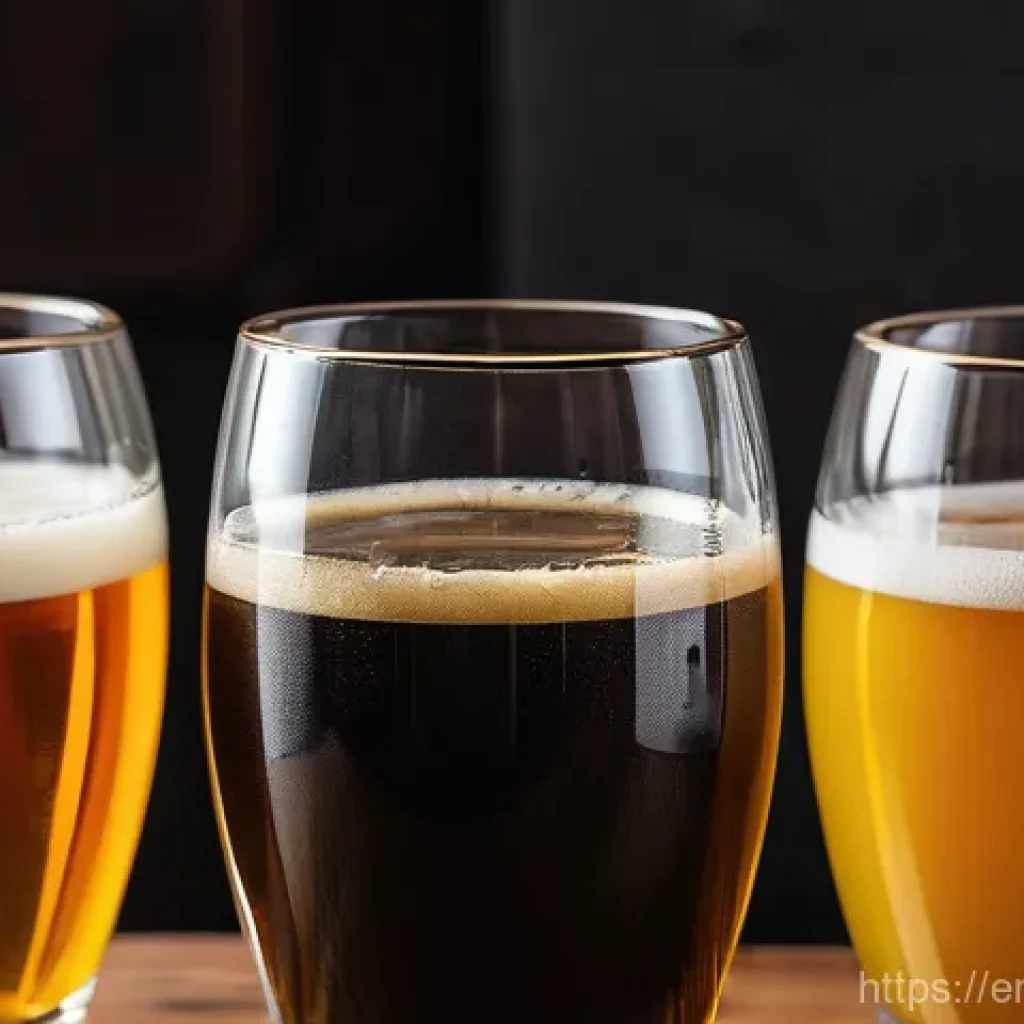
It’s light to medium-bodied with moderate carbonation, making it incredibly drinkable, especially on a warm day or after an intense hike. What I also love about Cusqueña is its versatility; it comes in several varieties, including a Golden Lager (Dorada), a Red Lager (Roja) with caramel notes, a Wheat Beer (Trigo) that’s fruity and spicy, and even a Dark Lager (Negra) for those who prefer something richer.
Each variant offers a slightly different experience, but they all share that unmistakable quality that makes Cusqueña a true standout in the Peruvian beer scene.
Pilsen Callao: A Taste of History and Friendship
Steeped in history since its founding in 1863, Pilsen Callao proudly claims its title as Peru’s oldest beer and is a firm favorite, especially when friends gather.
This beer is synonymous with camaraderie and is often seen as the drink that brings people together, embodying the spirit of Peruvian friendship. It’s a classic Pilsener, known for its bright golden color and balanced, smooth flavor that’s both authentic and delicious.
I’ve found myself in countless situations where a large 650ml bottle of Pilsen Callao is shared amongst a group, the single glass making its rounds, fostering conversation and laughter.
There’s something truly special about this tradition; it’s not just about the beer, but about the connection it creates. The taste is consistently reliable, a testament to over 160 years of brewing expertise.
You’ll find it’s a dependable choice, never too heavy, with a refreshing finish that invites you to share another round. For many Peruvians, Pilsen Callao isn’t just a beer; it’s a cherished part of their cultural heritage and a staple at any social event.
Cristal: The National Favorite
If you’ve spent any time in Peru, you’ve undoubtedly seen Cristal everywhere. Fondly known as “La Rubia” (The Blonde) or “La cerveza de los peruanos” (The beer of Peruvians), it’s arguably the most consumed and best-selling beer in the entire country.
Produced by Backus and Johnston, a major player in the Peruvian brewing industry, Cristal is a smooth, clear, and refreshing American-style lager. It’s the kind of beer that consistently hits the spot on a hot day, with light notes of lemon, ripe apples, and sweet malt in its aroma and a clean, crisp finish.
What strikes me about Cristal is its ubiquitous presence; it’s the go-to for many celebrations, from family gatherings to major sporting events – it even sponsors the Sporting Cristal football team!
When I was first exploring Lima, I was surprised by how frequently I saw people enjoying a Cristal, reflecting its deep integration into everyday Peruvian life.
It might not be the most complex brew, but its widespread appeal and refreshing character make it an essential part of the Peruvian beer experience.
Beyond the Mainstream: Regional Gems and Emerging Stars
Arequipeña: The White City’s Robust Brew
Just as regional loyalties run deep in Peru, so too does loyalty to local beers. If you find yourself in the beautiful “White City” of Arequipa, you absolutely must try Arequipeña.
This regional lager stands out from its Lima and Cusco counterparts with a slightly more robust flavor profile, which I personally find pairs wonderfully with the richer, spicier cuisine of Arequipa, like a hearty rocoto relleno or adobo.
It’s a testament to how local preferences shape beer styles. When I visited Arequipa, I made sure to seek out this local brew, and it felt like I was truly tasting the essence of the city in every sip.
It’s not as widely distributed as Cusqueña or Cristal nationally, so finding it outside of its home region feels like discovering a delicious secret. This focus on regionality truly adds another layer to Peru’s beer culture, celebrating the unique flavors and traditions of each area.
Pilsen Trujillo: Northern Peru’s Smooth Operator
Heading north to Trujillo, you’ll encounter Pilsen Trujillo, another regional favorite proudly brewed in its namesake city. This pilsner is known for its smooth and balanced flavor, reflecting over 95 years of brewing tradition in the region.
Like Arequipeña, Pilsen Trujillo is deeply embedded in the local identity, and locals will often express a strong preference for it over other national brands.
My experience traveling through the north taught me that embracing these regional beers is key to truly understanding the local culture. It’s a dependable, easy-drinking beer that perfectly complements the coastal climate and the vibrant life of Trujillo.
You’ll find it widely available in various bottle and can sizes, making it a convenient choice for any social occasion, big or small.
The Artisanal Awakening: Peru’s Craft Beer Scene
Pioneering the Craft Movement: Barbarian and Cumbres
Peru’s craft beer scene has been absolutely exploding since around 2011-2012, and it’s been incredibly exciting to witness! Brewers like Barbarian, who opened their first brewery in Lima, were truly pioneers, pushing the boundaries beyond the traditional lagers that had dominated the market for so long.
I remember walking into a Barbarian brewpub in Miraflores and being utterly thrilled by the diverse range of styles on offer – from IPAs to stouts and unique seasonal brews.
They’re known for their innovative spirit and have become a major player in the craft movement. Cumbres, another fantastic Lima-based brewery, also stands out for its creative approach, often incorporating uniquely Peruvian ingredients like quinoa and purple corn into their beers.
I’ve tried their Maíz Morado IPA, and the subtle sweetness from the purple corn really blew me away – it was a flavor I’d never experienced in a beer before!
This focus on local ingredients not only creates distinctive flavors you won’t find anywhere else in the world but also beautifully connects the beers to Peru’s rich cultural and gastronomic heritage.
Andean Inspiration: Sacred Valley Brewing Company and Sierra Andina
The craft beer movement isn’t just confined to Lima; it’s thriving in places like Cusco and the Sacred Valley, where breweries draw inspiration from the stunning Andean landscape and its indigenous ingredients.
The Sacred Valley Brewing Company, for instance, has embraced its location by crafting beers with ingredients like chicha de jora, a traditional Incan corn beer, giving their Pilsner a unique, local twist.
I had the chance to visit a smaller craft brewery near Ollantaytambo, and the passion of the brewers, using pure Andean water and local grains, was palpable.
Sierra Andina, based in Huaraz, is another shining example, known for its artisan-style beers that often feature native ingredients like maca and aguaymanto.
Their commitment to excellence and creativity, blending traditional brewing techniques with modern innovation, has truly put Peruvian craft beer on the international map.
These breweries aren’t just making beer; they’re telling a story with every sip, celebrating Peru’s diverse natural larder and ancient traditions.
The Communal Ritual: Sharing a Peruvian Cerveza
The Single-Glass Tradition: More Than Just Drinking
One of the most charming and memorable aspects of drinking beer in Peru is the communal sharing ritual. I touched on this earlier, but it truly deserves its own moment!
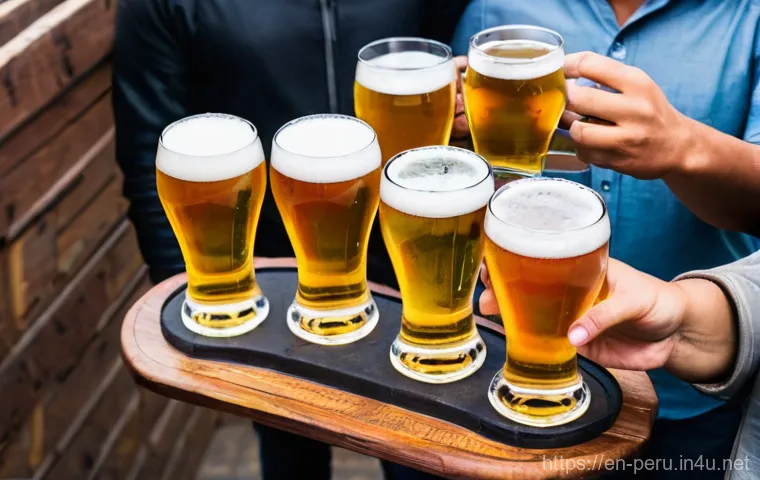
It’s common to order a large 650ml bottle of beer – often a Cristal, Pilsen Callao, or Cusqueña – accompanied by a single small glass for the entire group.
The process goes something like this: one person pours a glass, quickly drinks it, flicks the residual foam to the ground (an offering to Pachamama, or Mother Earth, as I learned), and then passes the *empty* glass to the next person, holding the bottle until it’s their turn to pour.
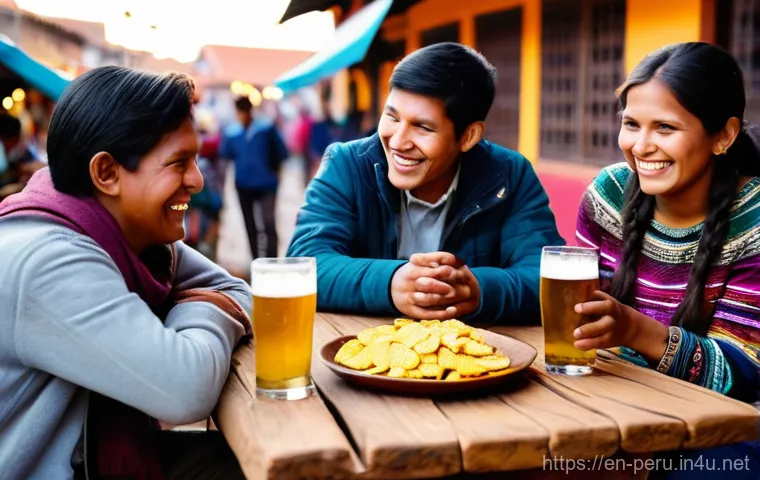
It might seem a little unusual if you’re used to having your own drink, but I found it to be a beautiful act of unity and friendship. It really slows down the drinking experience, encouraging conversation and connection, which is something I deeply appreciated.
It’s not about how fast you can drink, but about savoring the moment and the company.
Etiquette and Unspoken Rules: Joining the Circle
Navigating the Peruvian beer circle can be a unique experience for newcomers, but once you get the hang of it, it feels incredibly natural and inclusive.
Beyond the single-glass rotation, there are a few unspoken rules that I quickly picked up on. For instance, whoever finishes the bottle traditionally buys the next one, keeping the flow going seamlessly.
It’s a system built on trust and shared enjoyment. Also, I observed that while waiting for your turn, it’s polite to engage with those around you; this isn’t a solitary drinking affair.
The atmosphere is usually lively and full of chatter. While hygiene might cross your mind, the quick draining of the glass and flicking of the foam are part of the ritual.
It truly fosters a sense of fellowship and community spirit, and as someone who loves to immerse myself in local customs, this was a highlight of my Peruvian adventures.
So, if you ever find yourself in Peru, don’t hesitate to join a beer circle; it’s an authentic way to connect with the locals and experience their hospitality firsthand.
Crafting Flavor: Local Ingredients and Brewing Innovation
From Andean Grains to Tropical Fruits: A Brewer’s Palette
What really sets Peru’s craft beer scene apart, and what excites me most, is the incredible creativity shown in using local, indigenous ingredients. It’s not just about hops and barley anymore; Peruvian brewers are tapping into the country’s rich agricultural diversity to create flavors that are truly unique.
I’ve seen – and tasted – beers made with purple corn (maíz morado), quinoa, coca leaves, and even tropical fruits like camu camu. This experimentation is absolutely brilliant because it results in complex, nuanced beers that you simply can’t find anywhere else.
Imagine a blonde ale with a subtle hint of quinoa, adding a creamy texture, or an IPA that carries the earthy notes of coca – it’s a flavor journey that constantly surprises and delights.
This commitment to local sourcing not only supports Peruvian farmers but also makes each sip a direct connection to the country’s vibrant landscapes and ancient culinary traditions.
Marrying Tradition and Modernity: Brewing Techniques
Peruvian craft brewers are masters at blending ancient traditions with modern brewing techniques, creating an exciting fusion that respects history while looking to the future.
While the “big three” lagers might stick to more conventional methods, the artisanal breweries are constantly innovating. They’ll often take inspiration from pre-Incan fermented beverages like *chicha de jora* but apply contemporary brewing science to refine and perfect the flavors.
I spoke with a brewer in Lima who explained how they meticulously control fermentation temperatures and use specialized yeasts to bring out the best in unique ingredients, while still honoring the spirit of Peruvian heritage.
This blend of old and new is what gives Peruvian craft beers their distinct character and exceptional quality. It’s a dynamic scene where collaboration among brewers is common, fostering a thriving community that continually pushes the boundaries of what beer can be.
Every time I try a new Peruvian craft brew, I’m reminded of this beautiful dance between the past and the present, and it makes me even more excited for what’s to come.
| Beer Brand | Type | Key Flavor Notes / Characteristics | Regional Association |
|---|---|---|---|
| Cusqueña Dorada | Golden Lager | Crisp, clean, sweet malt, subtle honey, light to medium-bodied. | Cusco (national pride) |
| Pilsen Callao | Pilsener | Smooth, balanced, bright golden, refreshing, promotes camaraderie. | Callao (Lima) |
| Cristal | American-Style Lager | Light, refreshing, notes of lemon, ripe apple, sweet malt, best-selling. | Lima (national favorite) |
| Arequipeña | Lager | Slightly more robust flavor, pairs well with spicy food. | Arequipa |
| Pilsen Trujillo | Pilsner | Smooth, balanced, reliable quality, embodies local identity. | Trujillo |
| Barbarian (Craft) | Various (e.g., IPA, Stout) | Innovative, diverse styles, often bold flavors. | Lima (pioneer in craft) |
| Cumbres (Craft) | Various (e.g., IPA, Kölsch) | Creative use of local ingredients like purple corn, quinoa. | Lima |
Pairing Perfection: Beers with Peruvian Cuisine
Complementing Ceviche and Lomo Saltado: A Culinary Journey
One of the most delightful parts of exploring Peruvian beers is discovering how beautifully they pair with the country’s world-renowned cuisine. I’ve always found that local beers are often perfectly crafted to complement local dishes, and Peru is no exception.
A crisp, refreshing Cusqueña Dorada, for example, is an absolute dream with a vibrant ceviche. The beer’s clean profile and subtle maltiness cut through the citrusy acidity of the ceviche, enhancing the fresh flavors without overpowering them.
It’s a match made in gastronomic heaven that I’ve enjoyed countless times along the coast. For heartier dishes like *lomo saltado*, a classic Peruvian stir-fry, a slightly more robust beer like a Cusqueña Roja with its caramel notes can stand up to the rich, savory flavors of the beef and vegetables.
It creates a harmonious balance, where the beer becomes an integral part of the meal, rather than just an afterthought.
Regional Brews and Local Delicacies: A Taste of Place
This pairing philosophy extends wonderfully to Peru’s regional beers and their local specialties. In Arequipa, for instance, an Arequipeña beer, with its slightly more robust character, is the perfect companion to the fiery *rocoto relleno* (stuffed peppers) or a rich *adobo arequipeño*.
The beer’s body and flavor profile are specifically suited to handle the intensity of these dishes, creating a truly authentic regional dining experience.
When I traveled to the northern coast, I noticed how locals often enjoyed their Pilsen Trujillo with fresh seafood dishes, the beer’s smooth finish providing a lovely contrast to the delicate flavors of the ocean.
It’s truly fascinating how, over generations, these pairings have evolved, becoming an ingrained part of the local food culture. As a food and travel enthusiast, I always make it a point to seek out these local beer and food combinations because they offer such an immersive taste of a place.
It’s a testament to the fact that a great meal in Peru is rarely complete without the right local beer by its side.
The Global Appeal: Peruvian Beers Beyond Borders
Cusqueña’s International Presence: A World Ambassador
It’s not just in Peru where these fantastic beers are making a splash; some of our beloved Peruvian brews are also finding their way onto international shelves, becoming true ambassadors of Peruvian culture.
Cusqueña, with its premium reputation and distinctive Inca-inspired branding, is perhaps the most prominent example. It’s now available in over 30 countries, a testament to its quality and growing global appeal.
I’ve personally spotted Cusqueña in specialty stores and Latin American markets far from the Andes, and each time it brings a little smile to my face.
It’s fantastic to see a beer that embodies so much of Peru’s heritage gaining recognition on a worldwide stage. This international presence isn’t just about selling beer; it’s about sharing a piece of Peru with the world, inviting more people to discover its unique flavors and vibrant traditions.
It also means that even when you’re back home, you can relive a little bit of your Peruvian adventure with a familiar golden lager.
The Rise of Craft Exports: Unique Flavors Go Global
While the major brands lead the export charge, I’m also seeing an exciting trend with Peruvian craft beers beginning to gain international traction. The unique flavors, often incorporating indigenous ingredients like purple corn and quinoa, are truly piquing the interest of beer aficionados worldwide.
Some craft breweries, like Cumbres and Barbarian, are starting to appear in select international markets, offering a taste of Peruvian innovation that’s unlike anything else out there.
I recently found a Maíz Morado Pale Ale from a Peruvian craft brewer in a specialty beer shop in the US, and it was such a delightful surprise! This expansion of craft exports is a huge step for Peru, showcasing the country’s creativity and the rich diversity of its brewing landscape.
It highlights how Peruvian beer, much like its cuisine, is evolving and gaining a well-deserved spot on the global stage. It’s an exciting time to be a beer lover, and even more so if you’re exploring the incredible world of Peruvian brews!
Wrapping Things Up
Well, what a journey it’s been through the incredible world of Peruvian beer! From the iconic lagers that define social gatherings to the trailblazing craft brews embracing indigenous ingredients, Peru’s beer scene is as diverse and captivating as its landscapes. It’s been amazing to share my experiences, from the warmth of a shared glass to the delightful surprise of a purple corn IPA. More than just a beverage, Peruvian beer is truly a gateway to understanding the country’s heart, history, and vibrant culture. I hope this deep dive inspires you to grab a ‘chela’ and create your own unforgettable Peruvian beer moments.
Handy Tips for Your Peruvian Beer Adventure
1. Embrace the Sharing Tradition: Don’t be surprised if you’re offered a large bottle of beer and a single glass in a social setting. This “cerveza” ritual is a beautiful expression of friendship and community. When you’re offered the glass, pour a small amount, drink it quickly, and if you’re feeling traditional, flick the residual foam to the ground as an offering. Then, pass the empty glass to the next person. It’s all about connection, not quantity. Trust me, it’s an experience you won’t forget, and it really slows down the pace, making for more meaningful conversations, just like I experienced in Cusco’s bustling plazas.
2. Explore Beyond the Big Three: While Cristal, Pilsen Callao, and Cusqueña are ubiquitous and great staples, make sure to delve into the regional specialties like Arequipeña in Arequipa or Pilsen Trujillo up north. These beers often have distinct flavor profiles that perfectly complement local cuisines and offer a deeper taste of the region’s identity. Furthermore, Peru’s craft beer movement is thriving, especially in Lima and Cusco. Seek out breweries like Barbarian or Cumbres for innovative brews that incorporate uniquely Peruvian ingredients – you might just discover your new favorite style, something I happily stumbled upon during my explorations in Miraflores!
3. Perfect Your Pairings: Peruvian cuisine is legendary, and its beers are often designed to complement it beautifully. A crisp Cusqueña Dorada is your best friend with fresh ceviche, cutting through the acidity with its refreshing maltiness. For heartier dishes like lomo saltado or ají de gallina, a richer beer like Cusqueña Roja or even a craft pale ale can be a fantastic match. Don’t be afraid to ask locals or restaurant staff for their recommendations; they often know the best local pairings. I’ve found this truly enhances the dining experience, transforming a good meal into an unforgettable one.
4. Mind Your Budget (and Bottle Sizes): Beers in Peru are generally quite affordable, especially the national lagers. You’ll often find them sold in large 650ml returnable bottles in stores, which are great for sharing amongst friends. Restaurants and bars will typically serve individual bottles or sometimes draft beer. Always check the menu for prices, but you’ll find that enjoying a good beer won’t break the bank, allowing you to sample a wider variety without worry. Plus, buying local brands often means you’re supporting local industries and jobs, which feels good to do.
5. Look Out for Unique Ingredients: One of the most exciting aspects of Peruvian craft beer is the innovative use of indigenous ingredients. Keep an eye out for beers brewed with purple corn (maíz morado), quinoa, coca leaf, or tropical fruits. These additions don’t just add novelty; they create truly complex and regionally specific flavors that you won’t find anywhere else in the world. It’s a delicious way to experience Peru’s incredible biodiversity through its brewing, and I’ve personally been blown away by the creative flavor combinations I’ve encountered.
Key Takeaways for Your Peruvian Beer Journey
In essence, exploring Peruvian beer is much more than just savoring a cold drink; it’s an immersion into the country’s vibrant culture and rich history. We’ve seen that Peru’s beer landscape offers a captivating blend of deeply entrenched traditions, like the communal single-glass sharing ritual, and an exhilarating wave of modern craft innovation, often utilizing unique indigenous ingredients that truly set them apart on the global stage. From the ubiquitous national lagers that fuel everyday celebrations to the exciting artisanal brews born from Andean inspiration, there’s a flavor for every palate and an experience for every traveler. My personal journey through Peruvian beers has consistently shown me that each sip tells a story, connecting you to the land, its people, and their passionate spirit. So, whether you’re toasting with a historic Pilsen Callao or discovering a new craft IPA with purple corn, remember you’re not just drinking a beer – you’re experiencing Peru.
Frequently Asked Questions (FAQ) 📖
Q: What are the absolute must-try mainstream Peruvian beers that everyone talks about?
A: Oh, this is where the real fun begins, my friends! If you’re anything like me, you want to dive straight into what the locals are actually drinking, and trust me, Peru has some fantastic mainstream beers that are absolutely woven into the fabric of daily life and celebrations.
The big three you’ll hear about, and definitely see everywhere, are Cusqueña, Pilsen Callao, and Cristal. Let’s start with Cusqueña. For me, Cusqueña truly feels like the “premium” option among the mainstream choices.
It’s often found in those beautifully embossed bottles, making it feel a bit special, and it holds a deep connection to the Andean region, especially Cusco.
They offer a few varieties that I’ve personally enjoyed – the classic Golden Lager (Dorada) is crisp and refreshing, perfect for a sunny afternoon. But don’t miss their Red Lager (Roja) for something a bit maltier, or even their Dark Lager (Negra) if you’re into richer flavors.
I remember trying their Wheat Beer (Trigo) once, and it was surprisingly delightful! Many Peruvians consider it their go-to for quality. Then there’s Pilsen Callao, which holds the title of Peru’s oldest beer, dating all the way back to 1863.
This one is deeply tied to friendship and community; it’s the beer you share with your buddies, often in those large, communal bottles. It has a reliable, pleasant taste that I’ve found to be a consistent crowd-pleaser.
You’ll often hear it called “the taste of true friendship.”And finally, Cristal. This is truly the market leader, and you’ll see it absolutely everywhere – from family gatherings to big fiestas.
Cristal is often seen as the beer that “unites Peruvians,” the infallible partner for any social event. It’s a light, golden lager that’s incredibly easy to drink, making it a perfect refreshing choice, especially after a long day of exploring.
You might also come across Arequipeña, especially if you’re venturing down south to the “White City” of Arequipa. It’s their regional pride, known for a slightly more robust flavor compared to some other lagers.
The interesting thing is, these major brands – Cusqueña, Pilsen Callao, and Cristal – all come from the same brewing giant, Backus, which is part of Anheuser-Busch InBev.
So, while they might be “competitors” in terms of branding, they’re all under one big roof! But honestly, each one has its own distinct personality and a dedicated following.
You really can’t go wrong trying any of them to get a true taste of Peru.
Q: I’ve heard about a unique way Peruvians drink beer in groups. Can you tell me more about that tradition?
A: Ah, yes! You’ve hit on one of the most charming and, for us foreigners, initially surprising aspects of Peruvian beer culture: the communal sharing of a single bottle and glass.
This isn’t just a quirky habit; it’s a beautiful, deeply ingrained social ritual that really emphasizes unity and connection. Here’s how it usually goes down, based on my own experiences (and learning the ropes!).
You and your friends will order a large bottle of beer, often a liter or even more, typically a mainstream brand like Pilsen Callao or Cusqueña. What makes it unique is that it arrives with just one small glass for the entire group.
The person who buys the bottle (or simply initiates the round) pours a small amount into the glass, quickly drinks it, and then, this is the key part: they often flick the excess froth onto the ground.
Now, some say this is just to clean the glass for the next person, but many believe it’s also a little offering to Pachamama, or Mother Earth, a gesture of respect and gratitude before drinking.
After that, the empty glass is passed to the next person in the circle, who then fills it from the bottle (which has been passed to them in the meantime), drinks, and continues the cycle.
This rotation continues until the bottle is empty. And get this – whoever takes the last sip from the bottle is usually the one who then buys the next round!
It’s a wonderful way to foster conversation and camaraderie because you’re literally passing a shared experience around the table. You can’t just guzzle your own drink; you have to wait for the glass to come back to you, which naturally slows things down and encourages more interaction.
It’s a bit different from how we might drink beer back home, but honestly, it’s one of those cultural quirks that just makes your travel memories so much richer.
I remember feeling a bit awkward at first, but by the end of the evening, I felt so connected to my new Peruvian friends. It truly embodies the spirit of sharing and togetherness.
Q: Is Peru’s beer scene only about these big mainstream brands, or is there a growing craft beer movement?
A: Oh, my friend, if you thought Peru’s beer story ended with the big lagers, you’re in for a fantastic surprise! While those mainstream giants certainly dominate, Peru is absolutely buzzing with an exciting and rapidly growing craft beer movement.
It’s a true reflection of the country’s innovative spirit and its incredible biodiversity. I’ve been so thrilled to see this scene flourish over the past decade or so.
Craft breweries started popping up around 2012, and now there are over 200 breweries across the country, constantly experimenting and pushing boundaries.
What really sets Peruvian craft beer apart, in my opinion, is how brilliantly they incorporate indigenous ingredients. We’re talking about unique flavors you won’t find just anywhere!
I’ve tasted beers brewed with purple corn (Maiz Morado), the superfood quinoa, and even kiwicha. Some adventurous brewers are using things like coca leaves, maca, and a whole array of Amazonian fruits and local spices, creating truly distinctive and memorable brews.
It’s a direct nod to Peru’s rich history and agricultural heritage, bringing ancient traditions into modern brewing. You’ll find these artisanal gems primarily in the larger, more tourist-friendly cities.
Lima, especially neighborhoods like Barranco, is a hotspot. Places like Barranco Beer Company, Cumbres, and Barbarian are leading the charge, offering everything from crisp IPAs to rich porters and unique wheat beers.
And if you’re up in the Andes, especially around Cusco, breweries like Sacred Valley Brewing Company are doing incredible things, sometimes even incorporating traditional chicha de jora (Andean corn beer) into their recipes.
So, no, it’s definitely not just about the big brands anymore! The craft beer scene here is vibrant, dynamic, and full of passionate brewers dedicated to excellence and creativity.
If you’re a craft beer enthusiast like me, you absolutely have to seek these out. Each sip feels like an exploration of Peru itself, a delicious blend of tradition and innovation.
It’s a testament to how Peru continues to surprise and delight, not just with its food, but with its fantastic beverages too!