Stepping into Peru is like walking into a living symphony, where every beat and movement tells a story as vibrant as the Andes themselves. If you’ve ever wondered how a nation expresses its soul, look no further than its traditional dances – they’re an intoxicating blend of ancient indigenous roots, Spanish flair, and African rhythms, each one a window into centuries of history and pure human emotion.
From the playful courtship of the Marinera that I remember captivating me as a child, to the breathtaking spiritual acrobatics of the Scissor Dance, these aren’t just performances; they’re the heartbeat of Peruvian culture, preserving legacies and celebrating life with an infectious joy.
I’ve found that experiencing them firsthand is truly transformative, a unique way to connect with the incredible spirit of the Peruvian people. Ready to unravel the captivating tapestry of movement and meaning?
Let’s dive deeper and truly explore this incredible heritage.
The Rhythmic Heartbeat of the Andes
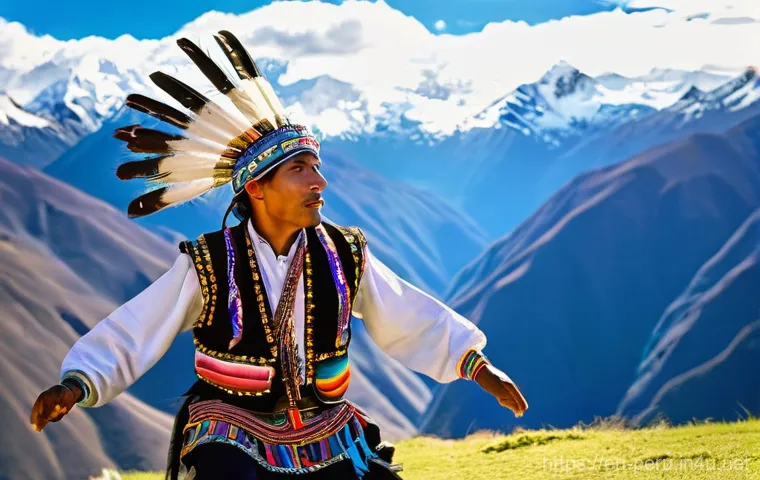
Peru’s soul, for me, is most profoundly expressed through its dances. It’s not just about the steps; it’s about the very pulse of the land, the mountains, and the ancient spirits that seem to guide every movement.
When I first witnessed some of these traditional performances, I felt an inexplicable connection, as if the earth itself was swaying and singing alongside the dancers.
These aren’t just spectacles for tourists; they are living, breathing narratives, passed down through generations, each rhythm carrying the weight of history and the joy of a resilient people.
You can literally feel the energy shift in the air, transforming a quiet square into a vibrant stage where centuries of culture unfold before your very eyes.
It’s an immersion that words can barely capture, a true sensory feast. I often tell my friends that if you want to truly understand Peru, you must watch its people dance.
It’s where their heart lies, open and expressive.
Echoes of Ancient Civilizations
Long before the Spanish arrived, indigenous communities throughout the Andes and along the coast had rich traditions of ceremonial and celebratory dances.
These movements weren’t just for entertainment; they were vital components of religious rituals, agricultural cycles, and social gatherings. Imagine communities gathered under the vast Andean sky, moving in unison to honor Pachamama (Mother Earth) or to pray for a bountiful harvest.
These dances were steeped in symbolism, with each gesture and costume element telling a part of an ancient story, connecting the present with a profound, spiritual past.
I remember watching a performance that felt so primal, so connected to the land, that it sent shivers down my spine. It wasn’t merely a performance; it felt like a direct channel to an ancestral world, a powerful reminder of the enduring legacy of civilizations like the Incas, whose influence still resonates deeply.
The Fusion of Cultures in Every Step
What makes Peruvian dance truly unique, in my opinion, is its incredible ability to absorb and integrate. The arrival of the Spanish conquistadors brought new instruments, melodies, and dance forms, which mingled with the existing indigenous traditions.
Later, the influence of African slaves brought vibrant, complex rhythms that added another exhilarating layer. This fusion created a dazzling array of dance styles, each a beautiful tapestry woven from diverse cultural threads.
You can see the indigenous reverence for nature, the Spanish elegance and storytelling, and the African vitality all playing together. It’s a dynamic interplay, a testament to Peru’s history as a melting pot.
I find it fascinating how a single dance can tell so many stories about cultural encounter and adaptation, showcasing how these disparate elements weren’t just thrown together but beautifully harmonized over centuries.
Where Elegance Meets Passion: Unveiling Peru’s Courtship Dances
There’s something truly magical about watching a courtship dance unfold. It’s a delicate balance of flirtation, pride, and longing, all expressed without a single spoken word.
Peru’s courtship dances, especially, have a way of drawing you into their narrative, making you feel every coy glance and every spirited flourish. It’s like watching a real-life romantic comedy playing out on a stage, full of charming subtleties and bold declarations.
As someone who appreciates both artistry and storytelling, these dances are always a highlight for me. They offer a window into the nuanced social interactions and expressive spirits of the Peruvian people, celebrating love and partnership in the most captivating ways.
You can almost feel the butterflies the dancers must be feeling, their emotions palpable in every step.
The Seductive Swirl of the Marinera
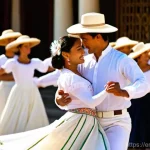
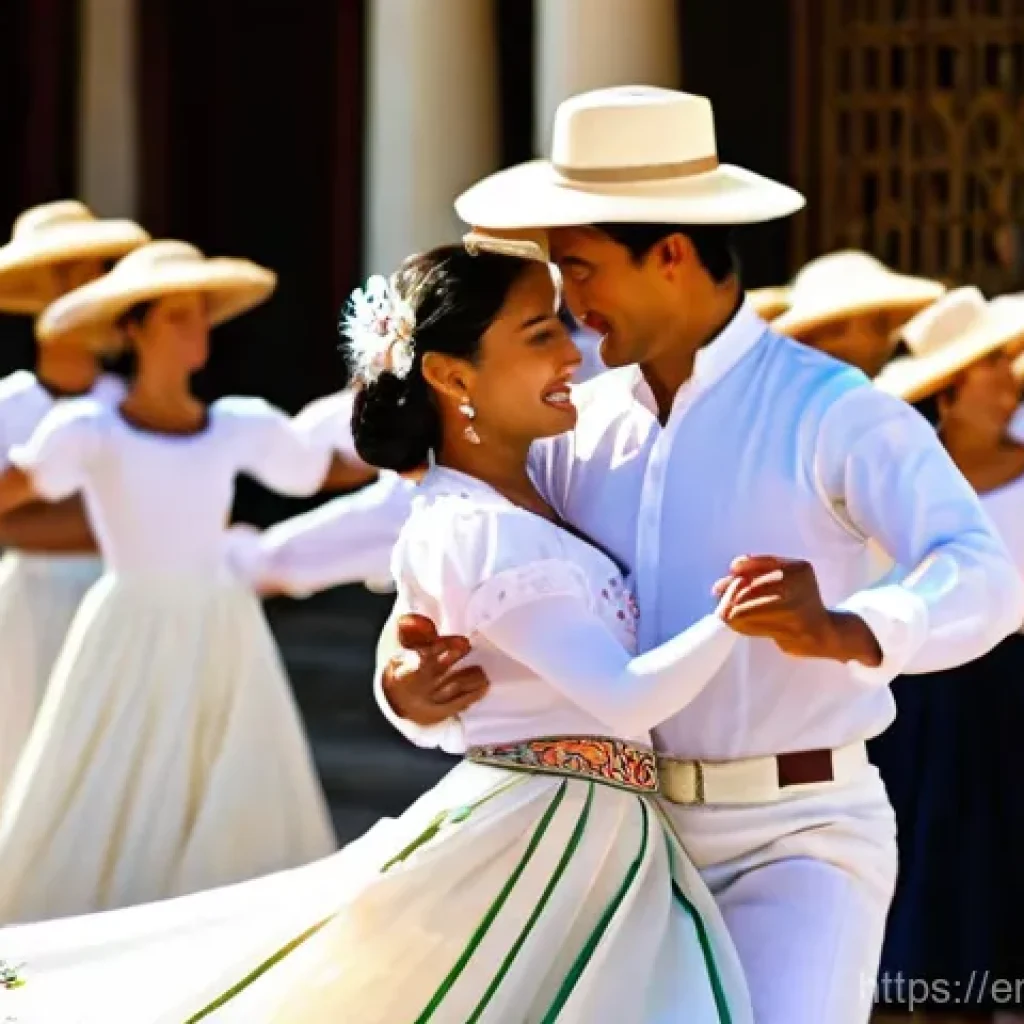
The Marinera is often called Peru’s national dance, and for good reason – it’s a breathtaking spectacle of grace, passion, and flirtation. I remember seeing it for the first time; the way the dancers moved with such effortless elegance, especially the women with their flowing skirts and the men with their proud demeanor, felt utterly captivating.
It’s a beautiful re-enactment of a courtship ritual, where the man and woman express their emotions through a series of handkerchief waves and intricate footwork.
The handkerchief isn’t just an accessory; it’s an extension of their emotions, a silent language of love and pursuit. What I particularly love about the Marinera is its regional variations.
Each region, be it Lima, Trujillo, or Arequipa, adds its own unique flavor, from the more classical, refined movements of Lima to the more robust and spirited styles of the north.
It’s a dance that truly celebrates the vibrant diversity within Peru itself.
Celebrating Love and Life Through Movement
Beyond the Marinera, Peru is home to a delightful array of courtship dances that vary by region, each offering its own unique charm and expressive style.
These dances often reflect the local customs and environments, incorporating elements that are specific to their communities. For instance, you might encounter dances that playfully mimic the movements of local animals or celebrate the bounty of a particular harvest season.
The beauty of these dances lies in their ability to convey complex human emotions – shyness, desire, joy, and playful competition – all through non-verbal communication.
They are not just about finding a partner; they are a celebration of community, life, and the enduring human spirit. It’s a wonderful reminder that love and connection are universal themes, expressed here with an infectious energy that is truly heartwarming.
A Symphony of Spirit: Dances That Connect Heaven and Earth
Some dances transcend mere performance and become a conduit to the spiritual realm. In Peru, I’ve witnessed how certain traditional dances are not just steps and music, but a profound form of prayer, a way for communities to interact with the sacred.
These performances are deeply moving, carrying an almost palpable energy that speaks of devotion, sacrifice, and a timeless connection to something larger than ourselves.
It’s in these moments that you truly understand the deep-rooted faith and cultural identity that define so much of Peruvian life. When the drums beat and the dancers move, it feels as though the veil between worlds thins, offering a glimpse into a profound spiritual heritage that continues to thrive.
The Mystical World of the Scissors Dance (Danza de Tijeras)
The Danza de Tijeras, or Scissors Dance, is perhaps one of the most enigmatic and awe-inspiring traditional dances you’ll ever encounter in Peru. Originating from the highland regions, particularly among the Quechua people, this dance is a breathtaking display of acrobatic skill, endurance, and deep spiritual significance.
The dancers, known as “Danzak,” perform incredible feats of agility, balance, and flexibility, often accompanied by the sharp, rhythmic clashing of two metal blades resembling scissors held in one hand.
It’s not just about the physical prowess, though that alone is incredible; these dancers are believed to be intermediaries between the spiritual world and their communities.
They undergo rigorous training, often involving spiritual preparation, and their performances are seen as offerings to mountain spirits and ancient deities.
When I first saw it, I honestly couldn’t believe my eyes; the sheer intensity and precision were mesmerizing, almost otherworldly.
Rituals and Reverence in Motion
Many Peruvian dances are deeply intertwined with religious and spiritual rituals, often predating the arrival of Christianity and later incorporating Catholic elements.
These dances serve various purposes, from warding off evil spirits and ensuring good harvests to honoring saints and ancestors. They are often performed during significant festivals, community gatherings, or specific seasonal events, transforming the entire village into a vibrant, living altar.
The costumes themselves are rich with symbolism, often featuring intricate embroidery, feathers, and masks that represent spirits, animals, or historical figures.
It’s a powerful visual language that speaks volumes about their beliefs and traditions. Witnessing these dances isn’t just about entertainment; it’s an opportunity to connect with a profound cultural heritage and understand the spiritual heartbeat of a nation.
From Battlefields to Celebrations: The Raw Power of Peruvian Movement
There’s an undeniable intensity in some Peruvian dances that harks back to ancient battles and heroic tales. It’s a raw, untamed energy that, for me, is absolutely thrilling to watch.
These dances aren’t just about grace; they’re about strength, resilience, and the spirit of defiance. You can feel the echoes of warriors and the pride of their communities in every powerful stomp and dramatic gesture.
It’s a reminder that dance can be much more than just a performance; it can be a living chronicle of a people’s struggles, triumphs, and enduring will.
I’ve often felt a surge of adrenaline just watching these, imagining the stories they tell from generations past.
The Fierce Energy of the Diablada
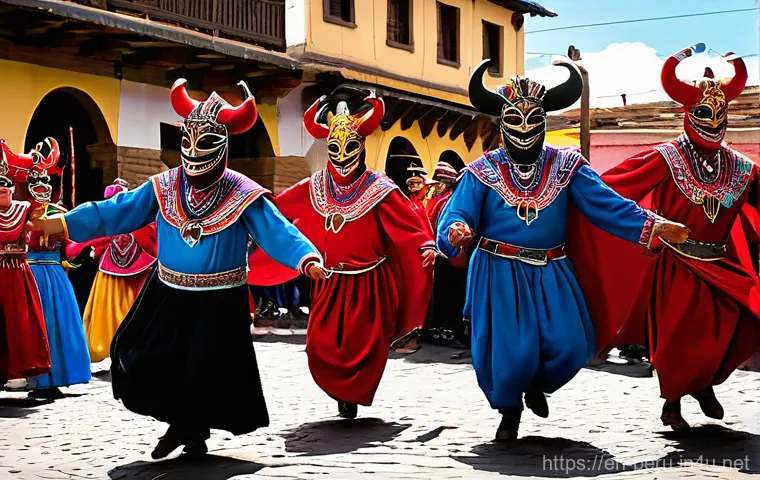
The Diablada, or “Dance of the Devils,” is one of those dances that absolutely grabs you by the collar and pulls you into its vibrant, almost chaotic energy.
While it’s particularly prominent in areas like Puno, especially during the Candeleria festival, its influence is felt across Peru. The dancers, dressed in elaborate, often terrifying devil masks and vibrant costumes, represent the eternal struggle between good and evil.
It’s an explosive, dynamic performance, full of jumps, stomps, and dramatic movements that mimic a battle. The sheer spectacle of the costumes – some incredibly intricate and heavy – combined with the fierce energy of the dancers, is unforgettable.
It’s loud, it’s theatrical, and it’s deeply rooted in both indigenous beliefs about underworld spirits and colonial-era morality plays.
Commemorating Valor and Victory
Many traditional dances in Peru also serve as historical commemorations, retelling stories of valor, resistance, and ultimately, victory. These aren’t just abstract tales; they are often based on real historical events, battles against invaders, or celebrations of community resilience.
Dancers embody historical figures, re-enacting pivotal moments with a blend of dramatic flair and traditional movements. These performances ensure that the memories of ancestors and their struggles are never forgotten, keeping the spirit of their heritage alive.
It’s a powerful way to pass down history, making it tangible and emotionally resonant for new generations. When you see these dances, you’re not just observing; you’re participating in a collective memory, a living testament to an enduring spirit.
Weaving Histories: How Dances Tell Tales of Heritage
What I find most extraordinary about Peruvian traditional dances is their unparalleled ability to act as living historical documents. Every costume, every step, every musical note is imbued with meaning, telling tales of eras long past, societal structures, and the very fabric of local communities.
It’s like unlocking an ancient library, but instead of dusty tomes, you get vibrant, moving art. These dances allow you to truly step back in time, offering a glimpse into the minds and hearts of people who lived centuries ago.
It’s a truly unique way to connect with history, far more engaging than any textbook I’ve ever read.
The Living Narratives in Each Performance
Each traditional dance in Peru carries with it a unique narrative, often reflecting aspects of daily life, significant historical events, or the distinct worldview of a particular community.
For example, some dances might depict agricultural practices, showing the cycle of planting and harvesting with symbolic movements, while others might satirize colonial figures or celebrate local heroes.
These narratives are not static; they evolve subtly over time, incorporating new elements while retaining their core identity. The beauty of it is that the story isn’t just told; it’s *lived* by the dancers, who embody the characters and emotions, making the history incredibly vivid and immediate.
It’s a masterclass in storytelling through movement, drawing you into their world completely.
Passing Down Traditions Across Generations
The preservation of these dances is a testament to the incredible dedication of Peruvian communities. Far from being relegated to history books, these traditions are actively taught and practiced, often from a very young age.
Children learn the steps, the rhythms, and the stories from their elders, ensuring that the cultural flame continues to burn brightly. I’ve seen grandmothers teaching their grandchildren the intricate footwork, their faces alight with shared joy and pride.
This intergenerational transmission isn’t just about preserving movements; it’s about safeguarding identity, values, and a profound connection to their roots.
It strengthens community bonds and fosters a deep sense of belonging, making these dances not just performances but vital threads in the fabric of their society.
Beyond the Steps: The Enduring Cultural Impact and Community Spirit
For me, the true magic of Peruvian traditional dances extends far beyond the stage or festival ground. They are a powerful force for cultural identity, community cohesion, and economic vitality.
It’s amazing to witness how these ancient art forms continue to thrive and evolve in the modern world, proving their timeless relevance. When you see how much these dances mean to the people, how they bring everyone together, you realize they’re more than just entertainment – they’re the very soul of a community.
I’ve often left a festival feeling not just entertained, but genuinely uplifted by the sheer communal spirit.
Preserving Identity in a Modern World
In an increasingly globalized world, traditional dances play a crucial role in preserving the unique cultural identity of Peruvian communities. They serve as a vibrant anchor to their heritage, distinguishing them from other cultures and reinforcing a sense of pride and belonging.
Through dance, the youth connect with their ancestral past, understanding where they come from and the rich tapestry of traditions that shaped them. It’s a powerful statement of self, a declaration that “this is who we are,” expressed through dynamic and beautiful movement.
I’ve heard countless stories from young dancers who feel a profound connection to their roots when they perform, a feeling that modern life can sometimes make elusive.
The Unifying Power of Dance Festivals
Peruvian festivals, often centered around these traditional dances, are phenomenal expressions of community spirit. They are not just holidays; they are intense, joyous celebrations where entire towns come alive.
People gather from far and wide, dressed in their finest, to witness and participate. These events foster a tremendous sense of unity, breaking down social barriers and bringing everyone together in a shared experience of culture and celebration.
Beyond the cultural significance, these festivals also play a vital role in local economies, attracting visitors and supporting artisans, musicians, and performers.
They are vibrant hubs of activity, proving that tradition can be a dynamic force for both cultural preservation and economic vitality.
| Dance Name | Region(s) of Origin | Key Characteristics / Significance |
|---|---|---|
| Marinera | Coastal regions (especially Trujillo, Lima) | Elegant courtship dance with handkerchiefs, symbolizing flirtation and romance. Features graceful turns and intricate footwork. |
| Danza de Tijeras | Andean highlands (Ayacucho, Huancavelica, Apurímac) | Acrobatic, spiritual dance performed by “Danzak” with scissors, connecting the physical and spiritual worlds. Known for incredible physical feats. |
| Diablada | Southern Andes (Puno, shared with Bolivia) | “Dance of the Devils” symbolizing the struggle between good and evil. Features elaborate devil masks and vibrant, forceful movements. |
| Huayno | Andean highlands | Widely popular folk dance with indigenous roots, often performed in pairs or groups, celebrating everyday life, love, and community. |
| Wititi | Colca Canyon (Arequipa) | Courtship dance where men wear female clothing to “steal” women for marriage. Recognized by UNESCO as Intangible Cultural Heritage. |
Wrapping Up
And there you have it, folks! My journey through the incredible world of Peruvian traditional dances has been nothing short of inspiring. It’s truly amazing how each step, every melody, and vibrant costume tells a story, weaving together history, spirituality, and the sheer joy of a resilient people. If there’s one takeaway from my experiences, it’s that these dances are the beating heart of Peru, offering a profound connection to its soul that you simply won’t find anywhere else. Don’t just observe; truly feel the rhythm!
Handy Tips for Your Dance Journey
1. Time Your Visit: To catch the most spectacular dance festivals, plan your trip around major celebrations like La Candelaria in Puno (February) or Inti Raymi in Cusco (June). These are when the traditions truly come alive with immense energy!
2. Seek Local Experiences: While big shows are great, don’t shy away from smaller, local performances in villages or community centers. Often, these are where you’ll find the most authentic and heartwarming expressions of traditional dance.
3. Understand the Symbolism: Take a moment to learn about the meaning behind the costumes, movements, and music. A little background knowledge can transform a visual spectacle into a deeply moving cultural experience.
4. Respect the Culture: Remember that many of these dances have deep spiritual or historical significance. Be a respectful observer, ask for permission before taking close-up photos, and appreciate the tradition they represent.
5. Engage with Locals: Don’t be afraid to strike up a conversation with performers or locals at festivals. Their stories and insights will enrich your understanding and make your experience even more memorable, plus you might learn some steps!
Key Takeaways
Peruvian traditional dances are far more than mere entertainment; they are living narratives reflecting the nation’s rich tapestry of indigenous, Spanish, and African influences. Each dance serves as a powerful conduit for storytelling, cultural preservation, and spiritual connection, passed down through generations. They showcase incredible human experiences, from vibrant courtship rituals to fierce commemorations of valor, and foster a profound sense of community and identity. Engaging with these performances offers an unparalleled opportunity to truly feel the heartbeat of Peru.
Frequently Asked Questions (FAQ) 📖
Q: What are some of the most iconic Peruvian traditional dances that truly capture the country’s spirit?
A: Oh, you’re in for such a treat! When I think of Peru’s vibrant soul, a few dances immediately spring to mind, each a testament to its rich history and passionate people.
My absolute favorite, and perhaps the most famous, is the Marinera. It’s the national dance, and it’s pure elegance and playful romance. Watching a couple dance the Marinera with their handkerchiefs, swirling and twirling as if in a courtship ritual, is utterly captivating.
I remember seeing it for the first time as a child, and I was just mesmerized by the grace and flirtation. Then there’s the breathtaking Danza de Tijeras, or “Scissor Dance,” from the high Andes.
This one is seriously intense! The dancers, known as ‘danzak,’ perform incredible acrobatic feats while clicking together a pair of metal ‘scissors,’ all accompanied by a violin and harp.
It’s deeply spiritual, almost mystical, and rooted in ancient indigenous traditions. The sheer athleticism and the spiritual connection these dancers have with the ‘apus’ (mountain spirits) is something you truly have to see to believe.
And of course, you can’t talk about Peruvian dance without mentioning the lively Huayno. This is the heart of the Andean communities, a joyous, communal dance that’s all about celebration, often performed at festivals and social gatherings.
It’s incredibly infectious, and I’ve found it nearly impossible not to tap my feet along with the rhythm! Each one offers a unique window into the Peruvian heart.
Q: What deeper meanings or stories do these traditional dances convey about Peruvian culture and history?
A: That’s a fantastic question, because these dances are so much more than just steps and music; they’re living narratives, echoing centuries of Peruvian history and cultural identity.
Take the Marinera, for example. While it looks like a beautiful courtship dance on the surface, it’s a brilliant fusion of Spanish colonial influences – think the elegance of the minuet – with the indigenous ‘zapateo’ footwork and even African rhythms.
It tells a story of cultural mixing and resilience, a playful yet powerful expression of Peruvian identity. It’s like a conversation between cultures, all wrapped up in a beautiful dance.
The Danza de Tijeras, on the other hand, delves much deeper into pre-Hispanic spiritual beliefs. It’s not just a performance; it’s a sacred ritual, often performed to honor mountain deities and ensure good harvests.
The dancers are believed to be intermediaries between the human and spirit worlds, embodying a profound connection to nature and ancient wisdom. When I see it, I feel a tangible link to something ancient and powerful.
And the Huayno, with its vibrant communal energy, speaks volumes about the enduring spirit and joy of the Andean people. It’s a celebration of life, community, and identity in the face of hardship, a rhythmic expression of their everyday lives, hopes, and dreams.
Each dance is a historical document, a cultural statement, and a deeply emotional experience rolled into one.
Q: Where can travelers best experience these traditional Peruvian dances firsthand when visiting the country?
A: Oh, you absolutely must experience these dances in person; it’s a game-changer! Luckily, Peru offers countless opportunities to dive into this vibrant world.
My top recommendation would be to seek out a traditional “peña” show, especially in cities like Lima, Cusco, or Arequipa. These are often dinner shows where you can enjoy authentic Peruvian cuisine while watching professional dancers perform a variety of dances, including the Marinera and Huayno.
I’ve found that these peñas offer a wonderful, intimate introduction. If you’re visiting during a major festival, you’re in for an even bigger treat! Festivals like Inti Raymi in Cusco or the Virgen de la Candelaria in Puno are absolute explosions of dance, music, and color, where entire communities participate.
You’ll see elaborate costumes and incredible energy. I’ve personally been swept up in the crowd during a festival in Cusco, and the atmosphere was electrifying – everyone was dancing!
For the more adventurous, look for local community events or even smaller, unadvertised performances. Sometimes, just walking through a town square, especially on a Sunday, you might stumble upon an impromptu performance or a local celebration.
Don’t be shy; ask locals for their recommendations! They often know the best hidden gems where the true spirit of Peruvian dance shines brightest. It’s all about immersing yourself and letting the rhythm take over!