Alright, globetrotters and culture enthusiasts, let’s talk about something incredibly practical but often overlooked when planning that dream trip to Peru: the local currency!
I’ve been fortunate enough to explore some of Peru’s breathtaking landscapes, from the bustling streets of Lima to the ancient wonders of Machu Picchu, and trust me, knowing your way around their money, the Sol (S/), is a game-changer.
It’s not just about exchange rates; it’s about understanding when to use cash versus card, finding the best ATMs, and navigating local markets like a pro.
In today’s fast-paced travel world, with digital payments growing and exchange rates constantly fluctuating, staying informed is key to a smooth and enjoyable adventure.
Ready to unlock all the secrets to handling your finances effortlessly in Peru? Let’s get into the specifics right now!
Navigating the Cash vs. Card Conundrum
When I first touched down in Lima, I was so excited that I almost forgot to think about how I’d actually pay for things! This is where the age-old cash versus card debate really comes into play in Peru, and honestly, it’s not as straightforward as you might think.
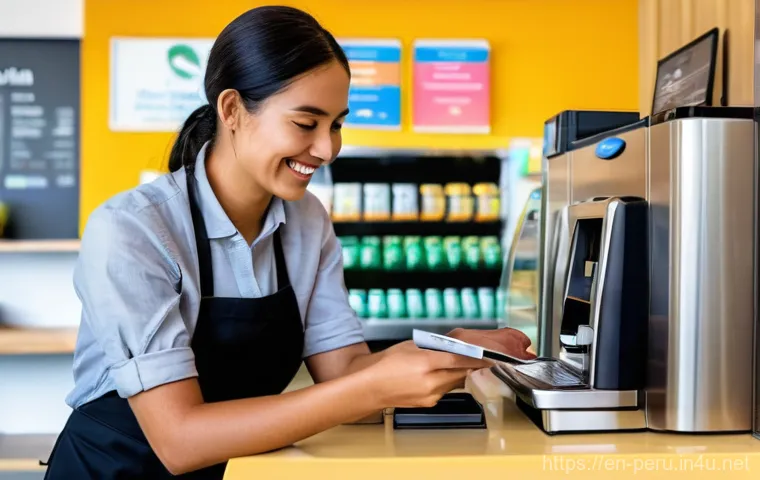
While many of the fancier restaurants and larger hotels in major cities like Cusco or Arequipa will gladly accept your credit or debit card, especially Visa, MasterCard, and sometimes American Express, venture a little off the beaten path, or even just into a local market, and cash becomes king.
I quickly learned that having a good stash of Peruvian Soles in smaller denominations was absolutely crucial for everything from paying for a quick taxi ride to buying those incredible artisanal crafts you find in Pisac.
There’s nothing worse than trying to pay for a 10 Sol souvenir with a 100 Sol note and getting that look from the vendor – believe me, I’ve been there!
It’s all about striking a balance; don’t carry too much cash to avoid being a target, but always have enough for daily essentials and those charming local purchases where cards just aren’t an option.
When to Flash the Plastic
For larger purchases, booking tours through established agencies, or dining in more upscale establishments, your card is generally fine. I’ve found that using a travel-friendly credit card with no foreign transaction fees is a lifesaver, as those small percentages can really add up over a long trip.
Just make sure to inform your bank before you travel to avoid any annoying holds on your card. It’s also a good idea to have a backup card, just in case one gets lost or compromised – a lesson I learned the hard way on a previous trip, though thankfully not in Peru!
Always keep an eye on your card and make sure you’re present when transactions are being processed.
The Reign of Ready Money
For day-to-day expenses, especially outside of the tourist hubs, cash is simply indispensable. Think street food, local buses, smaller shops, and almost all transactions in markets.
I always made sure to break down larger notes whenever I could, like when paying for a meal in a proper restaurant, so I’d have plenty of 10 and 20 Sol notes for smaller buys.
Tipping tour guides, drivers, and even restaurant staff is also predominantly done with cash, and it’s always appreciated. It just makes everything smoother, and you’ll feel much more like a local.
ATM Adventures: Where to Find Your Soles
Ah, ATMs – your lifeline to the local currency, but they can also be a source of frustration if you’re not careful. Throughout my journeys in Peru, I’ve used countless ATMs, and I’ve picked up a few crucial tips.
First off, always aim for ATMs inside or directly attached to banks during banking hours. These are generally safer and, should something go wrong (like a card getting swallowed, heaven forbid!), you have immediate recourse.
Brands like BCP (Banco de Crédito del Perú), Scotiabank, BBVA, and Interbank are common and reliable. I distinctly remember once trying to use a standalone ATM late at night and feeling a bit uneasy, so sticking to well-lit, busy areas, especially during the day, is just plain smart.
Always be aware of your surroundings, cover your hand when entering your PIN, and avoid accepting help from strangers, no matter how friendly they seem.
Beware the ATM Fees
This is where things can get a little sneaky. Most Peruvian banks will charge a fee for foreign card withdrawals, and your home bank might charge one too!
Before you leave, check with your bank about their international ATM fees and any potential partnerships. Sometimes, certain Peruvian banks might have lower fees than others, but it varies.
I usually tried to withdraw larger sums less frequently to minimize the impact of these fees, rather than making small, multiple withdrawals. This might mean carrying a bit more cash for a day or two, but it definitely saves you a few soles in the long run.
Daily Limits and Security
It’s also important to be aware of daily withdrawal limits, which can be lower than what you’re used to back home. Some ATMs might cap withdrawals at around S/400-S/700 per transaction, and you might be limited to a total daily withdrawal as well.
This is another reason to plan your cash needs. And on the security front, beyond watching your back, always give the card slot and keypad a quick jiggle before using them – just a little check for any skimming devices.
It sounds a bit paranoid, but it’s a habit I’ve developed that brings peace of mind.
Haggling, Tipping, and Local Market Magic
Stepping into a Peruvian market is an experience for all the senses – the vibrant colors, the incredible smells, the chatter of vendors! And it’s here that understanding a bit of local etiquette around money can truly elevate your experience.
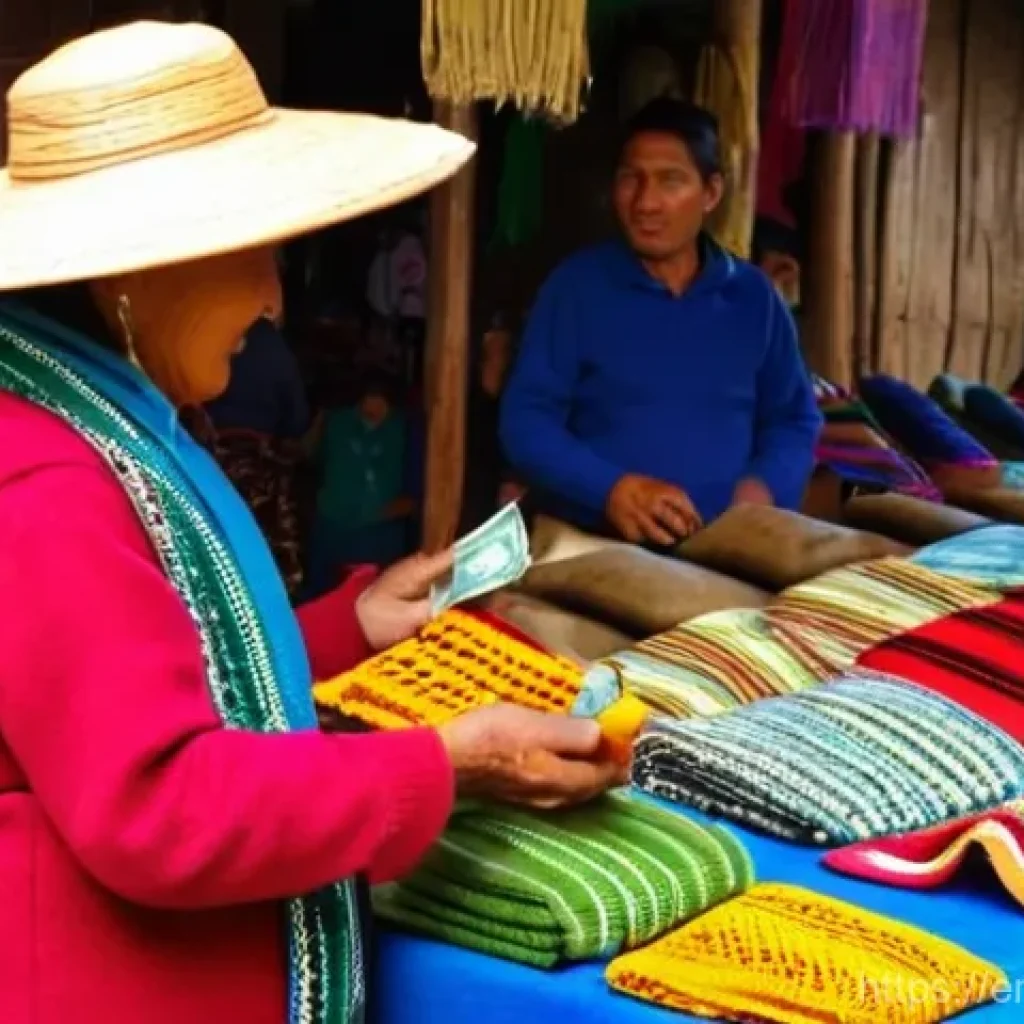
While haggling isn’t expected everywhere, it’s definitely part of the fun in artisanal markets. I remember my first time trying to negotiate for a alpaca sweater in Cusco; it felt awkward at first, but with a friendly smile and a few basic Spanish phrases, it became a delightful exchange.
Knowing when and how to tip also shows respect and ensures fair compensation for excellent service.
The Art of the Deal in Markets
For items like souvenirs, clothing, or crafts in dedicated artisanal markets, don’t be afraid to politely negotiate the price. Start by offering about 10-20% less than the asking price and work your way up.
Keep it light-hearted and never be aggressive. If a vendor won’t budge, just thank them and move on – another stall might offer a similar item. This isn’t usually the case for food or everyday items in grocery stores or local eateries, where prices are generally fixed.
From my experience, a little friendly banter and genuine interest in their craft can go a long way in getting a fair price.
Tipping Etiquette Unpacked
Tipping in Peru isn’t as rigidly structured as in some other countries, but it’s always appreciated for good service. For restaurant staff, a 10% tip is generally considered good.
Many fancier places might include a service charge, but it’s still common to leave a small cash tip on top if you were happy. For tour guides, I usually factored in S/10-S/20 per person per day, depending on the length and quality of the tour.
Taxi drivers don’t typically expect a tip; simply rounding up to the nearest sol is fine. For hotel porters, S/2-S/5 per bag is a nice gesture. Always tip in Soles, as foreign currency can be difficult for locals to exchange.
Budgeting Like a Pro: Making Your Money Last
Let’s be real, a dream trip doesn’t have to break the bank, and effective budgeting in Peru is totally achievable. When I planned my first extended trip there, I spent a good chunk of time figuring out where my money would go, and it made such a difference in how relaxed I felt about my finances while exploring.
It’s about setting realistic expectations and making smart choices, not necessarily about cutting corners on experiences you truly want. Having a clear daily budget, even if it’s just a rough estimate, helps immensely in preventing those “where did all my money go?” moments.
Daily Spending Averages to Consider
To give you a rough idea, here’s a quick breakdown of what you might expect for daily expenses. Keep in mind these are just averages, and your style of travel will dictate your actual spending.
This table really helped me visualize my potential costs and adjust accordingly, prioritizing what was most important to me – usually, that meant more funds for experiences and less for super high-end dining.
| Category | Budget Traveler (per day) | Mid-Range Traveler (per day) | Luxury Traveler (per day) |
|---|---|---|---|
| Accommodation | $15 – $30 (hostels, budget guesthouses) | $40 – $100 (mid-range hotels, boutique stays) | $150+ (luxury hotels, resorts) |
| Food | $10 – $20 (local markets, street food, menú del día) | $25 – $50 (casual restaurants, some finer dining) | $60+ (gourmet restaurants, extensive dining) |
| Transportation (local) | $5 – $10 (buses, colectivos, some taxis) | $10 – $25 (taxis, some private transfers) | $30+ (private transfers, internal flights) |
| Activities/Tours | $15 – $40 (entry fees, budget tours) | $50 – $100 (standard tours, some adventure activities) | $100+ (private tours, exclusive experiences) |
| Miscellaneous | $5 – $10 (souvenirs, small purchases) | $10 – $20 (shopping, incidentals) | $25+ (upscale shopping, personal care) |
Smart Spending Habits
My biggest tip for sticking to a budget is to embrace local life. Eating at a “menú del día” (set lunch menu) at a local restaurant is incredibly delicious, authentic, and unbelievably cheap.
Seriously, you can get a two or three-course meal for less than $5 in many places! Also, instead of always grabbing a taxi, try using local buses or “colectivos” (shared vans) for short distances – they’re an experience in themselves and much cheaper.
I also found that planning my souvenir purchases towards the end of my trip in bigger markets allowed me to compare prices and avoid impulse buys.
Digital Wallets and Online Payments: A Modern Traveler’s Take
While Peru is definitely a cash-friendly country, the digital payment landscape is slowly but surely evolving. I always keep an eye out for these options, especially in more modern settings, because sometimes the convenience is just unbeatable.
It’s not quite as ubiquitous as in some highly digitalized nations, but you’ll find pockets where it’s not only accepted but sometimes even preferred.
Having these options can be a great backup and a way to manage your spending more easily, especially if you’re trying to minimize the amount of physical cash you carry around.
The Rise of Apps and Contactless
In larger cities like Lima, you’ll find that some cafes, modern shops, and even some taxi services (especially app-based ones like Uber or InDriver) accept digital payments.
I’ve personally used my phone for contactless payments in a few higher-end supermarkets, which was surprisingly convenient. While not every small vendor will have a QR code reader, keep an eye out for Yape or Plin, which are popular mobile payment apps used by many Peruvians for quick, small transactions.
If you happen to be traveling with local friends, they might use these regularly, and it’s fascinating to see how integrated they are into daily life.
Prepaid Travel Cards and Online Bookings
Prepaid travel cards loaded with USD (or even Peruvian Soles if available) can be a great way to lock in an exchange rate and manage your travel budget.
These often come with lower fees than traditional debit cards for international withdrawals and purchases. For booking accommodations, tours, or even inter-city bus tickets online before or during your trip, credit cards are universally accepted.
I always tried to book my larger excursions and hotel stays in advance through reputable online platforms, partly for peace of mind and partly to leverage any online discounts.
This also helps with budgeting, as those big-ticket items are out of the way before you even set foot in Peru.
Unexpected Costs and How to Prepare for Them
No matter how meticulously you plan, travel always throws a few curveballs. I’ve learned that expecting the unexpected is part of the adventure, and when it comes to money, it’s always wise to have a little buffer.
Peru, with its diverse landscapes and incredible experiences, can sometimes present hidden costs that can catch you off guard if you’re not prepared. From minor medical emergencies to unforeseen travel changes, having a financial safety net can turn a potential headache into a minor hiccup.
Altitude Sickness Remedies and Travel Insurance
One of the most common unexpected costs, especially for those venturing to Cusco, Puno, or the highlands, is dealing with altitude sickness. While coca tea is often offered freely, sometimes you might need medication like Soroche pills, which are readily available at pharmacies and can add up.
More importantly, having good travel insurance is non-negotiable. I can’t stress this enough! On one trip, a friend had a minor accident, and having insurance meant we didn’t have to worry about exorbitant medical bills.
It covers everything from medical emergencies to trip cancellations and lost luggage, giving you immense peace of mind. Always read the fine print to know exactly what’s covered.
Exit Fees and Incidental Purchases
While many airlines now include international departure taxes in your ticket price, it’s always worth double-checking for any specific exit fees, especially if you’re traveling regionally or on smaller domestic airlines.
I’ve heard stories of travelers being surprised by these at the airport, so a quick check beforehand can save you stress. Beyond that, think about incidental purchases – an extra bottle of water on a hike, a small snack from a street vendor, a public restroom fee (yes, sometimes they charge a small amount).
These little things add up, so having a small daily allowance for them keeps your main budget on track. It’s these small, often forgotten expenses that can slowly drain your wallet if you don’t account for them.
Keeping Your Cash Safe and Sound
Let’s talk about something incredibly important: keeping your hard-earned Soles and valuable documents secure while you’re enjoying all that Peru has to offer.
I’ve always been a firm believer that a little vigilance goes a long way, and while Peruvians are incredibly warm and welcoming, like any popular travel destination, petty theft can occur.
It’s not about being paranoid, but about being smart and proactive so you can fully immerse yourself in the experience without constant worry. My approach is always to blend in and be discreet, making myself less of a target.
The Art of Discrete Carrying
Forget flashing large wads of cash or wearing expensive jewelry; that’s just inviting trouble. I personally swear by a good money belt or a neck wallet worn under my clothes.
It’s not the most fashionable accessory, but it keeps my passport, main cash stash, and extra credit card completely out of sight and reach. For daily spending, I only carry a small amount of cash in an easily accessible but secure front pocket, along with one debit card.
Leave your second credit card and the bulk of your cash securely locked in your hotel safe. That way, if your day bag is pickpocketed, you haven’t lost everything.
Vigilance in Crowded Places and on Public Transport
Crowded markets, bus stations, and busy city squares are prime locations for pickpockets. My advice? Be extra aware of your surroundings, especially if you feel someone bumping into you or trying to distract you.
On public transport, keep your backpack on your lap or between your feet, not on your back, where it’s an easy target. I remember once being on a crowded bus in Lima and noticing someone trying to subtly open my friend’s backpack.
A quick, firm look was enough to deter them. Trust your gut feeling; if a situation feels off, it probably is. Staying alert and making eye contact with people shows you’re aware, which can be a deterrent in itself.
Wrapping Up Our Money Talk in Peru
Well, what an adventure we’ve had, diving deep into the fascinating world of managing your money in Peru! It truly boils down to finding that sweet spot between the convenience of plastic and the absolute necessity of good old cash. I’ve personally navigated these waters, making a few blunders along the way, but ultimately learning that a little preparation goes a long, long way. My biggest takeaway? Embrace the local way of life, be smart about your security, and don’t let the small stuff overshadow the incredible experiences this country offers. You’re now equipped with the insider knowledge to make your financial journey in Peru as smooth and enjoyable as possible, leaving you more time to soak in the stunning landscapes and vibrant culture.
Useful Information for Your Journey
Navigating the financial landscape of a new country can feel like a maze, but with these nuggets of wisdom, you’ll be strolling through Peru like a seasoned pro. These are the kinds of tips I wish I’d had on my very first trip, and I’ve seen them make a huge difference for fellow travelers. It’s all about being prepared, informed, and ready to adapt, which, let’s be honest, is half the fun of traveling!
1. Always Carry Small Bills
This is probably the most crucial piece of advice I can offer. Seriously, I can’t stress it enough! While it might feel natural to withdraw large sums, breaking down those big S/100 notes can be a real challenge in smaller shops or for taxi rides. Vendors often don’t have enough change, and you’ll find yourself in awkward situations. So, whenever you get the chance—after a restaurant meal, for example, where you’ve paid with a larger bill—ask for your change in S/10s and S/20s. These denominations are your best friends for street food, market purchases, and quick transportation. Trust me, it makes daily life so much smoother and less stressful.
2. Notify Your Bank Before You Go
Picture this: you’ve just arrived, you’re trying to withdraw cash for your first delicious meal, and your card gets declined. Nightmare, right? I’ve seen it happen to others, and it’s easily avoidable! Before you even pack your bags, make a quick call to your bank or set up a travel notification online for all your debit and credit cards. Let them know your travel dates and the countries you’ll be visiting. This simple step prevents your bank from flagging your international transactions as suspicious activity and temporarily freezing your card. It’s a small administrative task that saves a massive headache down the line, ensuring uninterrupted access to your funds.
3. Prioritize Bank ATMs for Safety
When it’s time to replenish your cash supply, make a beeline for ATMs located inside or directly attached to established banks, and ideally, during business hours. While standalone ATMs are common, they can sometimes be more vulnerable to skimming devices, and in case of a problem (like a swallowed card), you’ll have immediate assistance from bank staff. I personally always feel a lot more secure using ATMs in well-lit, busy areas, especially during the day. Major banks like BCP, Scotiabank, and BBVA are reliable choices. Always be vigilant of your surroundings, and discreetly cover the keypad when entering your PIN.
4. Embrace the “Menú del Día”
If you’re looking to savor authentic Peruvian flavors without emptying your wallet, the “menú del día” is your secret weapon. This is a set lunch menu offered by most local restaurants, typically consisting of a soup or appetizer, a main course, and often a drink or dessert, all for an incredibly low price—sometimes less than $5! I’ve had some of my most delicious and memorable meals this way, dining alongside locals and truly immersing myself in the culinary culture. Not only is it budget-friendly, but it’s also a fantastic way to try a variety of traditional dishes you might not otherwise order. It’s a genuine experience that my taste buds (and my budget) always appreciated.
5. Travel Insurance is Non-Negotiable
I know, I know, it’s not the most exciting part of trip planning, but travel insurance is genuinely a lifesaver. On one of my trips, a fellow traveler had an unexpected medical issue, and having good insurance meant they received excellent care without the added stress of exorbitant bills. Beyond medical emergencies, it can cover trip cancellations, lost luggage, and even unexpected delays. Think of it as your financial safety net for the unpredictable twists and turns of travel. Investing in comprehensive travel insurance provides immense peace of mind, allowing you to fully enjoy your Peruvian adventure knowing you’re covered for whatever comes your way.
Quick Recap for a Seamless Trip
Alright, let’s condense everything we’ve learned into a few power-packed points to keep at the forefront of your mind as you explore Peru. My goal is always to empower you with information, making your travel experience as smooth and enjoyable as possible. Keep these essentials in mind, and you’ll be set for an incredible journey:
Cash is King for Local Life
Remember that local markets, street vendors, small shops, and many taxi rides operate almost exclusively on cash, especially in smaller denominations. Always keep a healthy supply of Peruvian Soles in your secure money belt for these everyday essentials. Don’t be caught short when that perfect souvenir or delicious street snack calls your name!
Cards for Convenience and Security
Your credit and debit cards are perfect for larger expenses such as established hotels, upscale restaurants, major tour bookings, and emergency situations. Using a no-foreign-transaction-fee card is a smart move, but always have a backup and inform your bank of your travel plans. This balance between cash and card use is crucial for both flexibility and security.
Smart ATM Usage Saves Soles
Be strategic with your ATM withdrawals to minimize fees. Plan to take out larger amounts less frequently, and always prioritize ATMs located inside secure bank branches during daylight hours. A quick check of your surroundings and the card slot for any tampering devices should become a habit for peace of mind.
Budgeting Builds Bliss
Having a clear, even if flexible, daily budget will make a huge difference in managing your finances. Factor in accommodation, food, local transport, activities, and a buffer for unexpected costs. Embracing local experiences, like the “menú del día,” can significantly stretch your travel budget without compromising on authenticity.
Safety First, Always
Protecting your money and important documents is paramount. Utilize a money belt, keep valuables out of sight, and only carry what you need for the day. Be extra vigilant in crowded areas and on public transport. A little common sense and awareness go a very long way in ensuring your focus remains on enjoying the breathtaking beauty and culture of Peru, rather than worrying about your belongings.
Frequently Asked Questions (FAQ) 📖
Q: In Peru, should I rely more on my credit cards or make sure I have plenty of cash (Sols)?
A: This is such a common question, and one I’ve grappled with on almost every trip! From my own adventures through Peru, I’ve found that it’s truly a balancing act, but with a slight lean towards having enough cash.
Think of it this way: your trusty credit card will be your best friend in larger establishments. Most decent-sized hotels, many restaurants in major tourist hubs like Cusco, Lima, or Arequipa, and big supermarkets will happily swipe your card.
However, the moment you step off the main drag, or dive into those charming local markets, hop into a taxi, or grab some incredibly delicious street food, cash is king.
I’ve personally encountered countless small shops, local eateries, and even some tour operators that are strictly cash-only. Plus, carrying smaller denominations of Sols makes things so much smoother, as larger bills can sometimes be a hassle for small vendors to break.
Always ask if they accept cards before you order or buy, as some places might surprise you with a card machine, but never assume. And let’s be honest, sometimes those card processing fees they add on can be a bit of a sting!
So, my golden rule is to always have a decent stash of Sols for daily expenses and smaller purchases, keeping your card for bigger splurges or emergencies.
It truly makes for a more seamless and less stressful experience.
Q: What’s the smartest way to get Peruvian Sol (S/) once I arrive, and are
A: TMs safe to use? A2: Great question, and one that’s super important for peace of mind! My go-to method for getting Sols is usually via ATMs.
They’re widely available in major cities and towns, and generally, they’re quite safe, especially if you stick to some common-sense rules. I always aim for ATMs inside banks, at airports, or in well-lit, busy areas during the daytime.
Just like anywhere else, it’s wise to be aware of your surroundings, cover your PIN, and check the card slot for any suspicious devices – though I’ve personally never had an issue there.
Regarding fees, expect your home bank to charge a foreign transaction fee, and many Peruvian ATMs will also add a small surcharge. Banks like BCP, BBVA Continental, and Scotiabank are common.
Some might offer a better exchange rate than others, or have different withdrawal limits. I’ve found it helpful to withdraw larger amounts less frequently to minimize fixed ATM fees.
Another solid option is exchanging currency at “Casas de Cambio” (exchange houses). You’ll see them all over the main tourist areas. They often offer very competitive rates, and I’ve used them many times without a hitch.
Just make sure to compare rates between a few places before committing. Please, for your own safety and to avoid being ripped off, never exchange money with people on the street, no matter how good the rate sounds.
Q: When I’m exploring Peru’s vibrant local markets and dealing with street vendors, how should I manage my money and payments?
A: Oh, the local markets in Peru are an absolute highlight for me – such an explosion of colors, smells, and incredible crafts! When you’re diving into these wonderful places, my biggest piece of advice is: cash is absolutely essential, and small bills are your best friend.
Forget about whipping out your credit card; these vendors operate almost exclusively on cash. I always make sure I have a good mix of 10, 20, and 50 Sol notes.
Trying to pay for a 5-Sol alpaca keychain with a 100-Sol bill is just going to earn you a frustrated look! On the topic of pricing, bargaining is definitely a part of the culture, especially in craft markets.
It’s not like haggling over a car, but more of a friendly back-and-forth. I usually start by offering a bit less than the asking price, and we meet somewhere in the middle.
It’s all part of the fun and interaction! Just remember to be polite and respectful. Another little tip from my own experience: always double-check your change.
It’s not about mistrust, but sometimes in the hustle and bustle, honest mistakes happen. And finally, keep your money secure. I prefer a money belt or a cross-body bag worn to the front in crowded market settings.
These markets are an incredibly authentic part of the Peruvian experience, and handling your money wisely means you can enjoy them without a worry in the world.