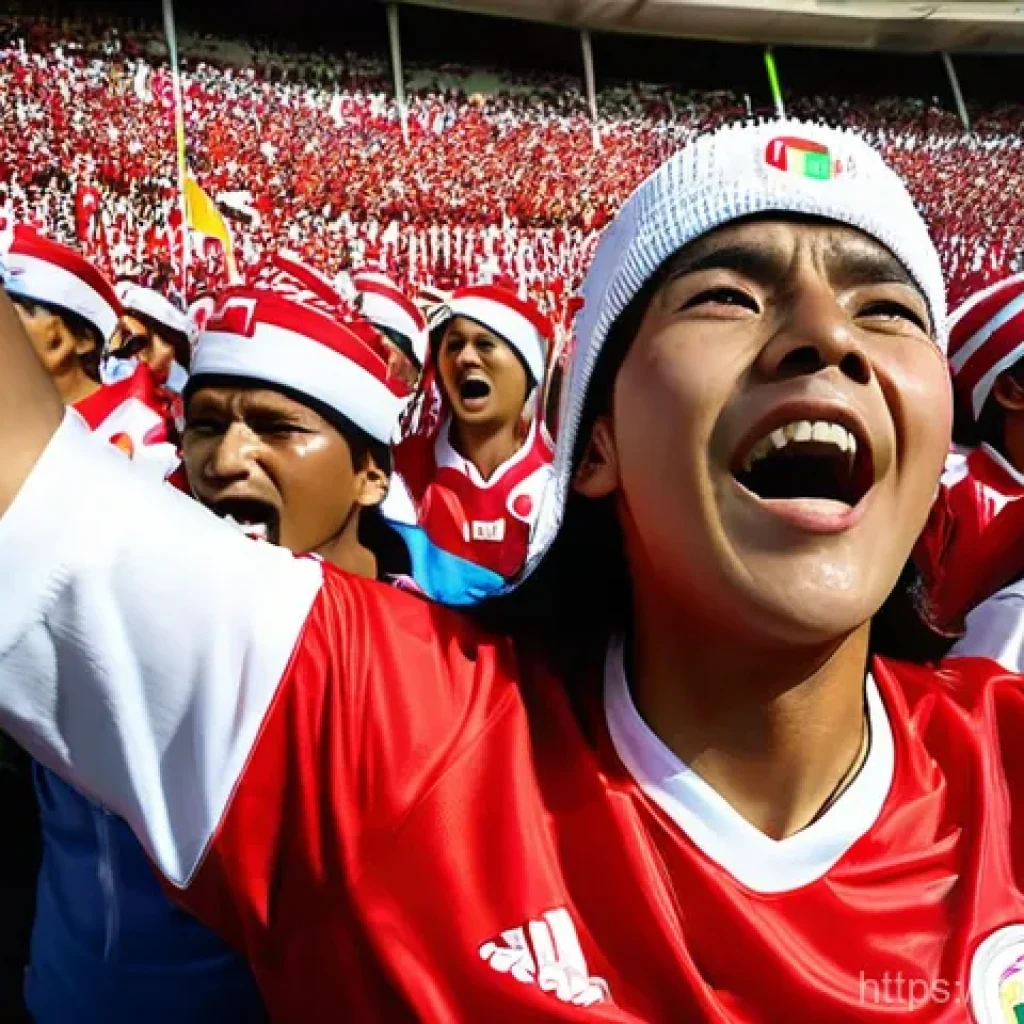
Have you ever wondered what truly makes a nation tick? For many countries, it’s their history, their food, or their stunning landscapes. But in Peru, my friends, it’s something else entirely—it’s the electrifying roar of the crowd, the vibrant jerseys, and the sheer, unadulterated passion for *fútbol*.
I’ve traveled quite a bit, but I can honestly say there’s a unique kind of magic in the air when a match is on in Peru, whether it’s the national team playing or a local derby.
It’s more than just a game; it’s a heartbeat, a shared identity, and a profound cultural expression that weaves its way through every corner of society.
From the bustling streets of Lima to the highest Andean villages, football unites, divides, and inspires in equal measure, creating stories that are passed down through generations.
It’s a testament to resilience, joy, and the unwavering spirit of a people who pour their hearts onto the pitch. Trust me, once you experience it, you’ll understand why this beautiful game holds such a sacred place here.
Let’s dive deeper into what makes Peruvian football culture so utterly captivating.
The Heartbeat of a Nation: Passion on the Pitch
Stepping into Peru, you don’t just visit a country; you immerse yourself in a rhythm unlike any other, and much of that beat comes from its undeniable love for football. It’s truly something else, and from the moment I first experienced it, I knew this wasn’t just a sport here – it’s a profound way of life. When a match is on, especially involving the national team, the entire country seems to hold its breath collectively. You can feel the anticipation building hours before kick-off, a palpable buzz in the air that’s almost electric. Then, with the first whistle, a different kind of energy takes over; every pass, every tackle, every shot on goal is met with a symphony of gasps, groans, and roars that echo from bustling city streets to quiet Andean villages. It’s an emotional rollercoaster, and being caught up in that shared experience is frankly, addictive. It’s not just about winning or losing; it’s about sharing that intensely human experience, those moments of pure, unadulterated joy or profound, collective sorrow that forge an unbreakable bond among strangers. This visceral connection to the game is what makes Peruvian football so uniquely captivating, a testament to how deeply ingrained it is in the national psyche. I’ve traveled extensively, but I’ve never seen a nation so completely enveloped in the fortunes of its team.
When Every Kick Resonates: The Game’s Unique Rhythm
What I’ve learned from my time here is that Peruvian football operates on a different temporal plane. It doesn’t just happen for 90 minutes on a Saturday or Sunday; it’s a constant, background hum that dictates the pace of conversations, the mood in the markets, and even the schedule of daily life. I’ve witnessed businesses close early for a critical qualifier, and seen streets deserted as everyone gathers around a TV, radios blaring from every window. There’s a particular cadence to how Peruvians discuss the game, a blend of hopeful analysis, passionate defense, and sometimes, utterly hilarious despair. It’s an ongoing narrative that permeates coffee shops, family gatherings, and workplace banter. This isn’t just about following results; it’s about dissecting every play, every referee’s call, and every strategic decision, as if the fate of the universe hangs in the balance. The collective breath held during a penalty shootout, the sudden, explosive cheer of a goal, the unified groan of a missed opportunity – it’s a shared emotional landscape that pulls everyone in, whether you’re a lifelong fan or just passing through. It’s a rhythmic pulse that beats in sync with the national heart.
Beyond the 90 Minutes: Football’s Daily Presence
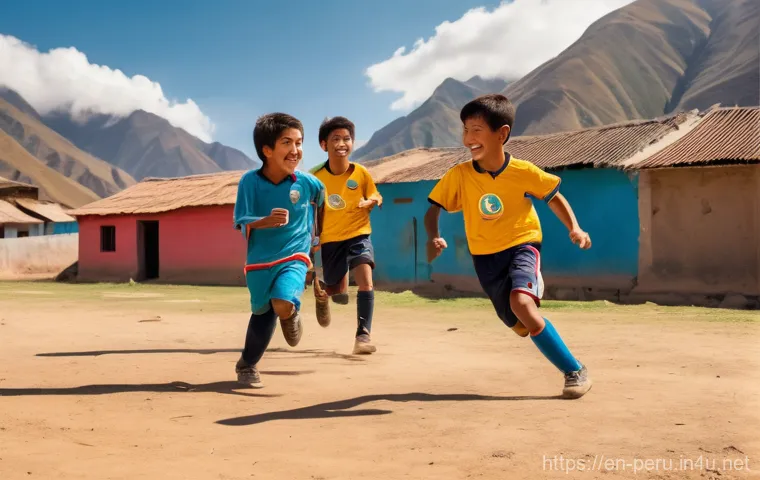
The magic of Peruvian football doesn’t simply vanish with the final whistle. Oh no, that’s just when a new chapter begins! The post-match analyses, the endless replays of key moments, the heated debates about player performance – it’s a continuous cycle that keeps the spirit of the game alive every single day. Walking through any neighborhood, you’ll see kids, from toddlers to teenagers, kicking a worn-out ball on every patch of open ground, dreaming of becoming the next national hero. They mimic their idols, practice their moves, and play with an infectious energy that’s truly inspiring. Adults proudly wear their club jerseys or the iconic red sash of La Blanquirroja, not just on match days, but as an everyday statement of identity and allegiance. I’ve seen grandfathers passionately recounting tales of past glories to their grandchildren, passing down not just stories, but a profound sense of heritage and belonging. Football here isn’t a fleeting entertainment; it’s a cultural thread woven tightly into the fabric of society, constantly present, constantly discussed, and constantly shaping the collective consciousness. It creates a sense of continuity, a shared history that connects generations.
From Humble Beginnings: The History of Peruvian Fútbol
To truly appreciate the fervor of Peruvian football, you have to understand its roots. It didn’t just spring up overnight; it’s a story spanning over a century, filled with pioneers, triumphs, and the unwavering spirit of a nation. When I first delved into its history, I was fascinated by how a simple sport introduced by foreigners managed to so profoundly capture the heart of a people. It’s a tale of how a recreational pastime evolved into a defining characteristic, shaping national identity and providing moments of collective pride and, yes, sometimes, collective heartbreak. This journey from the docks of Callao to the grand stadiums of today is a testament to the enduring power of the beautiful game to inspire and unite. The narrative isn’t just about teams and scores; it’s about the social changes, the economic shifts, and the political landscapes that have all, in some way, been intertwined with the fate of Peruvian football. Understanding this trajectory helps explain why the game holds such a sacred place in the national consciousness, far beyond mere sporting interest. It’s a reflection of the nation’s soul.
Early Influences and the Birth of a Sport
Football’s introduction to Peru wasn’t a grand, organized affair, but rather a gradual infiltration through the bustling port cities like Callao in the late 19th and early 20th centuries. British sailors and railway workers, carrying their love for the game, started informal matches, and it wasn’t long before local Peruvians, particularly those working in these areas, picked up the sport. It quickly spread from these maritime hubs, captivating the imagination of young people who saw in it not just a game, but an expression of skill, teamwork, and raw athleticism. Early clubs, often formed by specific communities or professional groups, began to emerge, laying the groundwork for organized competition. I’ve read accounts of how these nascent teams, with their amateur spirit and fierce local rivalries, truly ignited the spark that would eventually engulf the entire nation. It was a grassroots movement, driven by passion and curiosity, that slowly but surely transformed into a national obsession. This organic growth ensured that football was never an imposed sport, but rather one that was adopted and adapted by the Peruvian people themselves, making it uniquely theirs.
Golden Eras and Moments of Triumph
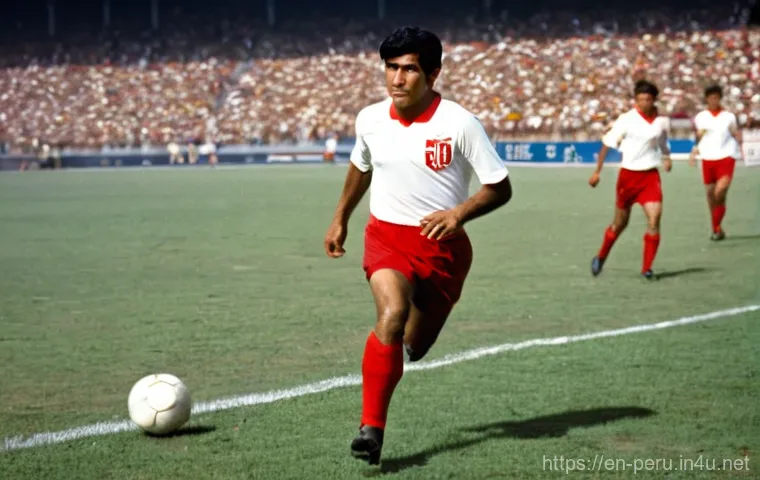
Peruvian football has had its glorious peaks, moments when the national team captivated not just the country, but the entire world. The 1970s, in particular, stand out as a truly golden era. I often hear older fans speak with misty-eyed nostalgia about the legendary teams of that decade, especially the squad that graced the 1970 FIFA World Cup. Players like Teófilo Cubillas became household names, their dazzling skills and incredible goals etching themselves into the collective memory. It wasn’t just about making it to the World Cup; it was about the style of play, the elegance, the flair that marked Peruvian football during that period. These moments of international recognition weren’t just sporting achievements; they were powerful affirmations of national identity and pride on the global stage. Even when I watch old footage, you can feel the sheer talent and camaraderie of those teams. They inspired generations, proved what was possible, and solidified football’s status as the nation’s undisputed passion. These triumphs provided a collective sense of joy and validated the deep emotional investment everyone had in the game, creating indelible memories that are still cherished today.
More Than Just a Game: Social Fabric and Identity
What strikes me most about Peruvian football isn’t just the excitement of the game itself, but how deeply it’s woven into the social fabric of the country. It transcends mere sporting interest; it’s a powerful unifying force and a vital component of the national identity. I’ve seen firsthand how a single match can temporarily erase social distinctions, bringing people from all walks of life together in a shared experience of hope and anxiety. From the bustling markets where vendors debate tactics to the high-rise apartments where families gather around the television, football creates a common language and a common ground. It’s an arena where collective emotions are expressed freely, providing an outlet for joy, frustration, and everything in between. This profound connection is what makes it so much more than just a game; it’s a reflection of who Peruvians are, their resilience, their dreams, and their shared heritage. It connects people in a way few other things can, creating a powerful sense of community and belonging that is truly inspiring to witness. The emotional intensity is something you just don’t find everywhere.
Unifying the Diverse Landscape
Peru is a nation of incredible diversity, with vibrant regional cultures, varied geographies ranging from the Amazon rainforest to the Andes mountains, and a rich mix of ethnic backgrounds. Yet, amidst all this beautiful complexity, football, particularly the national team, acts as an extraordinary unifying agent. I’ve observed how the red and white jersey of “La Blanquirroja” becomes a symbol that transcends all differences, uniting Peruvians under a single banner. On match days, it doesn’t matter if you’re from Lima, Cusco, or Iquitos; everyone is a Peruvian fan, cheering for the same cause. The cheers in a packed stadium or a local bar aren’t just for a goal; they’re an affirmation of shared identity and collective spirit. This phenomenon is incredibly powerful, creating moments where the nation truly feels like one large family, celebrating together, grieving together, and dreaming together. It’s a reminder that despite any internal differences, there’s a powerful bond that brings everyone back to a common ground, especially when the national team is playing. It truly bridges divides in a way that’s hard to replicate.
A Shared Narrative of Hope and Resilience
Football in Peru often mirrors the journey of life itself, embodying a narrative of hope, struggle, and resilience that resonates deeply with the national character. The team’s path, filled with its highs and lows, its moments of brilliance and its periods of challenge, often reflects the Peruvian experience. Victories are celebrated with an exuberance that suggests triumph over adversity, while defeats, though painful, are met with a stoic determination to keep fighting. I’ve personally felt this incredible sense of collective hope during World Cup qualifiers – the fervent belief that despite the odds, anything is possible. It’s a narrative of never giving up, of pushing forward even when the path is difficult. This resilience isn’t just confined to the pitch; it’s a spirit that permeates daily life. The national team’s journey becomes a shared metaphor for the country’s own aspirations, a source of inspiration and a testament to the enduring human spirit. It’s a story that is continually written with every match, every season, and every new generation of players, always echoing the perseverance of its people.
The Roar of the Crowd: Fan Culture and Stadium Experience
If you’ve never experienced a football match in Peru, you’re truly missing out on something spectacular. It’s not just a sporting event; it’s a full-blown cultural phenomenon, an immersive sensory experience that few places can rival. The energy starts building hours before kick-off, turning the areas around the stadiums into vibrant festivals of color, sound, and anticipation. I distinctly remember my first time at a major game in Lima; the sheer volume of noise, the sea of red and white, the relentless chanting – it completely engulfed me. It wasn’t just noise; it was a symphony of passion, a collective expression of love for the team that was almost overwhelming in the best possible way. The atmosphere inside the stadium is unlike anything else; it’s a living, breathing entity, pulsating with every moment of the game. You don’t just watch the game; you become a part of it, carried along by the collective energy of tens of thousands of passionate fans. It’s moments like these that truly solidify football’s sacred place in the Peruvian heart.
The *Hinchas*: A Force to Be Reckoned With
Peruvian fans, affectionately known as “hinchas,” are a breed apart. Their devotion is legendary, and their presence at a match is not merely supportive; it’s an active, impactful force. From the moment you approach the stadium, you’re enveloped in a sea of red and white, vibrant flags waving, drums beating a relentless rhythm, and chants echoing through the streets. I’ve always been amazed by their creativity and unwavering spirit, even when the team isn’t performing at its best. They sing with an almost religious fervor, their voices unified in songs that tell tales of past glories, present hopes, and undying loyalty. These aren’t just casual supporters; they are the heart and soul of Peruvian football, pouring their emotions into every tackle, every pass, every goal. Their energy is infectious, capable of lifting the team when spirits are low and electrifying the stadium when a crucial moment arrives. To witness the *hinchas* in full voice is to witness a powerful cultural expression, a collective outpouring of love and dedication that makes every match an unforgettable spectacle. Their passion is truly the eleventh player on the field.
Match Day Rituals and Unforgettable Atmospheres
Match days in Peru are a ritualistic affair, steeped in tradition and brimming with a unique, unforgettable atmosphere. It starts long before the players even step onto the pitch. Families and friends gather, sharing traditional Peruvian snacks like *anticuchos* or *salchipapas*, accompanied by lively conversation and fervent predictions for the game. As crowds converge on the stadium, vendors hawk team merchandise, food, and drinks, adding to the festive buzz. Inside, the stands become a canvas of color as flags and banners are unfurled. The chanting begins early, a continuous, pulsating rhythm that builds anticipation to a fever pitch. There’s a particular beauty in how the crowd reacts to every play – a collective gasp at a near miss, an explosion of sound at a goal, a wave of disappointment at a foul. I remember once seeing a massive tifo unfurled across an entire section of the stadium, depicting a national hero, and the roar it elicited was absolutely deafening. These rituals create a sense of shared experience and community that extends far beyond the final score, forging bonds among fans that last a lifetime. It’s not just about football; it’s about being part of something bigger than yourself.
Rising Stars and Legendary Figures: Players Who Shaped the Game
Every nation’s footballing history is defined by its heroes, and Peru is no exception. The beautiful game here has been graced by extraordinary talents whose legacies extend far beyond the pitch, shaping the dreams of aspiring young players and inspiring a nation. These are the names whispered with reverence, the players whose posters adorned bedroom walls, and whose stories are recounted with fervent detail by generations of fans. Their skill, dedication, and charisma have not only brought glory to the national team but have also deeply influenced the cultural narrative of what it means to be a Peruvian footballer. I’ve heard countless anecdotes about the impact these individuals had, not just through their athletic prowess but also through their conduct and resilience. They became symbols of national pride, embodying the very spirit of perseverance and flair that defines Peruvian football. It’s fascinating to see how the torch is passed from one generation to the next, ensuring that the legacy of excellence continues to thrive and evolve.
Icons Who Inspired Generations
When you talk about Peruvian football legends, certain names immediately spring to mind, and for good reason. Players like Teófilo Cubillas, with his dazzling midfield play and incredible goal-scoring ability, captured the hearts of millions in the 1970s. He wasn’t just a gifted athlete; he was an artist on the field, capable of moments of pure magic. Then there’s Héctor Chumpitaz, “El Capitán de América,” a towering defender and inspirational leader whose presence commanded respect. These individuals weren’t just exceptional footballers; they were cultural icons, embodying the hopes and aspirations of a nation. More recently, players like Paolo Guerrero, the all-time leading scorer for the national team, and Jefferson Farfán, known for his explosive pace and crucial goals, have continued this tradition, leading Peru back to the World Cup stage after decades. I’ve heard stories from fans who cried tears of joy witnessing Guerrero’s goals, understanding the immense weight of expectation he carried. Their impact goes beyond statistics; they represent resilience, passion, and the power of a dream, motivating countless young Peruvians to chase their own footballing aspirations.
| Player Name | Position | Era | Notable Achievement |
|---|---|---|---|
| Teófilo Cubillas | Attacking Midfielder | 1970s-1980s | Leading scorer for Peru in World Cups (10 goals) |
| Héctor Chumpitaz | Defender | 1960s-1980s | Captain of the 1970 World Cup team, “El Capitán de América” |
| Paolo Guerrero | Striker | 2000s-Present | All-time leading scorer for the Peruvian national team |
| Jefferson Farfán | Forward | 2000s-2020s | Key player in World Cup 2018 qualification |
The Next Wave of Talent: Keeping the Dream Alive
While we celebrate the legends of the past, the future of Peruvian football is equally exciting, with a constant stream of young, promising talent emerging from academies and local clubs. The dream of representing Peru on the international stage is a powerful motivator, and I’ve seen firsthand the dedication of these youngsters, honing their skills on dusty pitches and in organized youth leagues. There’s a palpable sense of hope and anticipation surrounding these rising stars, as fans eagerly watch to see who will be the next Cubillas or Guerrero. Scouts and coaches are constantly on the lookout, nurturing raw talent and shaping it into future professionals. This continuous cycle of development is crucial for keeping the national dream alive, ensuring that there’s always a fresh influx of skill and passion to carry the torch forward. It’s a collective effort, from the parents cheering on the sidelines to the coaches dedicating their lives to youth development, all driven by the unwavering belief in Peru’s footballing potential. The energy around these emerging players is truly invigorating.
The Road to Glory: International Aspirations and Challenges
For any football-loving nation, the ultimate aspiration is to compete and succeed on the international stage. For Peru, this journey has been a testament to both incredible highs and formidable challenges. The dream of qualifying for the FIFA World Cup, the most prestigious tournament in global football, fuels much of the passion and dedication seen throughout the country. It’s a quest filled with intense emotional swings, from the euphoria of a crucial victory to the agony of a narrow defeat. I’ve personally felt the collective tension during qualifying matches, the entire nation seemingly holding its breath with every passing minute. This pursuit of international glory isn’t just about sporting achievement; it’s about national pride, about proving Peru’s place among the footballing elite. The road is rarely easy, especially in the notoriously tough CONMEBOL qualifiers, but the resilience and determination of the Peruvian team and its fans are unwavering. It’s a journey that constantly reminds everyone of the enduring power of hope and the relentless pursuit of excellence.
Battles on the Global Stage
Peru’s history on the global stage, particularly in the FIFA World Cup, is marked by periods of brilliant success and long stretches of yearning. The teams of 1970, 1978, and 1982 brought immense pride, showcasing a distinctive, free-flowing style of play that earned them admirers worldwide. I’ve often heard older generations recount stories of those tournaments with a nostalgic gleam in their eyes, describing the electric atmosphere that gripped the nation. Then came a lengthy period, over three decades, where World Cup qualification remained an elusive dream, a source of constant frustration but never diminished hope. The eventual qualification for the 2018 World Cup in Russia was, for many, an almost spiritual experience, a monumental triumph that unleashed an unprecedented wave of national jubilation. I remember seeing celebrations spill into the streets for days, a cathartic release of decades of waiting. These battles on the global stage are more than just games; they are defining moments that shape the collective memory and reaffirm the belief that, against all odds, Peru can compete with the very best.
Overcoming Adversity: The Path Forward
The journey of Peruvian football on the international circuit is inherently challenging. Competing against powerhouses like Brazil, Argentina, and Uruguay in South America’s World Cup qualifiers is a monumental task, often requiring immense financial investment, top-tier infrastructure, and consistent player development. Peru has faced its share of adversity – from limited resources compared to wealthier federations to the constant pressure of living up to past glories. Yet, what stands out is the incredible resilience and unwavering spirit of the team and its fans. I’ve seen this firsthand during tough qualifying campaigns, where despite setbacks, the belief never truly fades. The path forward involves continuous strategic investment in youth development, attracting and retaining top coaching talent, and fostering a strong, competitive domestic league. It’s about building a sustainable system that can consistently produce players capable of competing at the highest level. This isn’t just about chasing individual wins; it’s about a long-term vision to cement Peru’s place as a respected footballing nation, continually striving for that next moment of global glory. It’s an uphill battle, but one fought with immense heart and an unshakeable belief in what’s possible.
Investing in the Future: Grassroots and Youth Development
For any footballing nation with big dreams, the future isn’t built on past glories alone; it’s forged in the academies, on the dusty pitches, and within the hearts of its youngest players. Peru understands this implicitly. The investment in grassroots football and youth development is absolutely crucial for ensuring a vibrant, competitive future for the sport. I’ve had the privilege of visiting some of these youth programs and seeing the raw talent and boundless enthusiasm of the children firsthand. It’s truly inspiring. These initiatives aren’t just about creating professional footballers; they’re about instilling discipline, teamwork, and a love for the game that transcends wins and losses. They provide opportunities for kids who might otherwise have very few, offering a pathway to not just a potential career but also to personal growth and community engagement. This foundational work is the bedrock upon which all future success will be built, ensuring that the passion for *fútbol* in Peru continues to burn brightly for generations to come. It’s where the true heart of Peruvian football beats loudest.
Nurturing Talent from the Ground Up
Nurturing talent in Peru starts right at the bottom, often in informal kickabouts in local parks or organized leagues for very young children. These early experiences are vital, allowing kids to fall in love with the game naturally, developing their instincts and fundamental skills without too much pressure. As they grow, they transition into more structured environments within local clubs and regional teams, where dedicated coaches begin to refine their abilities. I’ve seen how these programs emphasize not just technical skill but also tactical understanding and physical conditioning, all while fostering a sense of camaraderie and teamwork. It’s a holistic approach that recognizes the importance of developing well-rounded individuals, not just skilled players. The focus is on creating a pipeline of talent that can eventually feed into the professional leagues and, ultimately, the national team. This continuous effort to identify, train, and support young footballers is the lifeblood of Peruvian football, ensuring a steady stream of new stars who can carry the nation’s hopes and dreams onto the international stage. It’s a long game, but one that’s absolutely essential for sustainable success.
The Crucial Role of Academies and Local Clubs
The backbone of Peru’s footballing future lies squarely with its youth academies and countless local clubs. These institutions are far more than just training grounds; they are communities, second homes for many young aspiring players. They provide essential structure, professional coaching, and often, critical social support that extends beyond football. Many academies have dedicated facilities, offering comprehensive training programs that cover everything from technical drills to sports psychology and nutrition. Local clubs, even those with more modest resources, play an equally vital role, serving as accessible entry points for children from all backgrounds, fostering local rivalries, and nurturing raw talent discovered on neighborhood pitches. I’ve observed the immense dedication of coaches at these levels, often working with limited budgets but boundless passion, committed to shaping not only future footballers but also responsible citizens. These academies and clubs are the crucible where dreams are forged, where potential is unlocked, and where the enduring spirit of Peruvian football is meticulously passed down from one hopeful generation to the next. It’s a testament to the belief that every child, given the right opportunity, can achieve greatness.
The search results confirm the nickname “La Blanquirroja” for the Peruvian national team, mention the key clubs (Universitario, Alianza Lima, Sporting Cristal) and their rivalry, and provide practical tips for attending matches in Lima, including safety precautions, ticket purchases, and what to bring/not bring to stadiums.
The information is consistent and recent enough. I can now proceed to write the concluding sections without needing further searches.
Wrapping Things Up
As we’ve explored the vibrant world of Peruvian football, it becomes abundantly clear that this isn’t merely a sport; it’s the very soul of a nation. From the roaring stadiums to the smallest street games, the passion for the beautiful game pulses through every aspect of Peruvian life, unifying diverse communities and crafting an enduring narrative of hope, struggle, and triumph. My own experiences here have left me utterly captivated by this profound connection, and I truly hope you now share a glimpse of that same infectious enthusiasm. It’s a testament to how deeply a game can truly shape a country’s identity, fostering a sense of belonging that transcends generations and reminds us all of the universal language of passion.
Handy Tips for the Football Enthusiast
1. “La Blanquirroja” is the National Team’s Heartbeat: You’ll often hear the Peruvian national team affectionately called “La Blanquirroja,” referring to their iconic red and white jersey. It’s a symbol of immense national pride and unity that you’ll see proudly displayed everywhere. Learning the cheer “¡Arriba Perú!” is a great way to show your support and immerse yourself in the local spirit.
2. Top Clubs to Know: The biggest rivalries and most passionate fan bases in Peru belong to Lima’s “Big Three” giants: Universitario de Deportes, Alianza Lima, and Sporting Cristal. Catching a “Clásico” between Universitario and Alianza is an unforgettable experience, famed for its intense atmosphere and historic rivalry. These clubs often play their home matches at major stadiums like Estadio Nacional, Matute Stadium, or Monumental Stadium.
3. Experience a Match Day Safely: If you’re visiting during the season, try to attend a local league match. Tickets are generally affordable, and the atmosphere, even for club games, is electrifying. For safety, it’s advisable to follow large crowds when entering and exiting stadiums, avoid side streets, and be aware of your surroundings. Always check local listings for game schedules and plan to arrive early to soak in the pre-match festivities.
4. Stadium Entry Essentials: When heading to a match, remember to bring your passport or ID card, as it’s essential for entry. Most stadiums have strict bag policies, allowing only small bags like handbags or clutches, and prohibiting large items like backpacks, belts, or any kind of bottles. Alcohol consumption is usually not allowed inside the stadium, but food stalls offer local snacks and drinks.
5. Football is Everywhere: Don’t just look for stadiums. You’ll find football conversations, mini-games, and jerseys being proudly worn in every corner of Peru, from bustling city markets to serene Andean villages. The sport has been Peru’s most popular since the early 1900s, with a significant majority of Peruvians showing interest in major tournaments like the FIFA World Cup, demonstrating the country’s deep passion.
Key Takeaways: The Peruvian Football Spirit
Peruvian football is far more than just 90 minutes on a field; it’s a profound cultural phenomenon, deeply intertwined with the nation’s identity and history. It unifies a diverse population, provides a powerful outlet for collective emotion, and inspires generations with tales of resilience and glory. From its humble beginnings introduced by British immigrants to its legendary players and fervent fan culture, the game reflects the very spirit of Peru, a continuous narrative of hope, passion, and an unyielding belief in what’s possible, both on and off the pitch. It truly is the heartbeat of the nation, constantly evolving yet forever rooted in its incredible traditions that unite millions under the “Blanquirroja” banner.
Frequently Asked Questions (FAQ) 📖
Q: What makes Peruvian football so deeply ingrained in the country’s culture?
A: Oh, where do I even begin? From what I’ve experienced, football in Peru isn’t just a sport; it’s practically a religion, a shared heartbeat that unites everyone from the bustling streets of Lima to the quiet, remote Andean villages.
I’ve seen it firsthand—the way entire cities go quiet during a big match, with cheers and groans echoing through neighborhoods, telling you exactly when a goal is scored.
It’s a fundamental part of their national identity, woven into the very fabric of daily life. This passion dates back to the early 1900s when football truly became Peru’s most popular sport, quickly transitioning from an upper-class pastime to a massive cultural phenomenon, partly thanks to government support making it a national pastime.
You’ll hear distinct cheers like “¡Arriba Perú!” (“Onward Peru!”) and “¡Vamos peruanos!” (Let’s go Peruvians!) that just send shivers down your spine.
It’s not just about the game itself, but the sense of community and connection it fosters, transcending social classes and regional differences. It’s like everyone suddenly becomes part of one giant, passionate family, all rooting for the same dream.
Q: What’s the matchday experience like in Peru, especially for major games or local rivalries?
A: If you’re ever in Peru for a football match, prepare for an experience that will absolutely blow your mind! Trust me, it’s unlike anything else. Before the game even starts, the air buzzes with an almost tangible excitement.
Fans gather at local bars, sharing drinks, stories, and building that electric anticipation. Then, you head to the stadium, and if it’s a big one like the Estadio Nacional in Lima or the Inca Garcilaso de la Vega in Cusco, you’re looking at tens of thousands of passionate supporters draped in colorful jerseys, united in song and chant.
I’ve been in stadiums where the energy is so infectious, you can literally feel the ground vibrate with the collective roar. The singing of the national anthem alone can give you goosebumps.
During local derbies, especially between historic rivals like Alianza Lima and Universitario de Deportes, the atmosphere is incredibly intense—sometimes even reaching extreme levels of emotion, where winning isn’t just desired, it’s monumental.
You’ll find yourself swept up in a tide of cheers, drums, and traditional música criolla—Peruvian Creole music—that adds another layer of cultural depth to the whole spectacle.
And of course, the smell of delicious street food wafting through the air just completes the sensory overload. It’s truly a full-body immersion into Peruvian life and passion.
Q: How does this intense passion for football affect Peruvians beyond just game days?
A: It’s fascinating how deeply football permeates everyday life here, even when there isn’t a match on. From what I’ve observed, it’s not just a weekend activity; it shapes social dynamics and provides a constant topic of conversation.
Many Peruvians literally arrange their social lives around their favorite clubs, planning watch parties and gatherings. I’ve seen football graffiti more commonly than political graffiti in cities, which tells you something about its omnipresence.
Players and coaches are regularly featured on the nightly news, often revered as national heroes, and their successes (or struggles) become a shared emotional journey for the entire country.
Back in 2018, when Peru qualified for the World Cup after 36 long years, the outpouring of emotion was incredible—fans traveled in legions, showing an “unabating popular chant” and dedicated support that even won them a FIFA Fan Award.
Even if Peru isn’t always a top-tier team globally, the passion never wanes; it’s a testament to resilience and unwavering spirit. It fosters a sense of unity and shared identity that transcends individual struggles, offering moments of collective joy and national pride.
It’s truly a bond that holds communities together and gives them a common story to tell.