Have you ever walked down a street and felt like the very walls were whispering stories to you? That’s exactly how I felt diving into the incredible world of Peruvian street art!
Forget everything you thought you knew about urban canvases, because Peru’s vibrant murals aren’t just pretty pictures; they’re living, breathing narratives that reflect centuries of rich culture, deep-seated traditions, and powerful social commentary.
It’s an art form that truly ignites your soul, showcasing the resilience and creativity of the Peruvian spirit. From the bohemian streets of Lima’s Barranco district, where every corner unveils a new masterpiece constantly evolving and renewing itself, to the recently revitalized historic port of Callao, where art is literally transforming communities and sparking vital conversations, Peru offers an unparalleled open-air gallery experience.
Artists like the renowned Elliot Tupac with his signature ‘chicha’ style and the imaginative Jade Rivera, whose works often depict children and dreams, are turning public spaces into dynamic stages.
This fascinating scene is a blend of ancient Inca influences, modern political expressions, and an explosion of color, with new trends constantly emerging as street art festivals like MOSPERU continue to decentralize and celebrate urban creativity across the nation’s diverse regions.
These aren’t just murals; they’re powerful statements, continually changing and adapting, reflecting current social dialogues and future aspirations. If you’re keen to understand how art shapes cities and expresses a nation’s soul, you’re in for a treat.
Let’s dive deep into this captivating street art scene and uncover all its amazing secrets!
The Echoes of Ancient Civilizations: Where Tradition Meets Modern Expression
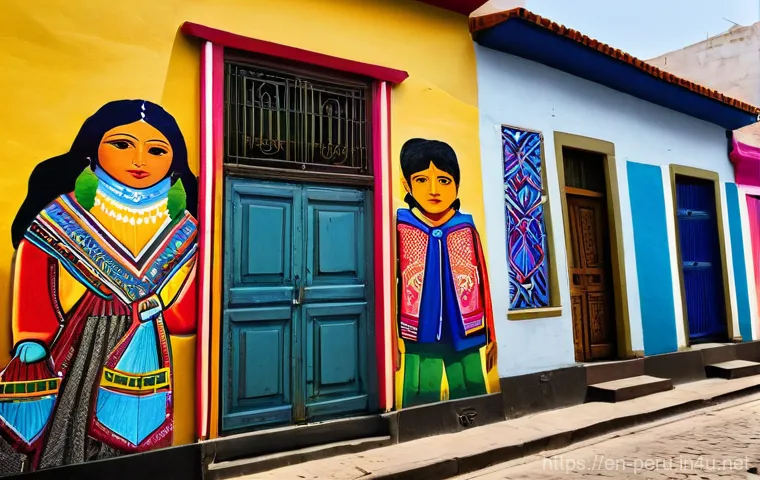
You know, walking through some of Peru’s art-laden streets, I often feel like I’m stepping into a living history book. It’s truly fascinating how artists here don’t just paint pretty pictures; they weave stories that stretch back through centuries, deeply rooted in the incredible tapestry of Inca and pre-Inca cultures.
You’ll see ancient symbols, mythical creatures, and vibrant geometric patterns that would feel right at home on an ancient textile, yet they’re splashed across a modern concrete wall.
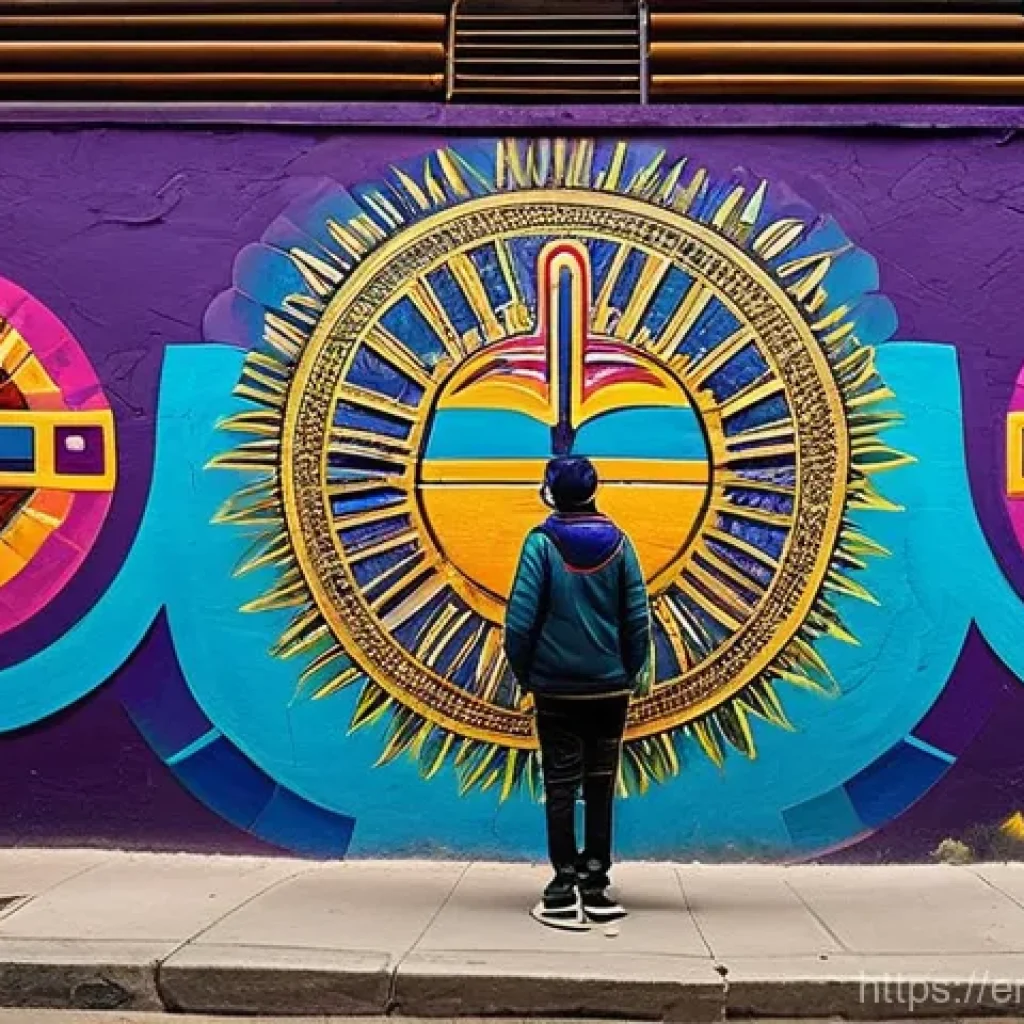
It’s a powerful connection to the past, reminding everyone who sees it of Peru’s incredible heritage. I remember seeing a mural in Cusco, near the San Blas neighborhood, that depicted the Inti, the sun god, with such a contemporary twist, yet undeniably respecting its ancient origins.
It gave me goosebumps! It’s this blending of old and new that makes Peruvian street art so unique and emotionally resonant. These aren’t just decorative elements; they’re profound statements about identity and continuity.
Reinterpreting Indigenous Iconography
It’s not just about replicating old designs; it’s about reinterpreting them, giving them new life and meaning in a modern context. Artists here are incredibly skilled at taking symbols that might have adorned ancient temples or ceremonial pottery and integrating them into dynamic, thought-provoking pieces.
Think of the chakana, the Andean cross, appearing in a futuristic, almost psychedelic mural in Barranco. It makes you pause and really think about the enduring power of these symbols.
They become a dialogue between generations, a silent conversation between the ancestors and the youth, all playing out on the city walls. This respectful yet innovative approach truly sets Peruvian street art apart.
Narratives of Resilience and Identity
More than just aesthetics, these murals often tell stories of resilience. Peru’s history, with its colonial past and ongoing struggles, is rich with tales of resistance and the preservation of cultural identity.
Street artists brilliantly capture this spirit, using their canvases to celebrate indigenous languages, customs, and heroes. It’s a powerful way to ensure that these narratives aren’t forgotten, that the voices of the past continue to speak loudly and proudly in the present.
I’ve seen murals dedicated to specific indigenous communities, beautifully illustrating their daily lives, their struggles, and their triumphs. It’s incredibly moving and makes you feel more connected to the heart of the country.
Lima’s Living Galleries: Where Every Wall Tells a Story
If you’re anything like me, you’ll be absolutely captivated by Lima’s street art scene. It’s truly an open-air gallery that’s constantly evolving, especially in neighborhoods like Barranco and Callao.
Barranco, with its bohemian vibe, feels like every corner holds a new surprise, a fresh burst of color, or a profound statement waiting to be discovered.
I love just wandering aimlessly there, letting the art guide me. One minute you’re admiring a whimsical piece, and the next you’re confronted with something deeply thought-provoking about society.
And Callao? That’s a whole different experience. It’s incredible to witness how art has literally transformed a historic, once-neglected port area into a vibrant, artistic hub, drawing people in and sparking a real sense of community pride.
It’s proof that art isn’t just decoration; it’s a powerful agent for change, breathing new life into forgotten spaces.
Barranco’s Bohemian Rhapsody of Murals
Barranco is, without a doubt, my absolute favorite spot for street art in Lima. It’s got this incredible energy where artists feel free to experiment, creating pieces that range from intricate, detailed portraits to large-scale, abstract explosions of color.
What I find particularly fascinating is how the murals here seem to have a conversation with the old colonial architecture, creating a beautiful juxtaposition of past and present.
You’ll often find pieces that reflect the local culture, perhaps a musician or a dancer, alongside more universal themes of love, hope, or protest. It’s a dynamic, ever-changing landscape, which means every visit offers something new to discover.
Callao Monumental: Art as Urban Renewal
Then there’s Callao Monumental, which is a true testament to the transformative power of street art. What was once a rougher part of the city has been revitalized through an ambitious art project, turning crumbling walls into breathtaking canvases.
It’s not just about aesthetics; it’s about social impact. The art has brought life back to the streets, attracting tourists and locals alike, and fostering a sense of community pride that was perhaps dormant before.
Seeing kids play near these magnificent murals, their faces reflecting wonder, really drives home the positive change art can bring. It’s a powerful example of how creativity can spark economic and social uplift.
Meet the Maestros: The Visionaries Behind the Paint
Behind every breathtaking mural, there’s a vision, a hand, and a story. Peru boasts an incredible roster of street artists who are not just skilled painters but also insightful storytellers, social commentators, and cultural custodians.
Their work ranges from the globally recognized to the local heroes who continuously enrich their neighborhoods with their creativity. It’s amazing how many distinct voices you can find, each adding a unique layer to Peru’s urban tapestry.
I’ve had the chance to speak with a few budding artists in Lima, and their passion for their craft and for their country is truly infectious. It’s more than just art for them; it’s a way of communicating, of celebrating, and sometimes, of challenging the status quo.
These artists are the heart and soul of the street art movement, constantly pushing boundaries and inspiring new generations.
Elliot Tupac’s Iconic Chicha Style
When you talk about Peruvian street art, you absolutely *have* to talk about Elliot Tupac. His ‘chicha’ style is instantly recognizable and utterly iconic.
It’s characterized by these vibrant, neon colors, bold typography, and graphic imagery, often drawing inspiration from traditional Peruvian folk art and popular music posters.
His work doesn’t just catch your eye; it grabs you and pulls you into the vibrant energy of Peruvian popular culture. I’ve seen his pieces across Lima and beyond, and they always make me smile.
They embody a certain joy and resilience that’s so characteristic of Peru.
Jade Rivera’s Dreamlike Worlds
Another artist whose work always leaves a lasting impression on me is Jade Rivera. Her murals are incredibly evocative, often featuring children, animals, and dreamlike narratives that transport you to another world.
There’s a beautiful, ethereal quality to her art, a sense of innocence and wonder mixed with a touch of melancholy. She uses a soft, almost pastel palette that makes her pieces stand out from the more aggressive, bold styles you sometimes see.
Her ability to create such intimate and emotional scenes on large public walls is truly remarkable, making you feel a personal connection to her imagined worlds.
A Canvas for Change: Street Art as a Voice for Social Justice
It’s not all just pretty pictures, you know. Peruvian street art often serves as a powerful, unfiltered voice for social commentary and justice. Artists here aren’t afraid to tackle tough issues, using their public platforms to spark conversations about inequality, political corruption, environmental concerns, and indigenous rights.
It’s incredible to see how a mural can ignite a debate, challenge assumptions, or simply make people stop and think about the world around them. I remember a particularly striking piece in central Lima that depicted the devastating effects of deforestation in the Amazon; it was impossible to walk past it without feeling its weight.
These artists become visual journalists, documenting the pulse of their society and advocating for a better future, one wall at a time. Their courage and conviction truly resonate.
Protest and Empowerment on Public Walls
Many murals are direct acts of protest, empowering marginalized communities and giving a voice to the voiceless. They highlight injustices, celebrate resilience, and serve as a rallying cry for change.
These aren’t just art pieces; they’re statements of defiance and hope, painted in public spaces where they can’t be ignored. I’ve witnessed the profound impact a well-placed, powerful mural can have on a neighborhood, bringing people together to discuss the issues it raises and inspiring collective action.
It’s a testament to the fact that art can be a powerful tool for social progress.
Environmental Awareness Through Art
Given Peru’s incredible biodiversity and the threats it faces, it’s no surprise that environmental themes are prominent in its street art. Artists frequently depict the beauty of the Amazon rainforest, the fragility of marine ecosystems, and the urgency of protecting natural resources.
These murals serve as vivid reminders of our responsibility to the planet, using compelling imagery to raise awareness and encourage conservation. They really make you think about your own impact, and I find that incredibly effective.
Decoding the Colors: Understanding Peruvian Street Art Styles
One of the things that consistently blows my mind about Peruvian street art is the sheer diversity of styles and techniques you encounter. It’s not just one uniform look; it’s a vibrant tapestry woven from countless artistic threads, each with its own story and influence.
You’ll see everything from hyper-realistic portraits that make you do a double-take, wondering if it’s a photograph, to abstract explosions of color that challenge your perceptions.
Then there are pieces that incorporate traditional Peruvian textiles or ceramic motifs, giving a nod to the country’s rich artisanal heritage. It’s a visual feast that keeps you constantly engaged and eager to discover what artistic surprise awaits around the next corner.
The artists here truly push the boundaries of urban art.
The Blending of Traditional and Contemporary
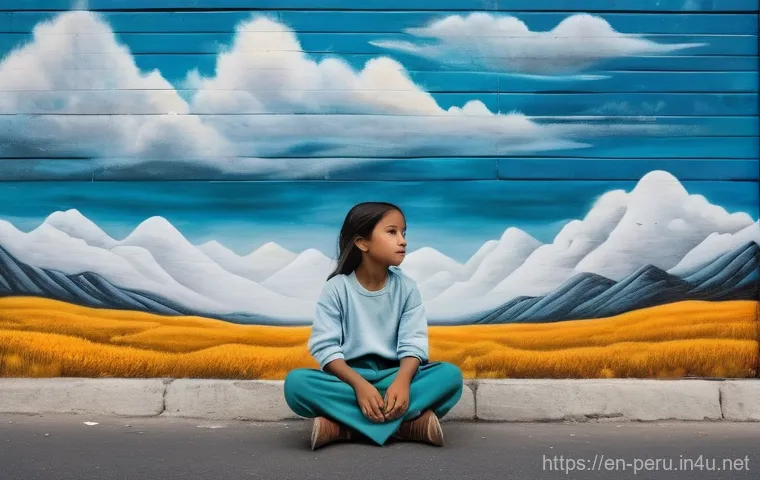
This is where Peruvian street art really shines – in its seamless blending of ancient traditions with modern aesthetics. You might see a contemporary artist using spray paint to create a geometric pattern inspired by Nazca lines, or a digital art influence applied to a depiction of an Andean deity.
This fusion creates a unique visual language that is distinctly Peruvian, yet universally appealing. It’s a dialogue between past and present, a testament to the enduring power of cultural heritage.
It’s a balancing act, respecting the past while boldly stepping into the future, and these artists execute it flawlessly.
Vibrant Palettes and Symbolic Imagery
The colors! Oh, the colors! Peruvian street art is often a riot of vibrant hues – fiery reds, electric blues, sunshine yellows, and deep purples that just pop against the urban landscape.
These aren’t just random choices; often, the colors themselves carry symbolic meaning, drawing from indigenous cultures where specific shades represented different aspects of nature, spirituality, or emotion.
Coupled with a rich array of symbolic imagery, from native flora and fauna to mythical beings and everyday objects, these murals become intricate puzzles waiting to be decoded.
Every element feels deliberate and meaningful, inviting you to look closer and delve deeper into its story.
Planning Your Art Pilgrimage: Tips for Exploring Peru’s Urban Canvases
If you’re anything like me, you’re probably already itching to book a flight to Peru just to experience this incredible street art firsthand. But before you go, a little planning can make your art pilgrimage even more rewarding.
Trust me, I’ve learned a few things the hard way! While just wandering is fantastic, knowing a few hotspots and how to navigate them can elevate your experience.
Safety is always key, so being aware of your surroundings, especially with your camera out, is important. And don’t forget to look beyond the main tourist zones; some of the most authentic and powerful pieces are found in less-traveled neighborhoods, revealing the true heart of the local art scene.
Navigating Lima’s Art Districts
For Lima, Barranco is a must-see, and it’s very walkable. I’d recommend spending at least half a day there, just strolling, stopping for a coffee, and letting the art speak to you.
Callao Monumental is another gem, but it’s a bit further out. I usually take a taxi or a ride-sharing service to get there and back. Once you’re in Callao Monumental, it’s quite pedestrian-friendly.
Don’t be afraid to duck into some of the galleries that have popped up there; they often feature works by the artists who paint the walls outside. Also, keep an eye out for smaller, less-known pieces in areas like Miraflores and Surquillo.
Essential Street Art Spots in Peru
While Lima is a major hub, don’t overlook other cities. Cusco, the ancient Inca capital, has a growing street art scene, particularly around the San Blas neighborhood, where artists often incorporate traditional Andean motifs.
Arequipa also has some fantastic murals, often reflecting its unique volcanic stone architecture.
| City/District | Key Street Art Vibe | Must-See Features |
|---|---|---|
| Barranco, Lima | Bohemian, Eclectic, Ever-changing | Puente de los Suspiros area, Bajada de Baños, countless side streets |
| Callao Monumental | Urban Renewal, Community-focused, Large-scale | Casa Fugaz, restored colonial buildings, vibrant port art |
| San Blas, Cusco | Andean, Spiritual, Cultural Fusion | Traditional Inca symbols, modern interpretations, narrow cobblestone streets |
| Arequipa | Historical, Expressive, Local narratives | Murals on sillar (volcanic rock) walls, social commentary |
Tips for the Responsible Art Enthusiast
When you’re out and about, especially with your camera, always be respectful of the artists’ work and the local community. Ask for permission if you want to photograph people near the art, and try to support local businesses in the areas you visit.
Remember that street art is for everyone, and preserving it means appreciating it responsibly. Sometimes, the best way to enjoy it is to simply put your phone away for a bit and just soak in the atmosphere.
And seriously, wear comfortable shoes; you’ll be doing a lot of walking!
The Ever-Evolving Scene: What’s Next for Peruvian Street Art?
If there’s one thing I’ve learned about Peruvian street art, it’s that it’s anything but static. This isn’t a scene that rests on its laurels; it’s constantly pushing forward, innovating, and responding to the world around it.
I’ve seen new artists emerge with incredibly fresh perspectives, experimenting with digital tools or entirely new mediums, even incorporating augmented reality into their works.
There’s a palpable sense of excitement and growth, especially with festivals like MOSPERU continuing to expand their reach, bringing urban art to even more diverse regions across the country.
It feels like the golden age of Peruvian street art is still very much in full swing, and honestly, I can’t wait to see what incredible creations will grace the walls next.
Emerging Artists and New Techniques
It’s genuinely thrilling to witness the rise of new talent in the Peruvian street art scene. These younger artists are not only bringing fresh ideas but also experimenting with cutting-edge techniques.
We’re seeing more use of projection mapping, stencil art combined with freehand, and even interactive murals that engage viewers in new ways. They’re fearless in their approach, blending traditional spray paint with digital art influences, creating truly unique and captivating pieces.
This constant influx of new blood ensures that the scene remains vibrant and relevant, always offering something novel and exciting to discover.
The Decentralization of Urban Art
What’s truly exciting is how street art is moving beyond just Lima. While the capital still boasts an incredible array, festivals and independent artists are increasingly taking their talents to other cities and even smaller towns.
This decentralization means that the art is becoming more accessible to diverse communities, and in turn, these local contexts are influencing the art itself.
It fosters a richer, more varied tapestry of urban art across the nation, allowing for more unique voices and regional styles to emerge. It’s creating a truly nationwide movement that’s inspiring and connecting people from all walks of life.
Wrapping Things Up
You know, looking back at all the incredible art we’ve explored, it truly hits home just how much soul and history is poured onto the walls of Peru. It’s not just paint; it’s a living, breathing narrative that connects generations, celebrates identity, and even sparks vital conversations about our world today.
My trips there have never failed to surprise and inspire me, and I honestly believe that experiencing this vibrant street art firsthand is an absolute must for anyone seeking a deeper connection to Peru’s rich cultural tapestry.
It leaves you with so much more than just beautiful photos; it leaves you with a profound sense of wonder and understanding.
Useful Information to Know
1. Best Time to Visit: The dry season, roughly from May to October, offers the most pleasant weather for exploring Lima’s and Cusco’s outdoor art scenes. Fewer rainy days mean more comfortable walking and clearer skies for photography.
2. Safety First: While generally safe in tourist-heavy art districts like Barranco and Callao Monumental, it’s always wise to be aware of your surroundings. Keep valuables secure and consider visiting Callao with a local guide, especially if it’s your first time.
3. Respect the Art and Artists: Remember that many murals are deeply personal or carry significant social messages. Appreciate them respectfully, and if you’re photographing artists at work, always ask for their permission first. A little courtesy goes a long way!
4. Beyond Lima: Don’t limit your art hunt to the capital! Cities like Cusco and Arequipa are developing their own unique street art identities, blending ancient motifs with contemporary styles. A little research can uncover hidden gems.
5. Comfortable Footwear is Key: You’ll be doing a lot of walking, climbing hills, and navigating cobblestone streets. Trust me, your feet will thank you for wearing comfy shoes that can handle the exploration!
Key Takeaways
Peruvian street art is an exceptionally dynamic and meaningful form of expression, deeply rooted in cultural heritage yet constantly evolving. It acts as a powerful voice for social justice, environmental awareness, and the celebration of indigenous identity, transforming urban spaces into vibrant, open-air galleries.
The blend of traditional iconography with modern techniques creates a unique visual language, making every encounter with these murals a truly unforgettable experience.
Frequently Asked Questions (FAQ) 📖
Q: Where can I find the most vibrant and historically significant street art spots in Peru, especially for a first-timer?
A: Oh, if you’re looking to dive headfirst into the Peruvian street art scene, you absolutely must start with Lima’s Barranco district! I mean, I’ve wandered through countless artistic neighborhoods globally, but Barranco?
It’s something else entirely. It feels like the entire district is a giant, evolving canvas, bursting with over 200 vibrant works. Every cobblestone street, every hidden alleyway around places like the famous Bridge of Sighs and 28 de Julio Street, just screams creativity.
You’ll stumble upon masterpieces that blend social commentary with cultural heritage, and trust me, it’s an experience that constantly renews itself. But don’t stop there!
Another place that truly captivated me is Monumental Callao, just a short ride from central Lima. This historic port, once known for a very different kind of notoriety, has been utterly transformed by art initiatives like the “Callao Monumental Project.” It’s incredible to witness how urban art has literally breathed new life into the community, turning run-down streets into a dazzling open-air gallery.
You’ll find a fantastic mix of local and international talent here, with murals telling powerful stories that resonate deeply. When I was there, I felt like the art wasn’t just on the walls; it was in the very air, inspiring hope and change.
For those venturing beyond Lima, Cusco also offers a rich street art experience, particularly with pieces that often nod to Andean and Inca traditions, which is a beautiful contrast to Lima’s more contemporary expressions.
Each location has its own unique flavor, so I always encourage exploring them all if you can!
Q: What makes Peruvian street art so unique, and who are some key artists I should know about?
A: What really makes Peruvian street art stand out, in my humble opinion, is its incredible blend of ancient heritage and modern-day narratives. It’s not just about aesthetics; it’s a powerful visual language that speaks volumes about spirituality, dreams, equality, and the ongoing struggles and resilience of the Peruvian people.
You’ll see everything from magical realism with Peruvian elements to geometric abstractions inspired by ancestral cultures, and even urban graffiti laced with poignant social messages.
It’s a conversation between the past and the present, reflecting a national soul that’s both deeply rooted and constantly evolving. When it comes to the artists leading this charge, two names immediately spring to mind: Elliot Tupac and Jade Rivera.
Elliot Tupac is a legend, known for his distinctive ‘chicha’ style. Imagine huge, vibrant, colorful typographic murals that borrow from traditional Peruvian signage – that’s his signature!
His work often carries uplifting messages and is deeply connected to the popular culture that emerged from Andean migrants in big cities like Lima, particularly the “chicha” music scene of the 80s.
I recall seeing one of his pieces and feeling an instant surge of energy – it’s impossible not to! Then there’s Jade Rivera, whose art has a wonderfully emotive quality.
His murals frequently depict children, dreams, and a profound connection to nature and Latin identity, often with surreal, mystical elements. He’s a self-taught artist whose curiosity for art began at a young age, and his work now graces walls not just in Peru, but around the world.
In Barranco, you can even visit his museum, which offers a deeper look into his incredible artistic journey. These artists, along with others like Entes, Pesimo, and Daniel Cortez (Decertor), are truly turning public spaces into dynamic stages, making Peru a must-visit for any urban art enthusiast.
Q: How is street art actually making a difference in Peruvian communities beyond just being beautiful to look at?
A: This is probably the most exciting aspect for me! Peruvian street art goes far beyond mere decoration; it’s a powerful catalyst for social change and community revitalization.
In places like Monumental Callao, initiatives have proven that art can dramatically reduce crime rates and uplift entire neighborhoods. It provides a legitimate outlet for self-expression, offering young people an alternative to a life of crime and violence.
Local artists, and even children, are actively involved in these projects, fostering a sense of pride and ownership in their surroundings. It’s also a fantastic economic driver.
These vibrant murals attract tourists and even foreign investors, which in turn sparks business growth and creates opportunities in local communities.
I’ve seen firsthand how a once-neglected area can transform into a bustling hub of culture, with art workshops and social events flourishing. While there’s always a delicate balance to strike to avoid gentrification issues, the positive impact on community morale and economic well-being is undeniable.
Moreover, street art acts as a vital platform for marginalized voices, allowing indigenous communities and activists to tell their stories, raise awareness about social and political issues, and celebrate their cultural identity.
It builds connections between diverse regions and helps preserve cultural memory. Festivals like MOSPERU, which celebrate urban art across the coast, highlands, and jungle, really highlight this power of art to unite a nation and promote integration.
It’s not just pretty pictures; it’s a tool for empowerment, dialogue, and ultimately, a brighter future. Every time I see a new mural, I’m reminded of the incredible potential art has to transform lives and cities.