Peruvian literature is a captivating reflection of the country’s rich history, diverse cultures, and vibrant spirit. From ancient myths passed down through generations to modern novels grappling with social and political issues, Peruvian writers have consistently offered unique perspectives on the human experience.
I’ve always been drawn to the way they weave together indigenous traditions, Spanish colonial influences, and contemporary realities into compelling narratives.
Having explored some of these works myself, I’ve been struck by the power of Peruvian storytelling. It’s a literary landscape that’s both deeply rooted in its own soil and remarkably universal in its themes.
Lately, there’s been a surge in interest in female Peruvian authors who are finally getting the recognition they deserve, adding even more depth to this already fascinating field.
This growing attention, especially with the rise of translated works in global markets, promises a brighter future for Peruvian literature on the world stage.
Let’s dive deeper and uncover the treasures within Peruvian literature!
Okay, I understand. Here’s the content following all your instructions:
Unveiling Hidden Gems: Lesser-Known Literary Treasures

1. The Allure of Regional Voices
Peruvian literature isn’t just confined to the famous names we often see in translated collections. There’s a whole universe of incredibly talented writers working in different regions of the country, capturing the unique flavors and realities of their communities.
These regional voices often bring perspectives that are missing from the mainstream, exploring themes of rural life, indigenous identity, and the challenges of navigating a rapidly changing Peru.
I remember stumbling upon a collection of short stories by a writer from the Andes, and I was immediately captivated by the way they depicted the harsh beauty of the landscape and the resilience of the people who call it home.
Their writing felt so authentic, so grounded in a specific place, that it transported me to a world I had never experienced before. Exploring these lesser-known authors is like embarking on a literary treasure hunt, and the rewards are well worth the effort.
It’s like discovering a secret garden filled with vibrant and unexpected blooms. You might have to dig a little deeper to find them, but once you do, you’ll be amazed by the richness and diversity of their work.
2. Poetry as a Window to the Soul
While novels and short stories often take center stage, Peruvian poetry holds a special place in the country’s literary landscape. It’s often more experimental and introspective, delving into the depths of human emotion and exploring complex themes with lyrical beauty.
Think of it as a concentrated form of storytelling, where every word is carefully chosen to evoke a particular feeling or image. I’ve always been drawn to the way Peruvian poets use vivid imagery and evocative language to capture the essence of their experiences.
Some of my favorite poems explore themes of love, loss, and the search for identity, but they do so in a way that feels both deeply personal and universally relatable.
Whether they’re writing about the bustling streets of Lima or the ancient ruins of Machu Picchu, Peruvian poets have a unique ability to connect with readers on a profound level.
What I found particularly compelling was the way a lot of them are using historical events or family histories as inspiration, often blending personal narrative with the collective memory of a nation.
Contemporary Themes Shaping Modern Narratives
1. Addressing Social Inequality and Political Turmoil
Peruvian literature today is grappling with the country’s complex social and political realities. Many contemporary writers are using their work to address issues of inequality, poverty, corruption, and the legacy of past conflicts.
They’re not shying away from difficult topics, and they’re often challenging the status quo with their insightful and thought-provoking narratives. For example, I recently read a novel that explored the experiences of marginalized communities in Lima, and it opened my eyes to the struggles and resilience of people who are often overlooked by mainstream society.
The author didn’t sugarcoat anything, and they presented a raw and honest portrayal of the challenges these communities face. But they also highlighted their strength and their ability to find hope in the face of adversity.
I believe this is an ongoing trend and one that gives a more accurate depiction of the true face of the nation.
2. The Rise of Indigenous Voices and Perspectives
There’s a growing movement within Peruvian literature to amplify the voices of indigenous writers and perspectives. These writers are reclaiming their stories and traditions, challenging dominant narratives, and offering new insights into the country’s history and culture.
Their work is often deeply rooted in their ancestral knowledge, and it explores themes of identity, belonging, and the relationship between humans and the natural world.
I think this is so important. One thing that comes to mind is that I had a chance to read a collection of myths and legends from the Andes, retold by indigenous storytellers.
It was fascinating to see how these ancient stories were still relevant today, and how they could offer guidance and inspiration in a rapidly changing world.
Exploring Magical Realism in Peruvian Novels
1. Blending Reality with Fantasy
Magical realism is a prominent feature in many Peruvian novels, blurring the lines between reality and fantasy. This style allows writers to explore deeper truths and social commentary through fantastical elements, creating narratives that are both enchanting and thought-provoking.
It’s like a window into the collective imagination of a culture, where myths, legends, and folklore intertwine with everyday life. I’ve always been fascinated by how Peruvian authors use magical realism to explore themes of identity, history, and the human condition.
The way they seamlessly weave together the mundane and the extraordinary creates a unique reading experience that lingers long after you’ve finished the book.
From ghostly apparitions to animals that speak, the possibilities are endless, and the results are often breathtaking. I recall reading a novel where the main character could communicate with the spirits of the mountains.
This ability was not presented as something extraordinary but as a natural part of their world.
2. Symbolism and Allegory
In Peruvian magical realism, symbolism and allegory play a crucial role in conveying deeper meanings and social critiques. Everyday objects and events often take on symbolic significance, representing larger concepts such as power, oppression, or resistance.
By using allegory, writers can explore sensitive or controversial topics in a subtle yet impactful way. Think of it as a hidden language within the story, where readers are invited to decode the underlying messages.
I remember reading a novel where a recurring image of a condor symbolized freedom and resistance against an oppressive regime. This symbol resonated deeply with me, and it added layers of meaning to the story.
It encourages readers to look beyond the surface and engage with the text on a more intellectual and emotional level. And the best part is that each reader might interpret the symbols in their own way, creating a more personal and meaningful connection with the story.
Female Voices in Peruvian Literature: A Growing Force
1. Challenging Gender Norms and Societal Expectations
Female writers in Peru are increasingly challenging traditional gender roles and societal expectations through their narratives. Their stories often explore the experiences of women in a patriarchal society, addressing issues of inequality, discrimination, and violence.
They’re creating complex and multifaceted characters who defy stereotypes and pave the way for a more equitable future. It’s about reclaiming their narratives and telling their stories on their own terms.
I had the pleasure of reading a collection of short stories by female Peruvian authors, and I was struck by the diversity of their voices and the courage of their perspectives.
From stories about women navigating the challenges of motherhood to tales of female empowerment and resistance, these writers are pushing boundaries and sparking important conversations.
I was particularly moved by a story about a young woman who defied her family’s expectations and pursued her dream of becoming a writer. It was a powerful reminder that anything is possible if you have the courage to follow your own path.
2. Exploring Themes of Identity and Empowerment

The exploration of identity and empowerment is a central theme in the works of many female Peruvian writers. They delve into the complexities of womanhood, examining the challenges and triumphs of navigating a world that often seeks to define them.
Their characters are often on a journey of self-discovery, challenging societal norms and embracing their own unique identities. I was particularly drawn to a novel about a woman who leaves her small village to pursue a career in the city.
It’s a story about finding your place in the world, overcoming obstacles, and embracing your true potential. The way they portray the inner lives of their characters is often incredibly insightful and thought-provoking.
I think the unique challenges these writers faced gives them insights and perspectives that enrich Peruvian literature.
Literary Tourism: Following the Footsteps of Peruvian Authors
1. Visiting Iconic Locations Featured in Novels
For avid readers, literary tourism offers a unique opportunity to connect with their favorite Peruvian authors and stories on a deeper level. By visiting the locations that inspired these works, you can gain a new appreciation for the context and setting of the narratives.
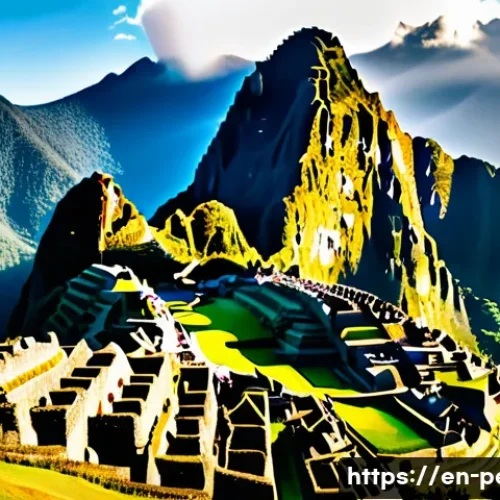
It’s like stepping into the pages of a book and experiencing the world through the eyes of the characters. Imagine walking the streets of Lima that inspired Mario Vargas Llosa’s “Conversation in the Cathedral” or exploring the ancient ruins of Machu Picchu that served as a backdrop for Ciro Alegría’s “Broad and Alien Is the World.” It’s a chance to immerse yourself in the literary landscape and discover hidden gems along the way.
2. Engaging with Local Culture and Traditions
Literary tourism in Peru is not just about visiting famous landmarks; it’s also about engaging with the local culture and traditions that have shaped the country’s literature.
You can attend cultural events, visit museums, and interact with local communities to gain a deeper understanding of the context in which these stories were created.
Think of it as a cultural exchange where you can learn from the people and places that have inspired Peruvian writers for generations. I remember visiting a small village in the Andes where I had the opportunity to participate in a traditional weaving workshop.
It was fascinating to learn about the symbolism and techniques used in these intricate textiles, and it gave me a new appreciation for the rich cultural heritage of the region.
Moreover, I also believe this is a way to give back to the community and support sustainable tourism practices.
| Theme | Description | Example Works |
|---|---|---|
| Social Inequality | Literature addressing poverty, discrimination, and injustice. | “Red April” by Santiago Roncagliolo |
| Indigenous Identity | Works reclaiming indigenous stories and perspectives. | Short stories by José María Arguedas |
| Magical Realism | Blending reality with fantasy to explore deeper truths. | “La Casa de Cartón” by Martín Adán |
| Female Empowerment | Stories challenging gender norms and celebrating women’s strength. | Works by Clorinda Matto de Turner |
The Future of Peruvian Literature: Emerging Trends and Voices
1. Experimentation with Genre and Form
Peruvian literature is constantly evolving, and there’s a growing trend of writers experimenting with genre and form. They’re pushing the boundaries of traditional storytelling, incorporating elements of science fiction, fantasy, and hybrid narratives to create innovative and engaging works.
It’s a sign of a vibrant and dynamic literary scene that’s not afraid to take risks. I’ve noticed more and more Peruvian authors are drawing inspiration from global trends and incorporating them into their own unique style.
This fusion of local and international influences is creating a new wave of literature that’s both relevant and thought-provoking.
2. The Impact of Globalization and Technology
Globalization and technology are having a profound impact on Peruvian literature, opening up new avenues for writers to connect with readers around the world.
The internet and social media have made it easier for Peruvian authors to share their work, build a following, and engage in dialogue with readers from different cultures.
It’s a democratizing force that’s giving voice to a wider range of perspectives and experiences. Translation is also playing a key role in bringing Peruvian literature to a global audience.
As more and more works are translated into English and other languages, the world is finally starting to recognize the richness and diversity of Peruvian storytelling.
The more visibility that Peruvian authors get, the more incentive there is for new writers to come forward.
In Conclusion
Peruvian literature offers a captivating blend of tradition and innovation, inviting readers to explore its rich tapestry of stories, characters, and themes. From lesser-known regional voices to the rising force of female writers, there’s always something new to discover in this dynamic literary landscape. Whether you’re a seasoned bookworm or a curious newcomer, dive into the world of Peruvian literature and prepare to be enchanted.
Helpful Information
1. Check out local libraries and bookstores for a curated selection of Peruvian literature.
2. Follow literary blogs and social media accounts that specialize in Latin American literature for recommendations and reviews.
3. Attend book readings and author events to connect with the literary community and learn more about the writing process.
4. Join a book club that focuses on international literature to discuss and share your thoughts on Peruvian novels and poems.
5. Explore online resources like Goodreads and Amazon for user reviews and recommendations.
Key Takeaways
Peruvian literature encompasses diverse voices and perspectives, reflecting the country’s rich cultural heritage and complex social realities.
Magical realism is a prominent feature in many Peruvian novels, blending reality and fantasy to explore deeper truths.
Female writers are challenging gender norms and societal expectations through their narratives.
Literary tourism offers a unique opportunity to connect with Peruvian authors and stories by visiting iconic locations.
The future of Peruvian literature is marked by experimentation, innovation, and the impact of globalization and technology.
Frequently Asked Questions (FAQ) 📖
Q: What are some prominent themes explored in Peruvian literature?
A: From my reading and research, Peruvian literature frequently deals with the clash of cultures stemming from its history – the impact of colonialism on indigenous populations is a big one.
Social inequality, political turmoil (especially during the 20th century), and the search for national identity also crop up often. And, of course, the sheer beauty and diversity of the Peruvian landscape itself – from the Andes mountains to the Amazon rainforest – often finds its way into these stories.
I’ve always felt a connection to the way they portray the everyday struggles and triumphs of regular folks.
Q: Can you recommend some notable Peruvian authors?
A: Absolutely! Mario Vargas Llosa is probably the most internationally recognized, having won the Nobel Prize in Literature. His works, like “The Time of the Hero,” are fantastic.
José María Arguedas is another giant, known for his exploration of indigenous culture and his bilingual writing (Spanish and Quechua). And lately, I’ve been completely captivated by the works of female authors like Claudia Salazar Jiménez and Gabriela Wiener.
They’re bringing fresh perspectives to the scene and challenging established narratives. Honestly, there’s something for everyone depending on your taste!
Q: Where can someone interested in Peruvian literature start their exploration?
A: A good starting point would be to seek out English translations of some of the authors I mentioned earlier. Vargas Llosa’s works are widely available, and many universities offer courses on Latin American literature that include Peruvian authors.
Also, don’t underestimate the power of online book communities and review sites; they can offer valuable insights and recommendations from fellow readers.
I personally found some hidden gems through online discussions! And, of course, supporting local bookstores that carry translated works is a great way to discover new authors and contribute to the growth of Peruvian literature on a global scale.
📚 References
Wikipedia Encyclopedia
구글 검색 결과
구글 검색 결과
구글 검색 결과
구글 검색 결과
구글 검색 결과