
Peru is a treasure trove of ancient history, boasting some of the most iconic archaeological sites in the world. Protecting these cultural gems is not just about preserving stone and artifacts; it’s about safeguarding the stories and heritage of past civilizations for future generations.
With increasing tourism and urban development, the challenge of conserving these sites has become more urgent than ever. Peru’s heritage protection laws play a crucial role in balancing preservation with progress.
Understanding how these regulations work helps us appreciate the delicate care involved in maintaining such irreplaceable landmarks. Let’s dive deeper into how Peru protects its rich archaeological legacy and why it matters so much today.
We’ll explore the details in the following sections to give you a clear picture!
Legal Frameworks Shaping Archaeological Site Preservation
National Laws Governing Cultural Heritage
Peru’s commitment to preserving its archaeological sites is anchored in comprehensive national legislation that defines cultural heritage protection as a priority.
The General Law of Cultural Heritage, enacted in the early 2000s, serves as the backbone for safeguarding ancient ruins and artifacts. This law stipulates strict regulations on excavation, restoration, and site management, ensuring that any activity around these historic locations is closely monitored by authorized institutions.
It mandates collaboration between government bodies, local communities, and experts to balance preservation with sustainable tourism and urban development.
Role of the Ministry of Culture and Regional Authorities
The Ministry of Culture plays a pivotal role in implementing and enforcing heritage laws, overseeing permits for archaeological work, and coordinating conservation efforts nationwide.
It also supports regional authorities who handle site-specific regulations, enabling tailored approaches depending on local contexts. For example, some regions with high tourist traffic have additional guidelines to manage visitor impact, while more remote areas focus on preventing looting and illegal excavations.
This decentralized yet coordinated system enhances responsiveness and effectiveness in protecting Peru’s cultural treasures.
International Conventions and Peru’s Commitments
Beyond national laws, Peru is a signatory to several international treaties aimed at protecting cultural heritage, including UNESCO conventions. These agreements encourage Peru to adhere to global standards in preservation, foster international cooperation, and promote cultural tourism responsibly.
Being part of these frameworks also helps Peru access funding and expertise for restoration projects. This global dimension reinforces the country’s internal efforts and highlights the universal value of its archaeological sites.
Challenges in Balancing Tourism and Conservation
Managing Visitor Impact on Fragile Sites
Tourism is a double-edged sword for Peru’s archaeological sites. While it generates significant revenue and global awareness, the sheer volume of visitors can accelerate wear and tear.
Sites like Machu Picchu face erosion, structural strain, and environmental degradation due to foot traffic and overcrowding. To address this, authorities have implemented visitor caps, timed entry tickets, and designated pathways to minimize damage.
Personally, visiting these sites made me appreciate how carefully these measures are crafted—not only to protect but also to maintain a high-quality visitor experience.
Urban Expansion Threats and Protective Measures
Rapid urban development near archaeological zones poses another major threat. Construction projects, road expansions, and unregulated settlements risk disturbing undiscovered remains and altering the landscape.
Peru’s laws require environmental and cultural impact assessments before approving any development near protected areas. However, enforcement can be uneven, especially in less monitored regions.
Community involvement and advocacy groups are increasingly crucial in reporting violations and pushing for stricter controls.
Community Involvement and Sustainable Tourism
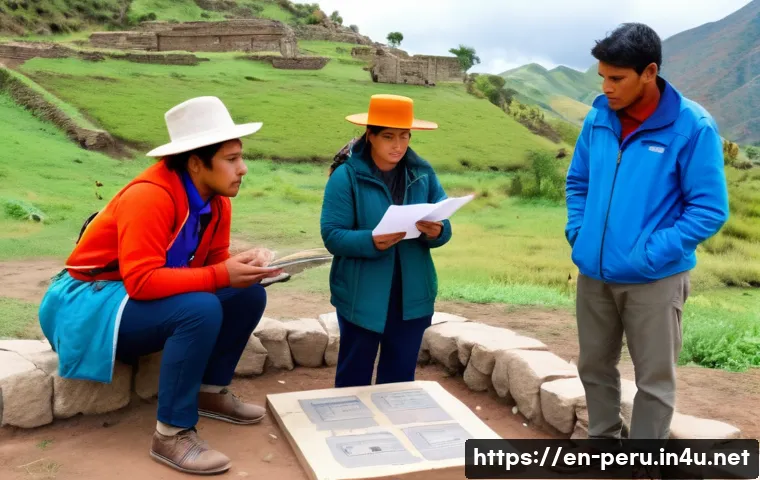
Engaging local communities in preservation efforts has proven essential for sustainable site management. Indigenous and local populations often hold traditional knowledge and a deep connection to these places, making them vital partners in conservation.
Programs that train locals as guides, site custodians, and educators help foster stewardship and provide economic benefits that reduce incentives for harmful activities.
From firsthand conversations with community members, their pride and commitment to protecting heritage are palpable and inspiring.
Technological Advances in Heritage Protection
Remote Sensing and Digital Mapping
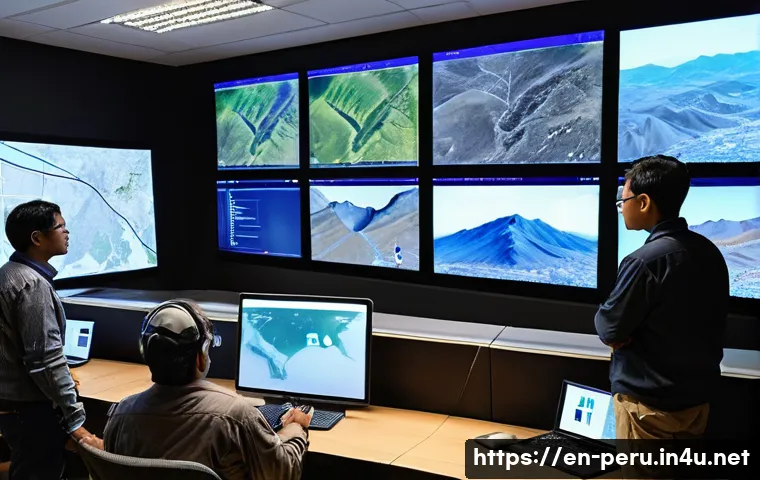
Modern technology has revolutionized how Peru monitors and protects its archaeological assets. Satellite imagery, drones, and LiDAR scanning enable detailed mapping of sites, even those hidden beneath dense vegetation or difficult terrain.
These tools assist archaeologists in identifying new locations, tracking changes over time, and detecting unauthorized activities. I found it fascinating how these technologies allow preservation teams to act proactively rather than reactively, catching threats early before they cause irreversible damage.
Virtual Reality and Public Engagement
Virtual reality (VR) and augmented reality (AR) are increasingly used to enhance visitor education and reduce physical strain on sites. By offering immersive digital tours, tourists can explore fragile areas virtually, reducing foot traffic and wear.
These technologies also make cultural heritage accessible to global audiences who cannot travel, broadening awareness and appreciation. Experiencing VR reconstructions of ancient Peruvian cities gave me a new perspective on how technology can bridge past and present.
Data Management and Collaborative Platforms
Effective heritage management relies on robust data collection and sharing systems. Peru has invested in digital platforms that centralize archaeological records, site conditions, and conservation projects.
This facilitates collaboration among researchers, government agencies, and local stakeholders, ensuring decisions are informed by the latest information.
Such transparency and coordination are crucial in managing complex sites with overlapping interests and challenges.
Enforcement and Penalties for Heritage Violations
Legal Consequences for Unauthorized Excavations
Peruvian law imposes significant penalties for illegal digging, artifact trafficking, and destruction of archaeological sites. These sanctions include hefty fines, imprisonment, and confiscation of illicit finds.
Despite this, illicit activities persist, driven by black market demand and economic hardship in some regions. Effective enforcement requires vigilant monitoring, swift legal action, and community cooperation to deter offenders.
From what I’ve observed, increasing public awareness about the consequences has helped reduce some of these activities.
Monitoring and Surveillance Strategies
To protect vulnerable sites, authorities employ a combination of physical patrols, technological surveillance, and local informant networks. In high-risk zones, dedicated guards and surveillance cameras provide real-time oversight.
Drones also assist in covering large or inaccessible areas. These efforts have improved detection rates of suspicious behavior, although resource limitations remain a challenge.
Continuous investment in surveillance infrastructure is critical to maintain protection standards.
Restoration and Rehabilitation Requirements
When damage occurs, laws mandate prompt restoration using scientifically sound methods. Restoration projects must be approved by cultural authorities and conducted by qualified professionals to avoid further harm.
This approach respects the authenticity and integrity of sites, preventing inappropriate reconstructions. My visits to restored ruins showed the impressive balance between maintaining historical accuracy and ensuring structural stability, reflecting the high standards Peru upholds.
Educational and Community Outreach Initiatives
Heritage Education Programs in Schools
Raising awareness among younger generations is a cornerstone of Peru’s heritage protection strategy. Schools integrate cultural heritage topics into their curricula, fostering appreciation and responsibility from an early age.
Field trips to archaeological sites, workshops with experts, and interactive activities help students connect with their history. I’ve witnessed how these programs spark enthusiasm and pride, empowering youth to become advocates for preservation.
Public Campaigns and Cultural Events
Nationwide campaigns and events celebrate Peru’s rich archaeological heritage, engaging the public through exhibitions, festivals, and media outreach.
These initiatives highlight the importance of conservation and invite community participation. For example, annual heritage days offer free site access and guided tours, encouraging people to experience and respect their cultural legacy firsthand.
Such events build a shared sense of ownership and pride that strengthens protection efforts.
Collaboration with International Experts and Organizations
Peru actively partners with global institutions, universities, and NGOs to enhance research, training, and preservation techniques. These collaborations bring cutting-edge knowledge and resources, benefiting local professionals and communities.
Workshops and joint projects foster capacity-building and innovation, ensuring Peru remains at the forefront of archaeological conservation. From my conversations with experts involved, this international exchange is invaluable for sustaining long-term heritage protection.
Key Elements of Peru’s Heritage Protection System
| Aspect | Description | Impact |
|---|---|---|
| National Legislation | Comprehensive laws regulating excavation, restoration, and management | Provides legal foundation for preservation and penalties for violations |
| Government Agencies | Ministry of Culture and regional authorities oversee enforcement and permits | Ensures coordinated and localized site protection |
| Community Involvement | Engagement of local populations in conservation and tourism roles | Promotes sustainable preservation and economic benefits |
| Technology Integration | Use of drones, remote sensing, VR, and data platforms | Enhances monitoring, education, and informed decision-making |
| Enforcement Mechanisms | Surveillance, patrols, legal penalties for unauthorized activities | Deters damage and illegal exploitation of sites |
| Educational Outreach | School programs, public campaigns, international partnerships | Builds long-term awareness and global cooperation |
Future Directions and Innovations in Site Preservation
Integrating Artificial Intelligence for Predictive Protection
Emerging AI technologies hold promise for anticipating threats to archaeological sites by analyzing patterns of environmental change, human activity, and historical data.
This predictive capability could allow authorities to deploy resources more effectively and prevent damage before it occurs. While still in early stages, pilot projects in Peru are exploring AI to enhance site surveillance and risk assessment, signaling a new frontier in heritage conservation.
Expanding Community-Led Conservation Models
The future of Peru’s archaeological preservation increasingly emphasizes empowering local communities as primary custodians. Expanding training programs and funding community-driven projects can deepen engagement and improve site stewardship.
This approach not only protects heritage but also supports cultural identity and economic resilience. My experiences suggest that when locals lead conservation efforts, the results are more sustainable and culturally sensitive.
Enhancing Sustainable Tourism Practices
Balancing visitor access with conservation will remain a critical challenge. Innovations such as eco-friendly infrastructure, virtual tourism alternatives, and dynamic visitor management plans are being developed to minimize environmental impact.
Peru’s ongoing commitment to sustainability aims to preserve archaeological sites while sharing their wonders with the world. Witnessing these efforts firsthand, it’s clear that thoughtful tourism policies are essential to keeping Peru’s ancient legacy alive for generations to come.
글을 마치며
Peru’s dedication to preserving its archaeological heritage demonstrates a thoughtful blend of legal frameworks, community involvement, and innovative technologies. These efforts not only protect invaluable cultural sites but also foster sustainable tourism and local empowerment. As challenges continue to evolve, Peru’s adaptive strategies offer a promising path forward for safeguarding its ancient treasures for future generations.
알아두면 쓸모 있는 정보
1. Peru’s General Law of Cultural Heritage mandates strict regulations on excavation and restoration to protect archaeological sites effectively.
2. The Ministry of Culture works closely with regional authorities to tailor preservation efforts based on local needs and threats.
3. Technological tools like drones and LiDAR scanning enable early detection of site disturbances and support proactive conservation.
4. Community-led programs that involve local residents as guides and custodians help balance preservation with economic benefits.
5. International collaborations and educational campaigns play a crucial role in raising awareness and advancing heritage protection.
핵심 내용 요약
Peru’s archaeological site preservation relies on a robust legal foundation combined with decentralized governance and active community participation. Advanced technologies and international partnerships enhance monitoring and education, while strict enforcement and restoration protocols ensure site integrity. Sustainable tourism and expanding local stewardship remain key to balancing heritage conservation with economic development. This integrated approach positions Peru as a leader in protecting cultural heritage amid modern challenges.
Frequently Asked Questions (FAQ) 📖
Q: What are the main laws protecting archaeological sites in Peru?
A: Peru has several key laws aimed at preserving its archaeological heritage, with the most important being the General Law of Cultural Heritage of the Nation.
This law prohibits unauthorized excavation, export, or damage to cultural assets. Additionally, the Ministry of Culture oversees site protection, ensuring any restoration or tourism development respects the integrity of the landmarks.
From my experience, these regulations help maintain a careful balance between allowing visitors and protecting the sites from deterioration or illegal activities.
Q: How does tourism impact the preservation of Peru’s archaeological sites?
A: Tourism is a double-edged sword for Peru’s ancient sites. On one hand, it brings much-needed funding and global awareness that support conservation efforts.
On the other, large crowds and infrastructure development can cause physical wear and even threaten the sites’ authenticity. For example, at Machu Picchu, visitor limits and strict pathways have been implemented to reduce damage.
Having visited several sites myself, I’ve noticed that responsible tourism, supported by legal frameworks, is crucial to keeping these treasures intact for future generations.
Q: What role do local communities play in protecting Peru’s cultural heritage?
A: Local communities are vital guardians of Peru’s archaeological heritage. Many indigenous groups hold traditional knowledge and spiritual connections to these sites, which helps guide respectful preservation practices.
Laws encourage involving locals in site management, education, and tourism activities, creating economic opportunities while fostering a sense of stewardship.
From what I’ve seen during my travels, when communities feel ownership and pride in their heritage, the protection efforts become more effective and sustainable.